标签: Africa

非洲

  • Ujitsu becomes the digital backbone powering the global Jiu-Jitsu community through one unified platform

    Ujitsu becomes the digital backbone powering the global Jiu-Jitsu community through one unified platform

    A technological revolution is underway in the global martial arts community with the official launch of Ujitsu, the world’s first comprehensive digital ecosystem specifically designed for jiu-jitsu practitioners. Originating in the United Arab Emirates, where jiu-jitsu holds status as the national sport, this innovative platform addresses a critical gap in the martial arts world: the absence of unified digital infrastructure for its rapidly expanding global community.

    The application represents a significant advancement in sports technology, offering living digital profiles that allow athletes to document their entire jiu-jitsu journey. The platform features global academy mapping, intelligent event discovery systems, and specialized tools supporting coaches and training facilities of all sizes. With an estimated 20 million practitioners worldwide across more than 100 countries, Ujitsu arrives as a timely solution for a sport experiencing exponential growth.

    What sets Ujitsu apart is its sophisticated integration of artificial intelligence across multiple training dimensions. The platform features Coach AI for technical development, Nutrition AI for dietary planning, and Body AI for physical conditioning and recovery guidance. These AI-driven tools provide personalized recommendations that support a balanced and sustainable approach to training, reflecting jiu-jitsu’s core principles of mental discipline and technique over brute strength.

    The platform’s social connectivity features enable practitioners to locate training partners locally or while traveling through its Find and Invite Sparring Partners function. This encourages real-world collaboration and maintains training continuity regardless of geographical location.

    Ujitsu has garnered support from elite ambassadors who embody the discipline’s values, including multiple-time IBJJF World Champion João Miyao, recognized for his technical innovation, and young phenom Daniel ‘220v’, a four-time Abu Dhabi World Pro Champion. These athletes represent the platform’s commitment to authenticity and community-driven development.

    Beyond individual training benefits, Ujitsu serves as a bridge between athletes and commercial opportunities, enabling sports brands to identify trusted ambassadors and create sponsorship pathways that strengthen the global jiu-jitsu ecosystem.

    As the platform expands into European and American markets, its development remains guided by ongoing dialogue with practitioners, coaches, and academy owners worldwide. Ujitsu represents not merely another fitness application but long-term digital infrastructure designed to support the sustainable growth of jiu-jitsu as both sport and lifestyle for generations to come.
  • Ethiopian Orthodox Christians celebrate Epiphany to mark baptism of Jesus

    Ethiopian Orthodox Christians celebrate Epiphany to mark baptism of Jesus

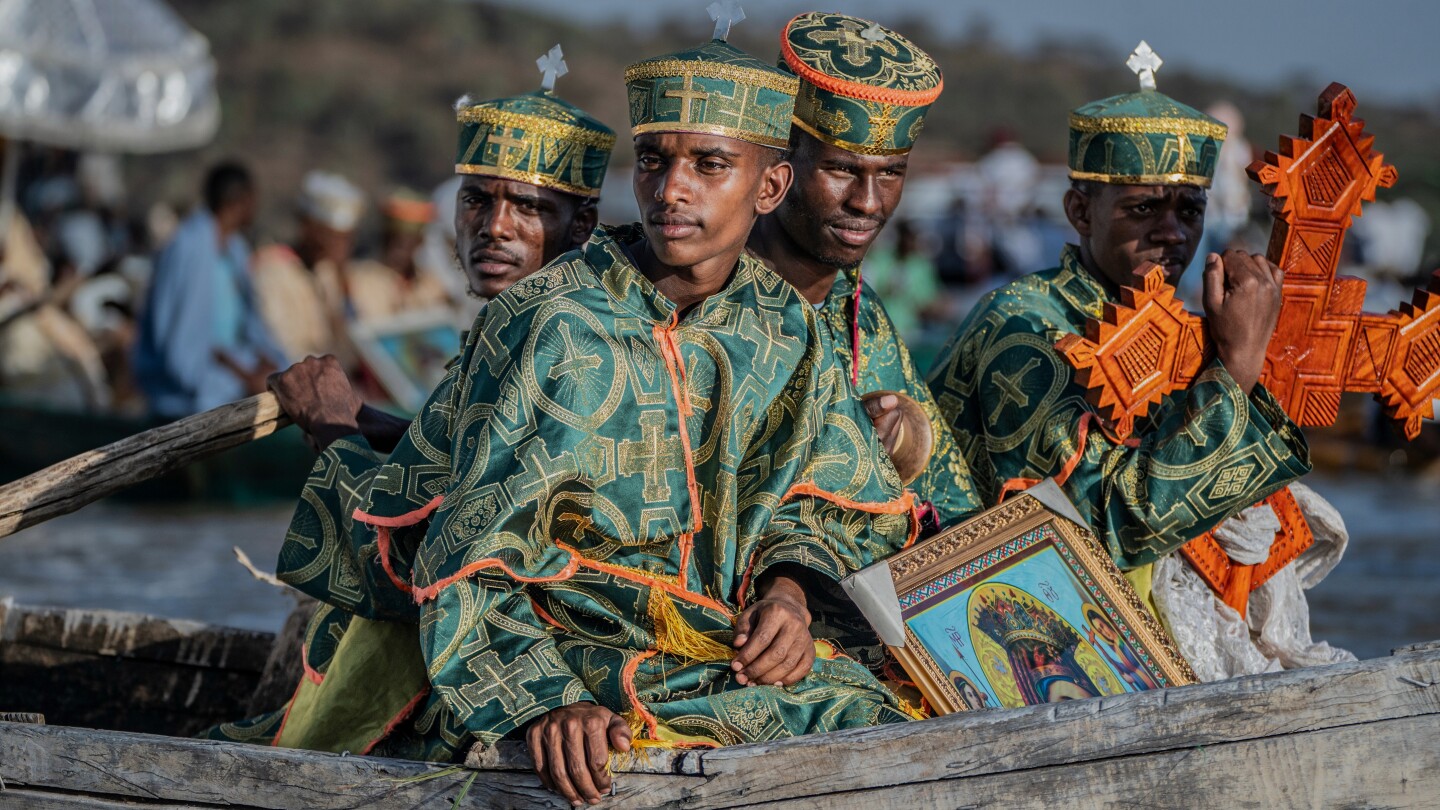
    Across Ethiopia on Monday, millions of Orthodox Christians participated in vibrant Timkat celebrations, the Ethiopian Epiphany commemorating Jesus Christ’s baptism in the Jordan River. The festival, recognized by UNESCO as an Intangible Cultural Heritage of Humanity in 2019, represents one of the nation’s most significant religious observances alongside Easter and Christmas.

    In the lakeside town of Batu, Oromia Region, thousands of pilgrims immersed themselves in the blessed waters of Lake Dambal following ceremonial blessings by priests. This ritual reenactment of baptism symbolized spiritual purification and renewal for participants. Meanwhile, in the capital Addis Ababa, massive crowds gathered to witness the ceremonial procession of tabots—sacred replicas of the Ark of the Covenant—which were transported to public spaces for overnight prayers before returning to their home churches amid hymns and chanting.

    The celebrations extended to the historic Fasilides Fortress in Gondar, located within the conflict-affected Amhara region, demonstrating the festival’s enduring significance despite regional instability. Participants expressed profound spiritual fulfillment, with Addis Ababa resident Bereket Adugna noting, ‘We are celebrating the baptism of Jesus Christ, and our hearts are filled with joy.’

    Deacon Asnake Dechasa emphasized the festival’s communal aspect, stating, ‘For us Ethiopians, Epiphany is an opportunity to share what we have with those who need our help.’ This sentiment emerges against a backdrop of escalating tensions with neighboring Eritrea and worsening famine conditions, with humanitarian organizations reporting millions of Ethiopians requiring emergency food assistance amid declining international support.

  • South African team helps search for politician swept away by Mozambique floodwaters

    South African team helps search for politician swept away by Mozambique floodwaters

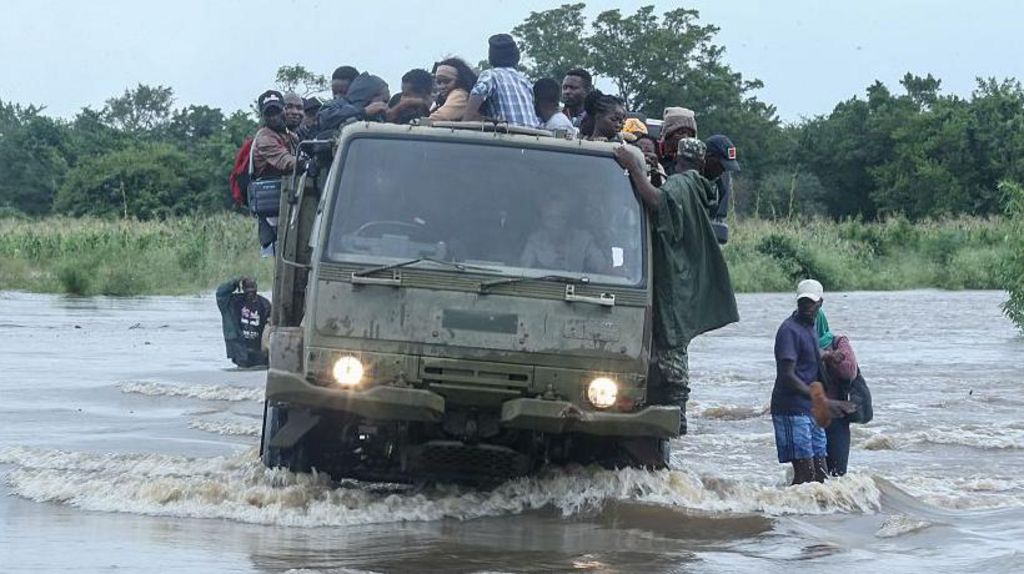
    A severe flooding catastrophe in Mozambique has triggered a cross-border humanitarian response, with South Africa deploying emergency resources to its neighboring nation. The crisis intensified when Andile Mngwevu, an Ekurhuleni municipal councillor, was swept away by raging floodwaters during an official visit to Gaza Province. While Mngwevu has been successfully accounted for, four accompanying individuals remain missing, their status unconfirmed according to municipal authorities.

    The devastating floods have forced Mozambican President Daniel Chapo to cancel his scheduled appearance at the World Economic Forum in Davos, underscoring the severity of the situation. South African President Cyril Ramaphosa confirmed the deployment of two helicopters for multi-day rescue operations in Mozambique, stating they would remain until conditions stabilize.

    The human toll continues to mount with reports indicating over 100 fatalities and significant infrastructure damage following weeks of relentless flooding. Meteorological forecasts predict further precipitation across central and northern regions as the country enters its annual cyclone season, exacerbating an already critical situation. The ongoing rainy season threatens to compound existing challenges, creating a complex emergency scenario requiring sustained international attention and support.

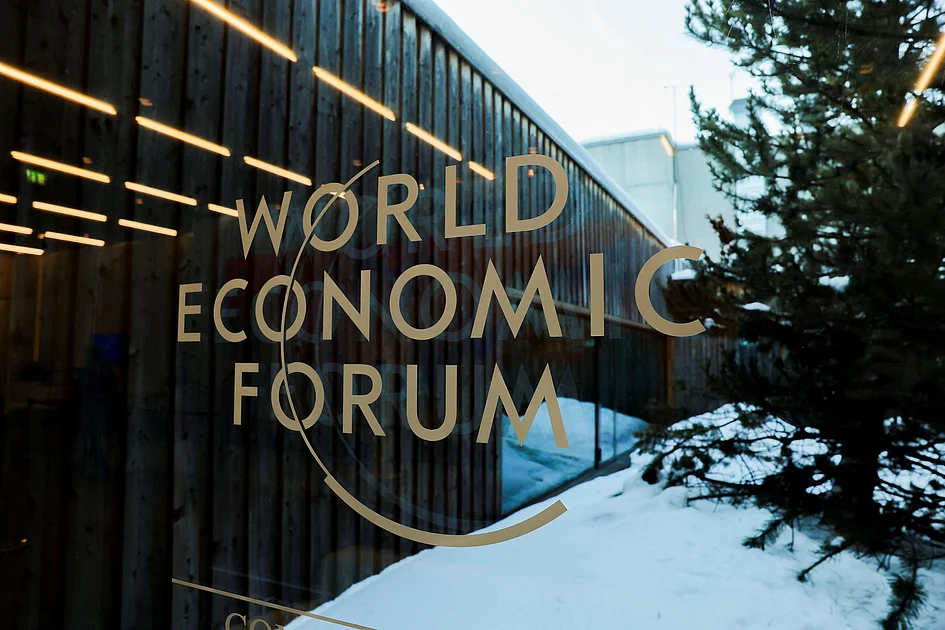
  • World Economic Forum: UAE sends over 100 ministers, private sector leaders to Davos

    World Economic Forum: UAE sends over 100 ministers, private sector leaders to Davos

    The United Arab Emirates has mobilized one of its largest-ever delegations to the 56th Annual Meeting of the World Economic Forum in Davos, Switzerland, demonstrating its growing influence on the global stage. Under the leadership of Sheikha Latifa bint Mohammed bin Rashid Al Maktoum, Chairperson of Dubai Culture and Arts Authority, the delegation comprises over 100 ministers, senior government officials, and prominent private sector executives.

    This substantial presence, ranking as the fifth largest national delegation at the forum, underscores the UAE’s strategic commitment to shaping international discourse across critical sectors. The delegation’s participation aligns with the forum’s 2026 theme, ‘Spirit of Dialogue,’ which resonates with the UAE’s diplomatic approach to international relations and multilateral cooperation.

    The UAE Pavilion, maintaining its ‘Impossible is Impossible’ theme for the fourth consecutive year, serves as a dynamic showcase of the nation’s economic diversity and innovation capabilities. The pavilion program emphasizes the UAE’s pioneering role in energy transition, sustainability initiatives, and climate finance while balancing economic growth and energy security requirements.

    Throughout the forum, UAE representatives are engaging in high-level discussions on artificial intelligence governance, digital transformation, global trade frameworks, and economic governance models. The delegation is also contributing significantly to humanitarian dialogues, addressing pressing global challenges including food security, water scarcity, and public health systems.

    Mohammad bin Abdullah Al Gergawi, Minister of Cabinet Affairs, emphasized that the delegation’s composition reflects the UAE’s focused priorities on future-oriented sectors and enhanced public-private collaboration. The pavilion hosts an extensive schedule of sessions, bilateral meetings, and media engagements featuring government officials, business leaders, and international experts, providing platforms for knowledge exchange and partnership development.

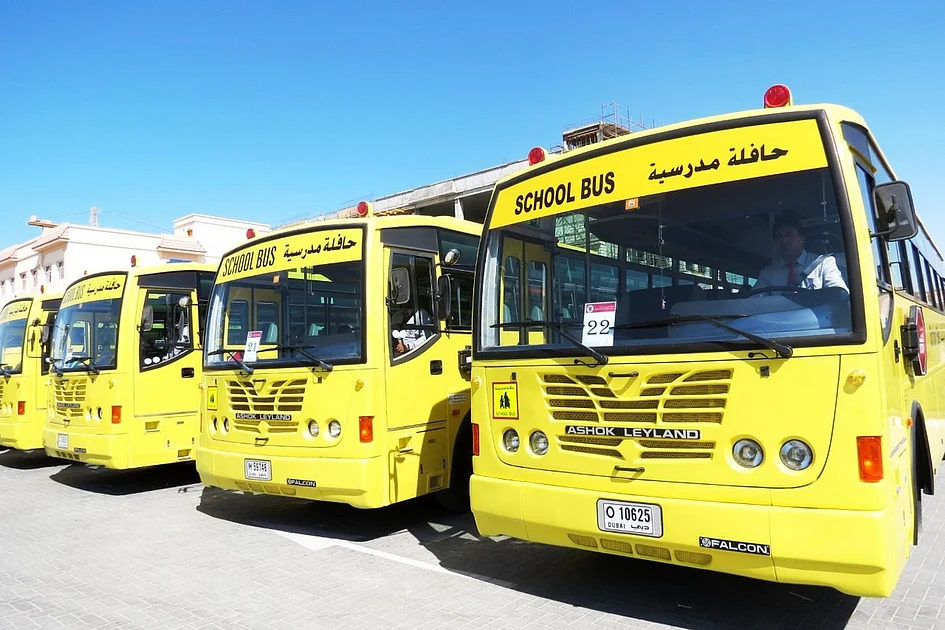
  • Dubai tests pooled SUV school transport: What you need to know

    Dubai tests pooled SUV school transport: What you need to know

    Dubai has embarked on a groundbreaking pilot program that could fundamentally reshape the city’s morning commute. The Roads and Transport Authority (RTA), in collaboration with Yango Group and Urban Express, has launched an innovative school transport pooling system utilizing shared SUV vehicles for students traveling to and from nearby educational institutions.

    The initiative specifically targets high-congestion school clusters, beginning with Al Barsha and surrounding neighborhoods where parking limitations and peak-hour traffic create significant challenges. The program represents a strategic response to extensive RTA research identifying key issues including excessive private vehicle usage, prolonged student travel durations, and morning traffic bottlenecks.

    Participating schools in this initial phase include prominent institutions such as Al Mawakeb School Al Barsha, American School of Dubai, Bloom World Academy, Brighton College Dubai, Dubai Heights Academy, Dubai International Academy, and multiple GEMS Education schools, among others in the area.

    The operational model employs demand-based routing rather than fixed lines for individual schools. After registration, students from similar neighborhoods share SUV vehicles with routes and schedules meticulously planned in advance to align with school timings. Vehicles are assigned to designated parking zones serving several neighboring schools, minimizing unnecessary detours and maintaining journey times within a 60-minute threshold.

    Parents of students at participating schools can register interest through Yango’s online portal or the Urban Express platform. Registrations are processed continuously, with routes activated based on demand feasibility and school coordination. The rollout employs a phased approach to ensure service quality, clear family communication, and smooth school coordination.

    During the pilot phase, the service operates on a monthly subscription model with introductory rates ranging between Dh800 and Dh1,000, payable exclusively online. The current structure prioritizes predictable attendance to maintain pooling efficiency, though term-based plans may be considered as the service evolves.

    This initiative supports the RTA’s broader objective to increase shared or school transportation usage among students to 60% within the next three years. Notably, officials emphasize that the system complements rather than replaces existing bus transport infrastructure.

    Expansion into additional communities will occur in phases, contingent on demand patterns, route feasibility, and regulatory approvals. Parents whose schools or residential areas aren’t yet covered can still register interest for future expansion planning.

  • Thirteen schoolchildren killed after bus collides with lorry in South Africa

    Thirteen schoolchildren killed after bus collides with lorry in South Africa

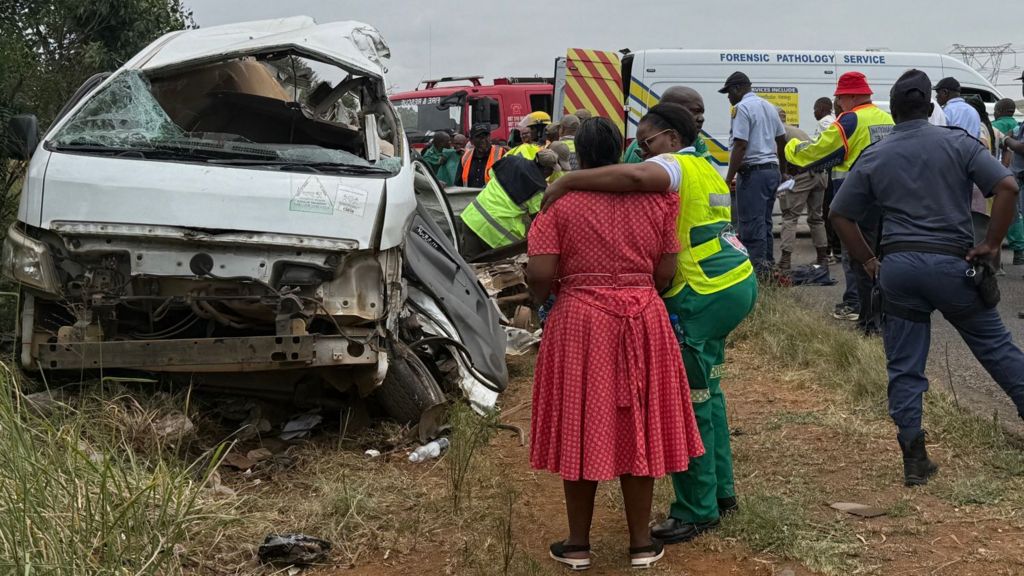
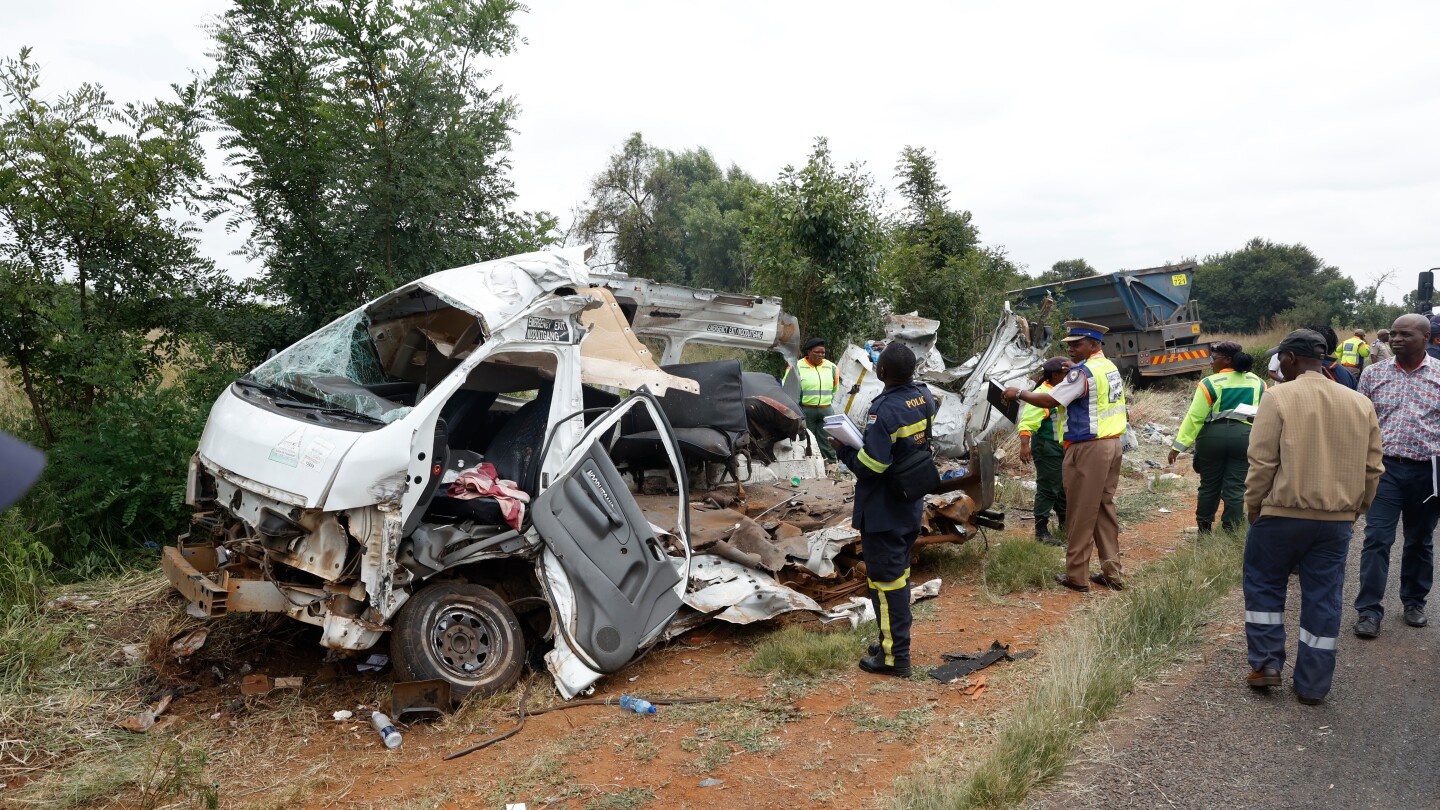
    A devastating road accident in South Africa’s Gauteng province has resulted in the deaths of thirteen schoolchildren after their minibus collided with a heavy goods vehicle. The tragic incident occurred on Monday morning at approximately 07:00 local time near Vanderbijlpark, located south of Johannesburg.

    According to police spokesperson Mavela Masondo, preliminary investigations indicate the minibus driver attempted to overtake two vehicles before crashing into the oncoming lorry. The impact proved immediately fatal, with eleven students pronounced dead at the scene. Two additional children later succumbed to their injuries in medical facilities, while two remain in critical condition fighting for their lives.

    Law enforcement authorities have confirmed the initiation of a culpable homicide case as part of the ongoing investigation. The minibus driver is reportedly receiving hospital treatment, though the condition and whereabouts of the lorry driver remain uncertain according to official statements.

    This tragedy highlights South Africa’s persistent road safety crisis, where factors including excessive speeding, dangerous driving behaviors, and inadequate vehicle maintenance contribute to alarmingly high accident rates. Recent statistics reveal that despite a 6% reduction in road fatalities from the previous year, 11,418 individuals lost their lives in traffic incidents throughout 2025 – averaging 31 daily deaths.

    President Cyril Ramaphosa expressed profound distress regarding the incident, emphasizing that “our children are the nation’s most precious assets.” The president called for comprehensive safety measures encompassing both road regulation compliance and improved standards for scholar transport services.

  • Conversation with Yash Trivedi, Founder & CEO, YOUAE Mortgages

    Conversation with Yash Trivedi, Founder & CEO, YOUAE Mortgages

    The United Arab Emirates has achieved recognition as one of the world’s most sophisticated mortgage markets, according to Yash Trivedi, Founder and CEO of YOUAE Mortgages. In an exclusive interview, Trivedi detailed the remarkable evolution of the country’s lending landscape, highlighting regulatory stability, digital transformation, and shifting consumer behavior as key drivers behind this maturation.

    Trivedi emphasized that technological innovation sits at the forefront of this transformation. “Fintech integration is revolutionizing how we serve clients,” he stated. “From instant eligibility checks to digital document processing, speed and accuracy have improved dramatically.” YOUAE Mortgages is developing advanced AI-powered affordability tools that enable clients to visualize various repayment scenarios in real-time, making mortgage planning significantly more interactive and accessible.

    The CEO distinguished his firm’s approach from traditional brokers by emphasizing their advisory role over sales. “We operate as advisors, not sellers,” Trivedi explained. The company’s methodology begins with comprehensively understanding each client’s financial narrative—including income, lifestyle, and long-term goals—before curating personalized solutions. This client-centric philosophy is built on unwavering transparency regarding fees, options, and potential trade-offs.

    Looking toward 2026 and beyond, Trivedi identified several key trends shaping the market: a surge in long-term residents transitioning from renting to homeownership, sustained international investment in prime communities, and growing demand for sustainability-linked developments. Visa reforms and robust economic confidence are further fueling this activity.

    For first-time buyers who find mortgages complex, Trivedi offered clear guidance: “Start early, plan smart, and don’t rely solely on hearsay.” He stressed the importance of understanding the total cost of ownership beyond just interest rates, including fees and early settlement options. His ultimate advice? “Working with a licensed mortgage advisor ensures you don’t overborrow or miss better products available in the market.”

    As the UAE’s real estate landscape expands in alignment with the 2040 Vision, YOUAE Mortgages continues to champion financial literacy and ethical advisory as cornerstones of sustainable growth, ensuring every mortgage transaction becomes the foundation of a lifelong relationship built on trust.

  • School bus crash in South Africa kills at least 13 children, police say

    School bus crash in South Africa kills at least 13 children, police say

    A devastating head-on collision between a school minibus and a truck in Gauteng province has resulted in the tragic deaths of 13 schoolchildren, marking one of South Africa’s most severe educational transport accidents in recent memory. The catastrophic incident occurred approximately at 7 a.m. on Monday during morning transportation operations in the southwestern region of Johannesburg.

    According to preliminary investigations by emergency response teams, 11 children lost their lives immediately at the accident scene, while two additional students subsequently succumbed to critical injuries after emergency medical transfers to nearby healthcare facilities. The private minibus was actively engaged in transporting students to multiple primary and secondary educational institutions when the collision transpired.

    Eyewitness accounts provided to law enforcement officials indicate the school transport vehicle was attempting to overtake stationary traffic when it directly collided with the oncoming truck. Gauteng Emergency Medical Services coordinated the immediate response, transporting five critically injured patients to Sebokeng Hospital and two others to Kopanong Hospital for specialized trauma care. The minibus driver, who also sustained injuries in the catastrophic impact, remains under medical supervision.

    Provincial Education Department Minister Matome Chiloane confirmed both drivers will face comprehensive investigations, with particular scrutiny directed toward potential reckless operation of the school transport vehicle. Concurrent police investigations are examining all contributing factors to the tragic collision.

    Distressing scenes unfolded at the accident location as grief-stricken parents arrived, with many overcome by emotional devastation. Emergency personnel were observed recovering scattered educational materials and personal belongings from the crash site.

    President Cyril Ramaphosa issued an official statement expressing profound national sorrow, emphasizing that “our children represent the nation’s most precious assets” while calling for enhanced road safety measures and improved transportation standards. The national government has committed to providing comprehensive psychosocial support services to affected families, schools, and communities.

    Basic Education Minister Siviwe Gwarube highlighted concerning patterns in school transport safety, noting that numerous accidents result from driver error while urging the Transportation Department to intensify vehicle roadworthiness verification processes for all educational transport providers.

  • Ecstasy and now a day off – Senegal fans around the world celebrate Afcon win

    Ecstasy and now a day off – Senegal fans around the world celebrate Afcon win

    In a stunning conclusion to the 2025 Africa Cup of Nations, Senegal emerged victorious against tournament hosts Morocco with a 1-0 victory in extra time during Sunday’s championship match. The intensely dramatic final, played in Rabat’s packed stadium, featured a disallowed goal, a crucial missed penalty, and temporary player walk-offs that created unprecedented tension.

    President Bassirou Diomaye Faye immediately declared Monday a national holiday in recognition of the historic achievement, triggering spontaneous celebrations across Senegal. In Dakar, thousands of ecstatic supporters gathered at the foot of the African Renaissance Monument, where a massive outdoor screen broadcast the nail-biting match. The tension proved overwhelming for some fans during critical moments, particularly when Moroccan striker Brahim Diaz stepped up for what could have been a tournament-winning penalty.

    The emotional rollercoaster continued as Diaz’s missed penalty set the stage for Senegal’s extra-time victory, unleashing waves of jubilation among Senegalese supporters worldwide. “What just happened is divine… a scenario as if it were a Netflix series is crazy,” exclaimed Dakar resident Mohamed Diop, capturing the surreal atmosphere among winning supporters.

    Meanwhile, Moroccan fans experienced profound disappointment despite their team’s impressive tournament performance. At fan parks in Sale and among diaspora communities in Eindhoven, supporters expressed shock and devastation at the narrow loss. “Maybe next time,” one resigned Moroccan fan told reporters. “We have good players. Now we should get back to work so we can win in 2027.”

    The victory triggered international celebrations from Milan to Paris and New York, where Senegalese diaspora communities poured into the streets. In Paris’s Château Rouge district—known locally as Little Africa—and at a watch party hosted by New York Mayor Zohran Mamdani, supporters celebrated deep into the night. “We really needed to win. This team showed me courage and seriousness,” supporter Modou Yacine Diop remarked, specifically praising team captain Sadio Mané’s leadership and contribution to the historic victory.

  • GCC tourism revenues hit $120b as UAE spurs travel boom

    GCC tourism revenues hit $120b as UAE spurs travel boom

    The Gulf Cooperation Council (GCC) has achieved unprecedented growth in its tourism sector, with revenues surging to $120.2 billion in 2024, substantially exceeding pre-pandemic performance levels. This remarkable recovery, representing a 39.6% increase over 2019 figures and an 8.9% year-on-year rise, underscores the region’s successful economic diversification efforts, with the United Arab Emirates acting as the primary catalyst for expansion.

    According to data released by the Statistical Centre for the Cooperation Council for the Arab States of the Gulf (Gulf-Stat), international tourist arrivals reached 72.2 million in 2024, marking a dramatic 51.5% increase compared to pre-crisis levels and elevating the GCC’s share of global tourism to 5.2%. This robust growth trajectory has been driven by strategic investments in aviation infrastructure, liberalized visa policies, and the development of diverse tourism offerings spanning luxury hospitality, cultural experiences, and eco-tourism.

    The UAE has positioned itself at the forefront of this transformation, leveraging its status as a global aviation hub while aggressively expanding into new tourism segments. Dubai and Abu Dhabi continue to break visitor records, supported by increased airline capacity, major international events, and continuous investment in hospitality infrastructure. The World Travel & Tourism Council projects the UAE’s sector will continue outperforming regional averages in coming years.

    Regional travel within the GCC bloc has emerged as a significant growth driver, accounting for 41.3% of total international tourist flows. This intra-regional mobility has grown at an average annual rate of 51.2% between 2019 and 2024, facilitated by joint tourism initiatives and cross-border events. International source markets remain diversified, with the Middle East contributing 18.8% of inbound tourists, followed by Europe (14.6%) and Asia-Pacific (14.5%).

    The tourism boom has triggered substantial infrastructure development across the region. Hotel establishments have expanded to 11,200 properties offering approximately 711,500 rooms, while tourism-related employment has grown to 1.7 million workers in 2024—a 33% increase from 2020. This expansion highlights the sector’s growing importance as a major employer and catalyst for ancillary industries including transportation, retail, and food services.

    Tourism’s direct economic contribution has reached $93.5 billion, representing 4.3% of total regional GDP and achieving 64.1% of the GCC’s Tourism Strategy 2030 targets. The sector has become instrumental in reducing hydrocarbon dependence and building more resilient, service-oriented economies.

    Key performance indicators demonstrate strengthening sector fundamentals, with average tourist stays reaching 8.4 nights and spending per visit averaging $674.60. Gulf-Stat reports the GCC has achieved between 56% and 78% of its 2030 benchmarks across cultural tourism, eco-tourism, and business travel categories.

    The outlook for 2026 remains optimistic, with the IMF and global travel organizations predicting Middle East tourism will continue expanding faster than the global average. This growth is expected to be sustained by rising middle-class travel demand, expanding airline networks, and continued government investment in mega tourism projects, particularly in the UAE where developments in sustainable travel infrastructure are cementing its position as the region’s dominant tourism hub.