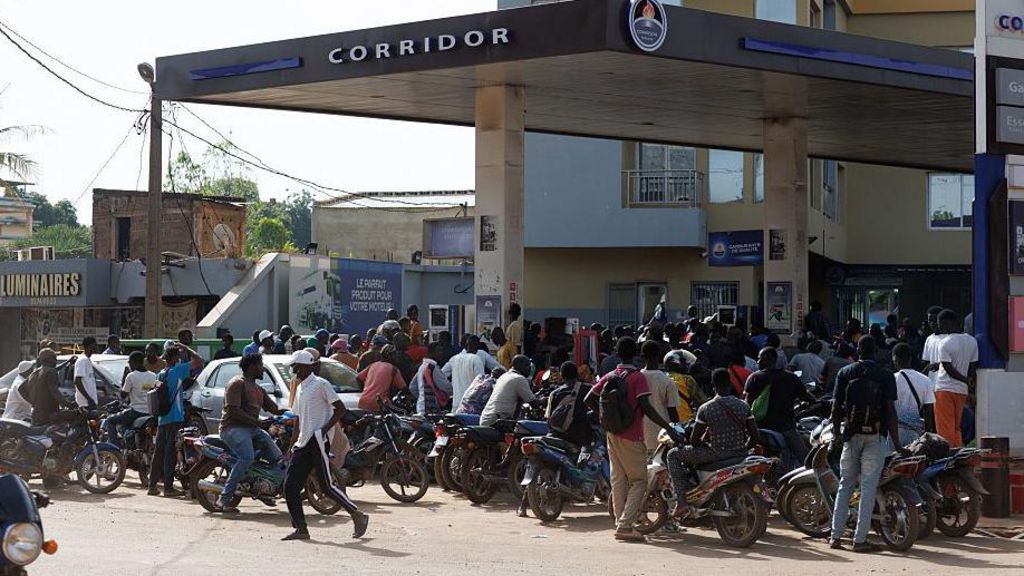
Mali has been plunged into a deepening crisis as schools and universities across the nation have been forced to suspend operations due to a severe fuel shortage. The disruption stems from a blockade on fuel imports imposed by Islamist insurgents, who have targeted tankers on major highways. Education Minister Amadou Sy Savane announced the suspension on state television, stating that all educational institutions will remain closed until November 9. The decision was made to address the logistical challenges faced by staff and students in commuting amid the fuel scarcity. The government has assured the public that it is working tirelessly to resolve the crisis and resume classes by November 10. The capital, Bamako, has been particularly hard-hit, with long queues forming at petrol stations and the city’s bustling streets now eerily quiet. Mali, a landlocked country, relies entirely on fuel imports from neighboring nations such as Senegal and Ivory Coast, making it vulnerable to such blockades. The military government, led by General Assimi Goïta, has struggled to contain the crisis despite earlier assurances that the fuel shortage was temporary. The situation has escalated to the point where the US Embassy in Bamako has evacuated non-essential diplomatic staff and their families, citing worsening fuel shortages and heightened security concerns. The embassy warned that the fuel disruptions could lead to unpredictable security challenges and have already impacted electricity supplies. Mali’s ongoing instability is rooted in a complex history of insurgency, with Islamist militants gaining control over large swathes of the north and east. The military junta, which seized power in a 2021 coup, initially enjoyed popular support for its promises to address the security crisis. However, the withdrawal of UN peacekeeping forces and French troops has left the government reliant on Russian mercenaries to combat the insurgency, with limited success. The current fuel blockade underscores the persistent threat posed by jihadist groups and the broader challenges facing Mali’s fragile governance.
标签: Africa
非洲
-
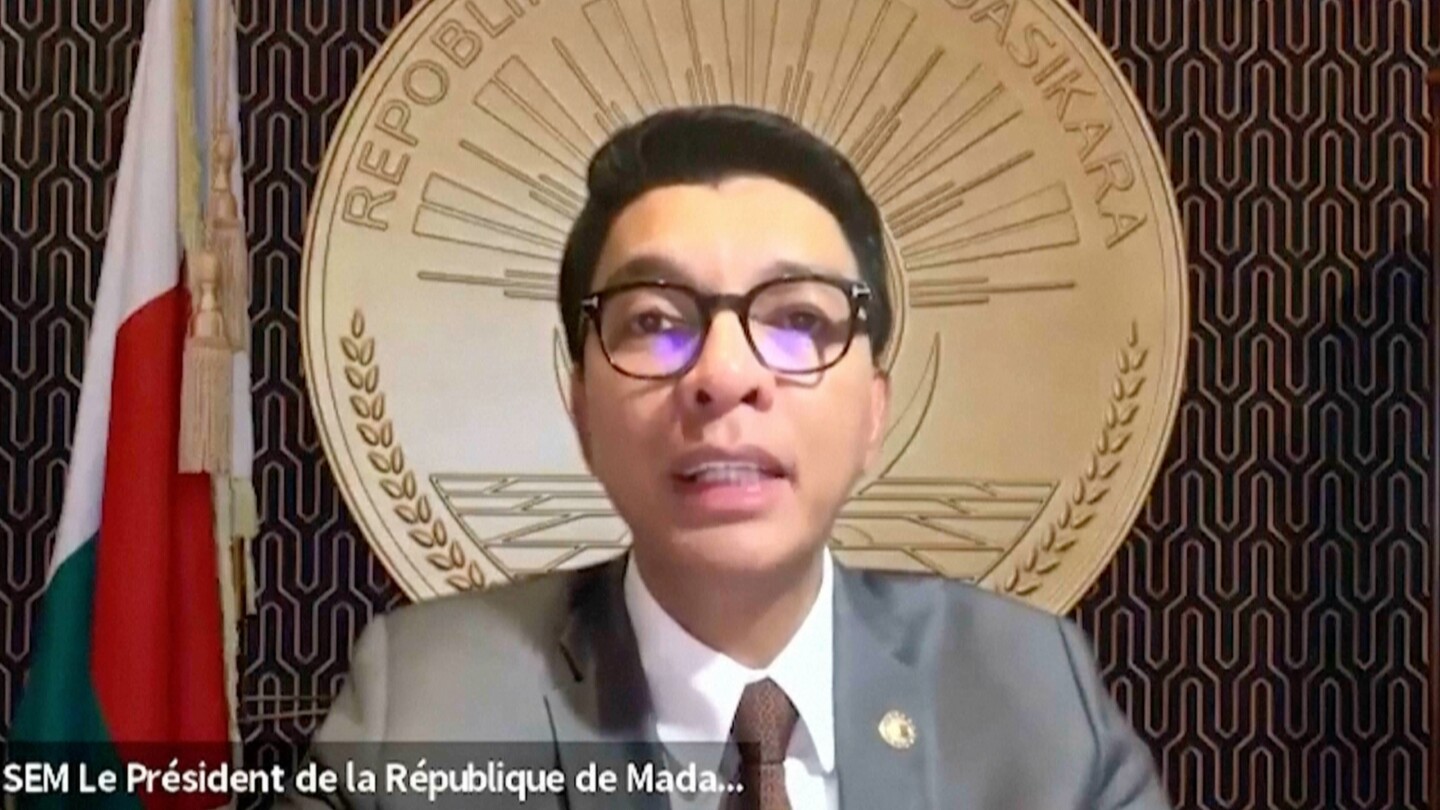
Former Madagascar president Andry Rajoelina stripped of citizenship after military takeover
In a dramatic turn of events, former Madagascar President Andry Rajoelina has been stripped of his Malagasy citizenship following his ousting in a military coup just over a week ago. Rajoelina, who also holds French citizenship, fled the country amid widespread protests demanding his resignation. His current whereabouts remain unknown. The new Prime Minister, Herintsalama Rajaonarivelo, has enacted a decree that revokes the citizenship of any Malagasy individual holding dual nationality, a move that directly impacts Rajoelina. This development follows intense scrutiny over Rajoelina’s eligibility to run in the 2023 presidential election, which he ultimately won. The protests, led predominantly by the youth, were initially sparked by chronic issues such as water and electricity shortages but quickly escalated to address broader grievances like poverty and unemployment. The unrest culminated in a violent crackdown by security forces, resulting in 22 deaths and over 100 injuries, according to the United Nations. Rajoelina, who expressed fears for his life, addressed the nation from an undisclosed location shortly before the military takeover. Colonel Michael Randrianirina has since been sworn in as the new president. Madagascar, which gained independence from France in 1960, has a tumultuous history of political instability, with Rajoelina himself first rising to power following a coup in 2009.
-
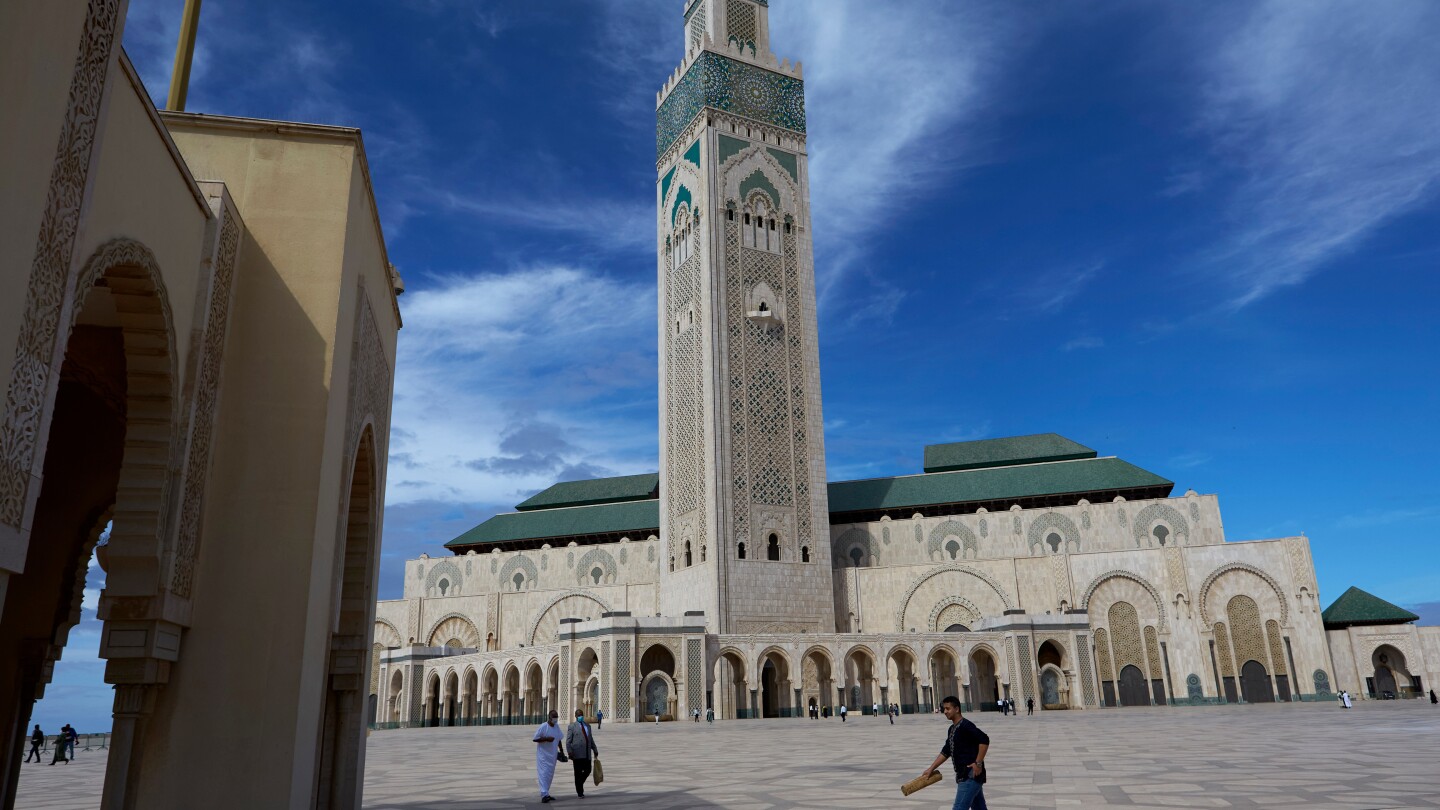
Sermons urge youth to take part in public affairs in Morocco after wave of protests
In a striking move to address rising youth discontent, Morocco’s government has taken to the pulpit to deliver a unified message across the nation’s mosques. On Friday, imams in over 53,000 mosques, including one in Rabat, delivered a government-written sermon urging parents to involve their children in public affairs. The sermon, broadcast live on public television, emphasized the importance of civic participation, national loyalty, and the role of youth in shaping Morocco’s future. This initiative comes in the wake of widespread protests led by the Gen Z 212 movement, which has been demanding better social and economic conditions and accountability from the government. The protests, organized via social media platforms like Discord, have been marked by acts of vandalism, arrests, and even fatalities. While the sermon did not directly address the protests, it was widely interpreted as an attempt by the government to engage with the youth and steer them toward constructive dialogue. Critics, however, argue that the state’s control over sermon content turns mosques into tools for promoting government policies. In response to the unrest, the government has announced new measures, including a draft bill to simplify election candidacy requirements for individuals under 35 and a record $15 billion allocation for health and education in the 2026 budget. Despite these promises, weekend protests saw lower-than-expected turnout, with only dozens attending a gathering in Casablanca. Analysts like Dr. Driss El Ganbouri suggest that while sermons can influence public opinion, they must be backed by tangible actions to gain the trust of the younger generation.
-
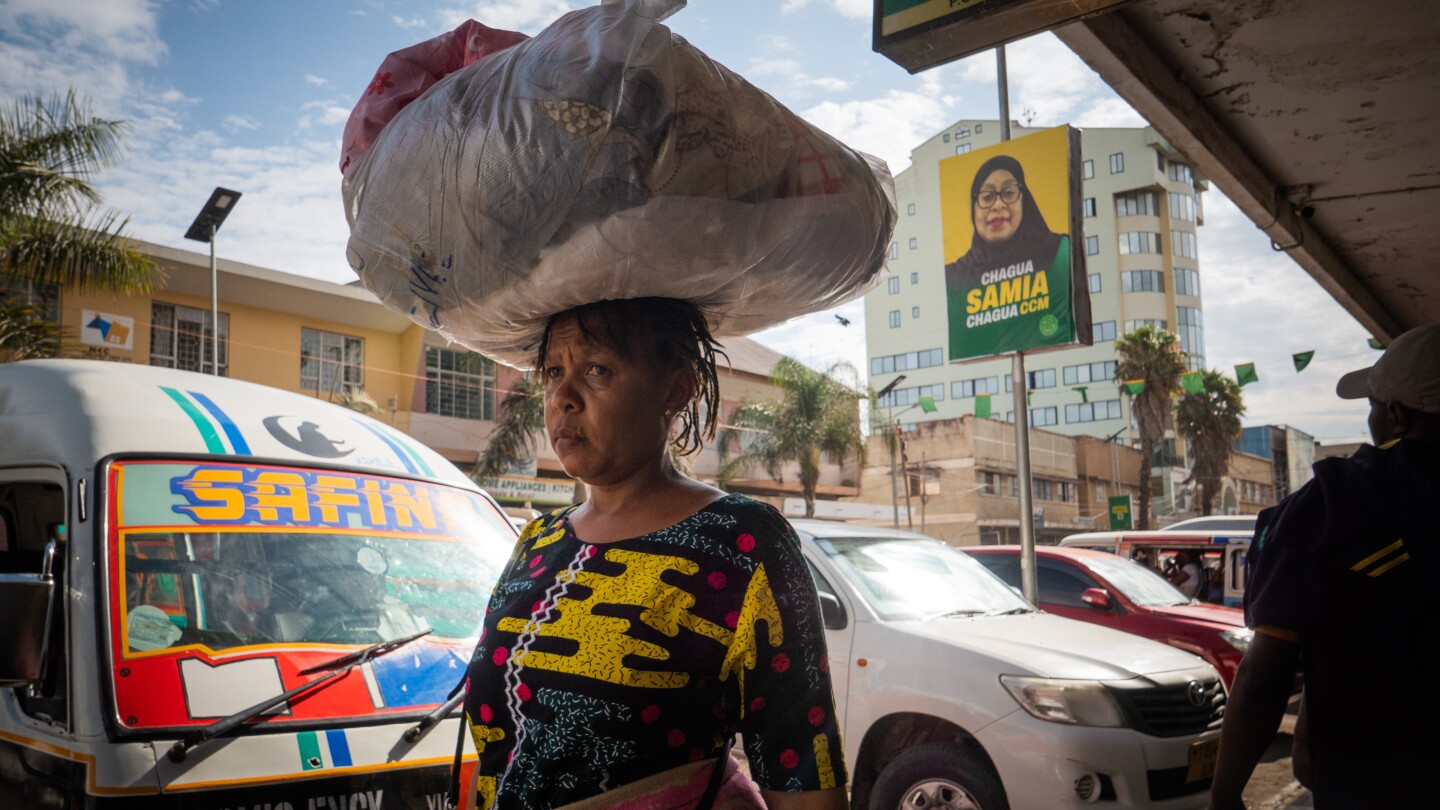
Tanzania goes to vote in elections set to keep the same party in power for 7 decades
Tanzania is set to hold a pivotal election on Wednesday, with President Samia Suluhu Hassan widely anticipated to secure another term. The ruling Chama cha Mapinduzi (CCM) party, in power since the country’s independence from Britain in 1961, faces minimal opposition, a trend that has persisted for decades. Despite Tanzania’s multiparty democratic framework, the political landscape remains dominated by CCM, raising concerns about the erosion of democratic principles.
-
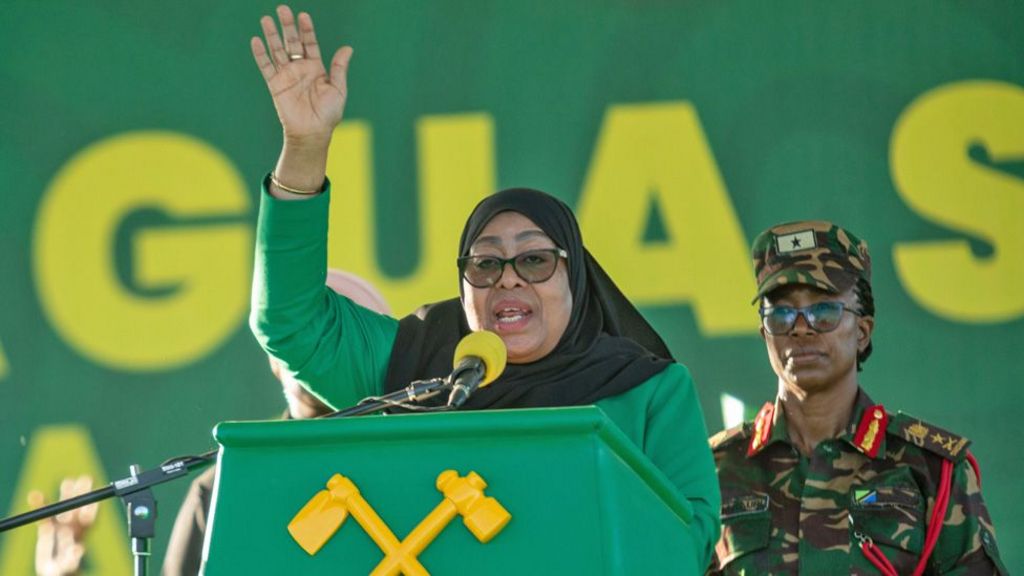
A coronation not a contest – Tanzania’s first female president faces little opposition
As Tanzania approaches its presidential election on Wednesday, the absence of significant opposition candidates has transformed the event into what many perceive as a coronation for President Samia Suluhu Hassan. The 65-year-old leader, who assumed office in 2021 following the death of President John Magufuli, faces her first electoral test. While initially hailed as a reformist, her tenure has been marked by a tightening grip on dissent and a shrinking political landscape.
-

Van de Ven double lifts Tottenham to victory at Everton
Tottenham Hotspur delivered a commanding performance on Sunday, securing a 3-0 victory over Everton in the Premier League, thanks to a standout display by defender Micky van de Ven. The Dutchman’s two headed goals in the first half proved decisive, as Tottenham became the first team to win at Everton’s newly inaugurated Hill Dickinson Stadium. The match marked a significant rebound for Tottenham following their recent defeat to Aston Villa, solidifying their position as a formidable force in the league. Van de Ven opened the scoring in the 19th minute, capitalizing on a corner kick with a close-range header. He doubled the lead just before halftime, outmuscling Everton’s goalkeeper Jordan Pickford to nod in another set-piece delivery. Substitute Pape Matar Sarr added a third goal late in the game, sealing the win and lifting Tottenham to third place in the league table with 17 points from nine matches. Everton, meanwhile, struggled to break through Tottenham’s defense, with goalkeeper Guglielmo Vicario making several crucial saves, including a spectacular reflex stop to deny Beto. The hosts’ frustration was compounded by a disallowed goal in the first half, ruled out for an infringement on Vicario. Tottenham’s efficiency in set-piece situations highlighted their tactical prowess, while Everton’s inability to capitalize on possession left them languishing in 14th place with 11 points. Van de Ven, who now boasts five goals this season, praised his team’s resilience, stating, ‘We showed great character and mentality today.’
-
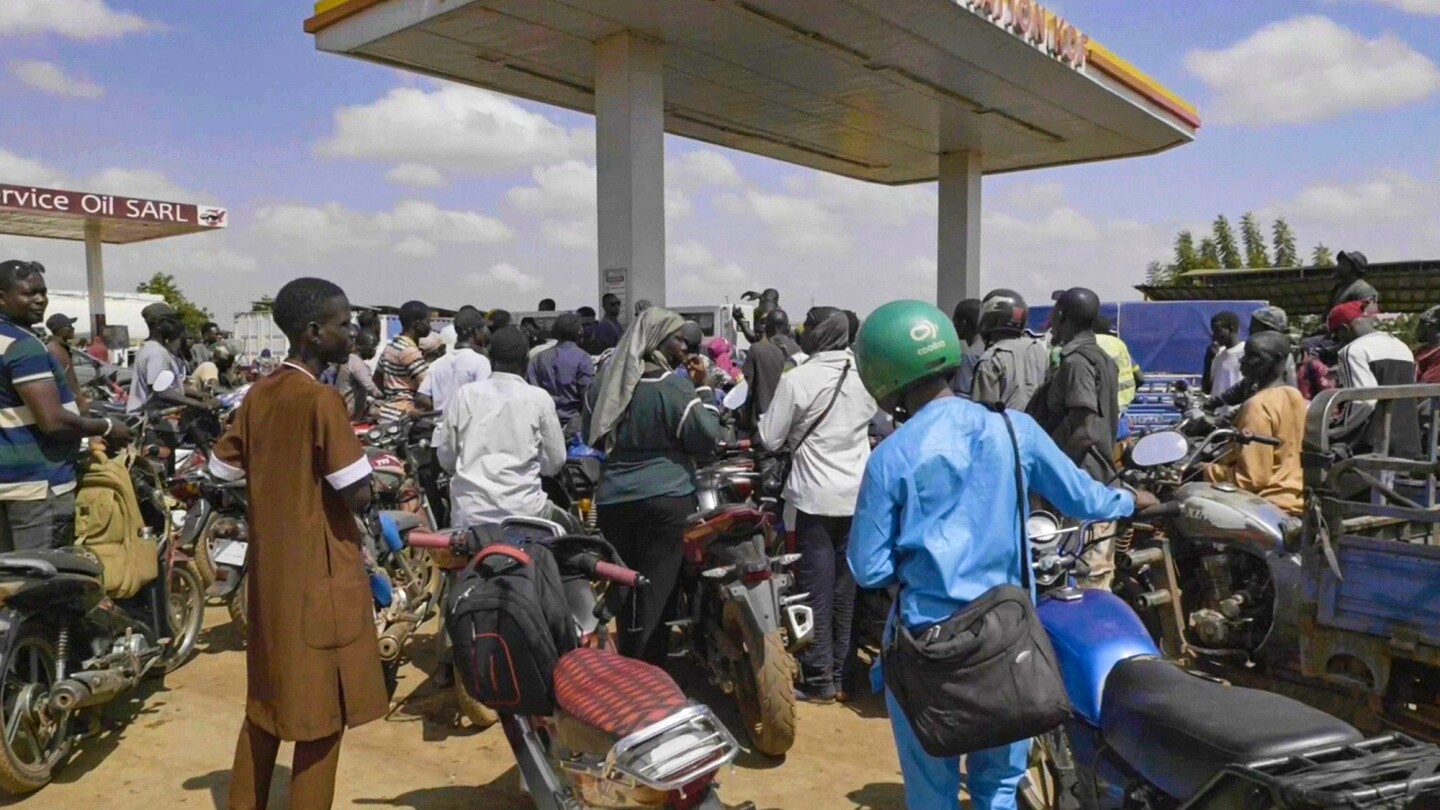
Mali closes schools due to fuel scarcity as militants enforce blockade
Mali has taken the drastic step of closing all schools and universities across the country starting Sunday, as a severe fuel scarcity triggered by a blockade on fuel imports by jihadi militants continues to cripple daily life. Education Minister Amadou Sy Savane announced the suspension of classes for two weeks on state television, citing disruptions in fuel supplies that have severely impacted the mobility of school staff. The blockade, imposed by the al-Qaida-affiliated Jama’at Nusrat al-Islam wal-Muslimin group in early September, has left hundreds of fuel trucks stranded at Mali’s borders, exacerbating the landlocked nation’s already fragile economy. The crisis has led to long queues at gas stations in the capital, Bamako, and driven up the prices of essential commodities and transportation. Mali, along with neighboring Burkina Faso and Niger, has been grappling with an insurgency involving armed groups linked to al-Qaida, the Islamic State, and local rebels. Following military coups in all three nations in recent years, French forces have been expelled, and Russian mercenary units have been enlisted for security assistance, though analysts argue this has done little to improve the situation. The Malian military junta, which seized power in 2020, has attempted to escort fuel trucks from border areas to Bamako, but some convoys have been attacked by militants. The education minister assured that authorities are working tirelessly to restore fuel supplies before schools reopen on November 10.
-
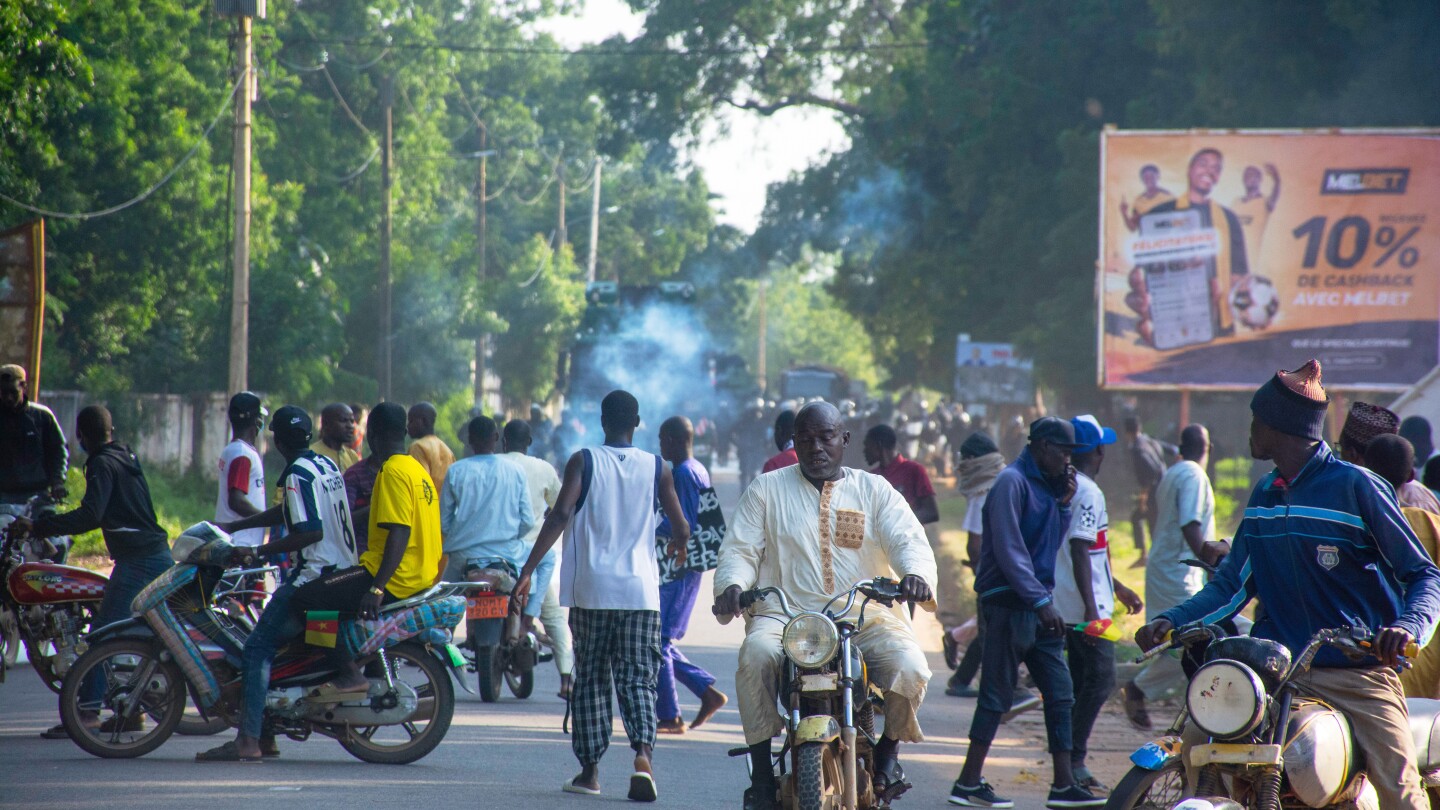
2 protesters shot dead as tensions rise in Cameroon ahead of election results, opposition says
In a dramatic escalation of political tensions, at least two protesters were fatally shot by security forces in Cameroon on Sunday as opposition supporters took to the streets to demand transparency in the recent presidential election. The unrest unfolded in multiple cities, including the economic hub of Douala, where clashes between demonstrators and law enforcement turned violent. The opposition, led by candidate Issa Tchiroma Bakary, alleges that President Paul Biya, who has ruled the country for nearly four decades, rigged the October 12 election to secure his reelection. Cameroon’s constitutional council is set to announce the final results on Monday, but the opposition has already dismissed the process as fraudulent. Videos circulating online depict chaotic scenes of tear gas being deployed and protesters barricading major roads in cities like Garoua and Maroua. Authorities have remained silent on the reported deaths, which were confirmed by the African Movement for New Independence and Democracy party but could not be independently verified by The Associated Press. Meanwhile, dozens of opposition supporters and activists have been arrested in recent days, with the government accusing them of plotting violent attacks. One protester, Oumarou Bouba, a 27-year-old trader from Maroua, expressed his determination to defend his vote, stating, ‘I am ready to stake my life for change.’ The election has deepened divisions in Cameroon, a nation of nearly 30 million people, with many criticizing Biya, the world’s oldest leader at 92, for seeking another term after nearly half a century in power. The opposition has also accused him of sidelining his strongest rival and manipulating state resources to tilt the election in his favor.
-
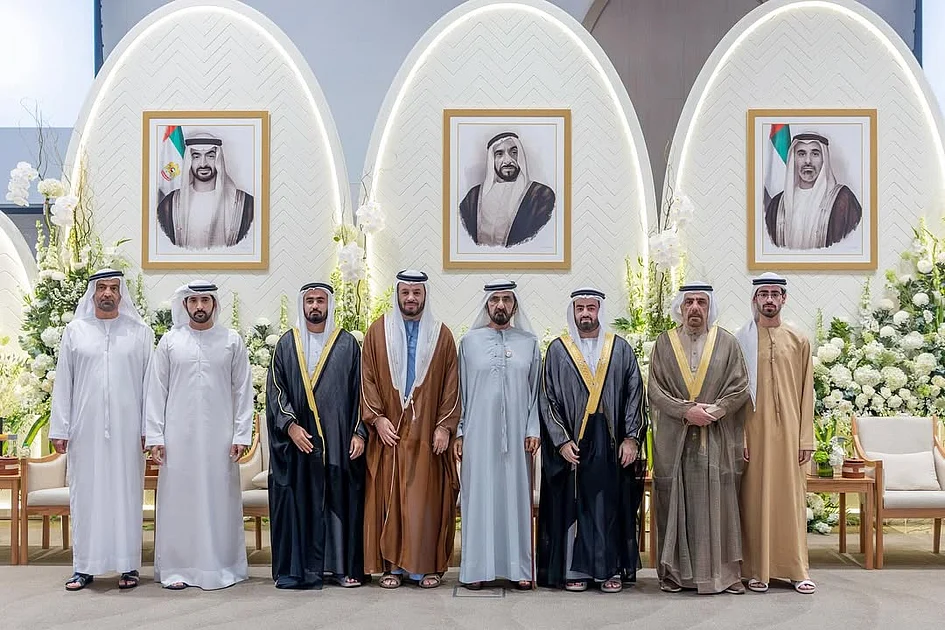
UAE Royals attend wedding reception of adviser Faisal Al Bannai’s sons
In a grand celebration at Erth Abu Dhabi, UAE President Sheikh Mohamed bin Zayed Al Nahyan, along with other prominent royals and dignitaries, attended the wedding reception of Abdulaziz and Abdulla, sons of Faisal Abdulaziz Al Bannai, Adviser to the UAE President for Strategic Research and Advanced Technology Affairs. The newlyweds married the daughters of Najeeb Ibrahim Al Zarouni and Sameer Meer Abdulaziz Al Khoury, respectively. The event was graced by Sheikh Mohammed bin Rashid Al Maktoum, Vice President and Prime Minister of the UAE and Ruler of Dubai, accompanied by Sheikh Hamdan bin Mohammed bin Rashid Al Maktoum, Crown Prince of Dubai. Other notable attendees included Sheikh Mansour bin Zayed Al Nahyan, Vice President and Chairman of the Presidential Court, and Sheikh Saif bin Zayed Al Nahyan, Deputy Prime Minister and Minister of the Interior. Sheikh Khaled bin Mohamed bin Zayed Al Nahyan, Crown Prince of Abu Dhabi, also joined the festivities. Sheikh Mohamed extended his heartfelt congratulations to the couples and their families, wishing them a prosperous and harmonious life. The families expressed profound gratitude for the royal presence, highlighting the leadership’s deep connection with the Emirati people. The celebration featured traditional Emirati performances, adding cultural richness to the joyous occasion.
-
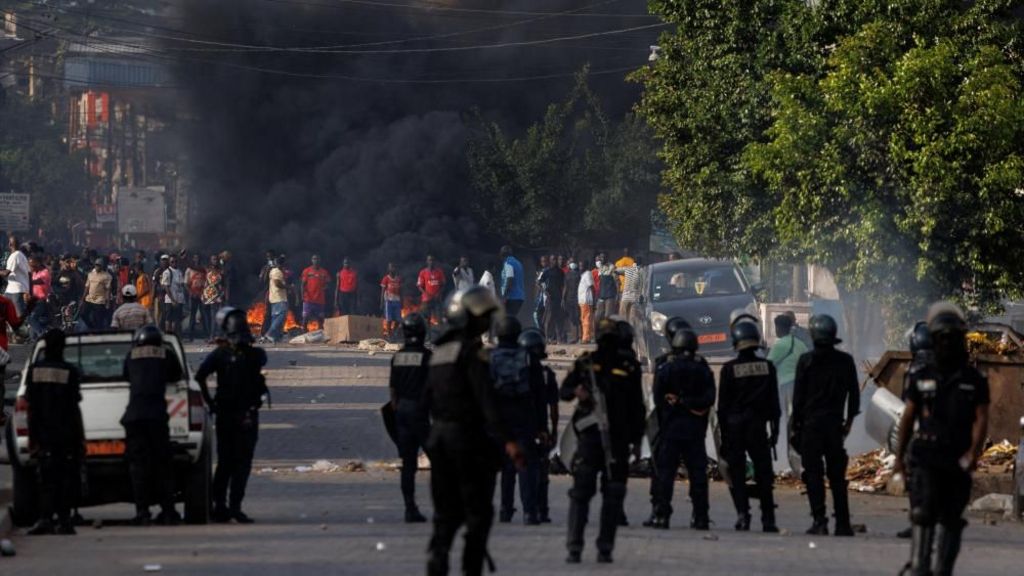
Violent protests flare in Cameroon as results due in contested election
Tensions have escalated across Cameroon as supporters of opposition candidate Issa Tchiroma Bakary clashed with security forces in multiple cities, just a day before the official announcement of the presidential election results. The protests, which began in Bakary’s stronghold of Garoua in northern Cameroon, saw police deploying tear gas and water cannons to disperse crowds. Demonstrators accused the ruling Cameroon People’s Democratic Movement (CPDM) of attempting to ‘steal the victory’ from Bakary, who claims to have won the October 12 election with approximately 55% of the vote. Incumbent President Paul Biya, who has held power for 43 years, seeks another term, but Bakary has dismissed the CPDM’s claims as illegitimate. Authorities have banned public gatherings until Monday, when the constitutional council is expected to announce the results. The protests, initially peaceful, turned chaotic as security forces intervened. In Douala, another major city, demonstrators chanted support for Bakary, demanding transparency in the electoral process. Bakary, a former government minister and Biya ally, dramatically shifted his stance earlier this year, resigning from the government to challenge Biya. He has refused to file complaints with the constitutional council, whose judges are appointed by Biya, instead declaring himself the ‘legal and legitimate president.’ The election has been marred by allegations of irregularities, including ballot-stuffing, which the constitutional council has dismissed due to insufficient evidence. The unrest underscores deep political divisions in Cameroon, with Bakary’s supporters vowing to continue their fight for electoral justice.