标签: Africa

非洲

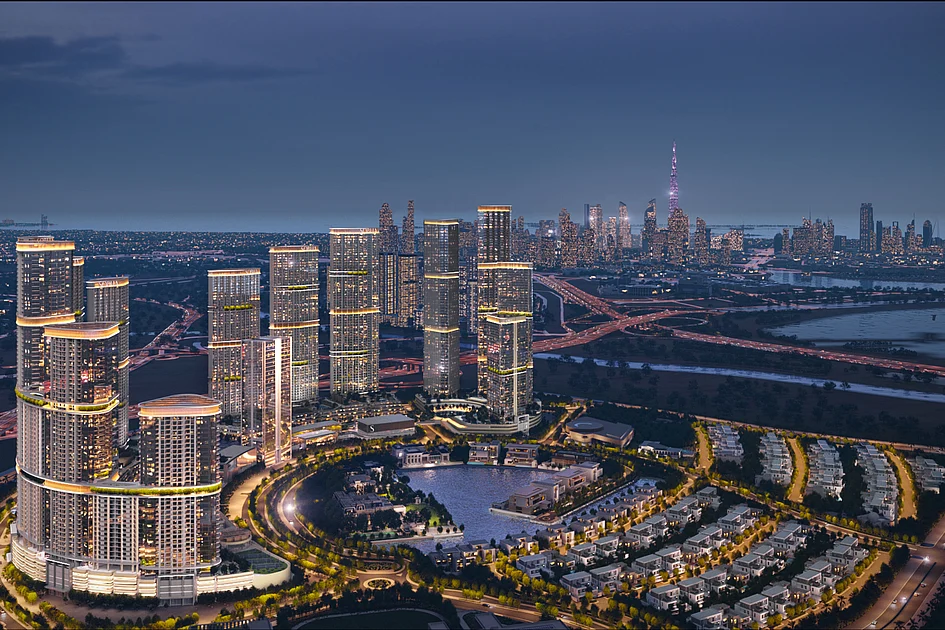
  • UAE real estate surge: Demand up for prime office and retail space

    UAE real estate surge: Demand up for prime office and retail space

    The United Arab Emirates’ commercial property sector has demonstrated exceptional resilience and growth throughout 2025, driven by converging factors of constrained supply and evolving market dynamics across both office and retail segments. According to industry experts and recent market analyses, business hubs including Dubai and Abu Dhabi have experienced remarkable performance metrics despite global economic uncertainties.

    Market intelligence from JLL’s Office Market Dynamics report reveals a significant transformation in demand composition within the UAE’s 13.4 million square meters of office inventory. Regional corporations are increasingly outpacing international counterparts in leasing inquiries, demonstrating greater flexibility regarding premium rental structures. This trend has created a landlord-favorable environment, particularly for premium-grade properties in central business districts.

    The retail landscape has undergone parallel transformation, with consumer behavior shifts toward value and convenience reshaping the sector’s 8.24 million square meters of inventory. Prime super-regional malls maintained their premium positioning, with Abu Dhabi recording a 3.4% rental increase year-to-Q3 2025, while Dubai witnessed a substantial 13.5% surge during the same period.

    ValuStrat data indicates Abu Dhabi’s office market, with approximately 3.9 million square meters of stock, achieved asking rent increases of 22.7% year-over-year and 3.6% quarter-over-quarter, maintaining occupancy rates exceeding 90% in central business districts. The retail segment reached nearly 2 million square meters of gross leasable area, supported by expansion projects including Al Jimi Mall’s redevelopment.

    Industry executives highlight several structural catalysts underpinning this growth, including government long-term economic strategies, expanded freehold zones, golden visa initiatives, and stable tax regulations. The emergence of master-planned mixed-use developments represents another critical driver, accounting for over 85% of new urban development and delivering superior rental yields compared to single-use zones.

    Looking toward 2026, market sentiment remains optimistic though cautiously attentive to cyclical peaks in rental growth rates. Dana Williamson of JLL emphasized that ‘success hinges on deep understanding of evolving occupier and consumer behaviors, and the ability to implement innovative adaptation strategies in a fast-maturing market.’

    Executive perspectives from Ohana Developments and Relaam reinforce this outlook, noting sustained demand for premium developments, particularly those offering integrated lifestyle components, wellness features, and sustainability considerations. Challenges include maintaining design consistency, preserving authentic community identity, and ensuring commercial offerings evolve alongside increasingly selective buyer expectations.

  • UAE real estate shift: Sustainability and wellness redefine living

    UAE real estate shift: Sustainability and wellness redefine living

    The United Arab Emirates is experiencing a fundamental transformation in its real estate sector, with Sharjah emerging as a pioneering testing ground for sustainable community development. This paradigm shift represents a dramatic departure from traditional housing models, as buyers now demand integrated lifestyle features that combine environmental responsibility, wellness design, and long-term investment value as standard offerings rather than premium additions.

    Sharjah’s real estate market demonstrates remarkable momentum, attracting international investors while fundamentally reimagining urban development principles. The emirate recorded over 6,600 investors from 109 nationalities in the first half of 2025, with transactions exceeding Dh27 billion during this period. This growth is underpinned by a structural evolution in development philosophy that aligns with global sustainability trends while addressing local lifestyle priorities.

    The groundbreaking Sharjah Sustainable City stands as a testament to this transformation. Spanning 7.2 million square feet with approximately 1,250 villas, this community has established new benchmarks for low-emission living. Every residence incorporates solar panels and energy-efficient appliances, while the development treats all wastewater for irrigation purposes. The comprehensive approach reduces utility consumption significantly while simultaneously lowering carbon emissions.

    Beyond technical specifications, the community reshapes daily life through thoughtful urban design. Pedestrian-friendly pathways, abundant green spaces featuring native vegetation, and community facilities encourage sustainable living practices. The development includes a Sustainability Experience Center that educates residents about renewable energy, recycling, and responsible consumption—integrating environmental awareness into the community’s core ethos.

    Concurrently, the Ajwan Khorfakkan development represents a parallel shift toward wellness-oriented coastal living. This beachfront project combines dramatic natural surroundings with sophisticated design, responding to growing demand for waterfront communities that serve as both primary residences and retreat spaces. The development’s master plan incorporates shaded walking paths, recreational facilities, and hospitality offerings that emphasize connection to the natural environment.

    Market data confirms robust demand for sustainable properties, with reports indicating a 40% increase in demand for eco-friendly residential units since early 2025. Industry experts attribute this growth to improved consumer awareness, increased supply, and strengthened long-term confidence in sustainable investments. Developers are responding by accelerating new project launches that incorporate features such as water recycling systems, solar integration, energy-efficient appliances, and low-emission building materials.

    Sharjah’s government has played a crucial institutional role in this transformation through flexible legislation and updated construction standards. The widespread adoption of green concrete in public housing projects has yielded a 30% reduction in energy consumption and an 80% decrease in carbon emissions. This regulatory framework ensures that sustainability innovation extends beyond individual developments to become embedded in the emirate’s broader urban strategy.

    The convergence of developer commitment, consumer demand, and government support has established sustainability and wellness as fundamental determinants of real estate success rather than optional design trends. This comprehensive approach creates communities that demonstrate greater resilience to market fluctuations while attracting diverse investor profiles and supporting longer resident retention—ultimately contributing to Sharjah’s broader economic diversification objectives.

  • How smart homes are taking over UAE living: Over 500m voice interactions signal a new tech era

    How smart homes are taking over UAE living: Over 500m voice interactions signal a new tech era

    The United Arab Emirates is witnessing a transformative integration of voice-assisted technology into domestic life, with new regional data revealing unprecedented adoption rates. According to 2025 interaction metrics from Amazon Alexa, households across Saudi Arabia and the UAE have generated over 500 million voice commands this year alone, signaling a fundamental behavioral shift in how residents interact with their living environments.

    Smart-home automation emerged as the primary driver of voice technology usage, accounting for 175 million commands. UAE households particularly excel in implementing multi-step routines that simultaneously adjust lighting, climate control, and ambient audio through single voice prompts. Lighting commands specifically saw 30 million requests, representing a 25% year-over-year increase and establishing illumination control as a cornerstone of home automation.

    Entertainment functions constituted the second largest usage category with 106 million interactions, including 34 million music track plays. The UAE’s musical preferences reflect its multicultural composition, with Hindi music ranking as the second-most popular genre after children’s content, followed by funk and pop offerings. The data also revealed growing demand for atmospheric audio, with rain sounds and white noise triggered over 500,000 times for relaxation and focus enhancement.

    Beyond practical applications, voice technology demonstrates significant social impact. Half of surveyed respondents reported that Arabic voice assistants help younger family members maintain or improve their Arabic language skills, while 48% noted increased digital confidence among older relatives. Children remain central to voice interaction patterns, with nursery rhymes and kids’ songs representing the most requested audio category across both markets.

    The technology has also found spiritual applications, with families requesting morning and evening Athkar over 400,000 times and frequently accessing specific surahs from the Holy Quran including Al-Baqarah, Al-Kahf and Al-Mulk.

    Dr. Raf Fatani, Regional General Manager for Alexa Mena, emphasized the cultural significance of these developments: “These findings transcend technological trends, representing genuine integration into family life. Each statistic reflects meaningful moments—parents adjusting environments while holding children, elders managing schedules, and families creating new traditions through culturally responsive technology.”

    The convergence of these trends positions the UAE and Saudi Arabia as pioneers in developing culturally-aware, family-centered smart home ecosystems that seamlessly blend technological innovation with regional traditions and values.

  • Tears of joy as Nigerian families reunite with kidnapped schoolchildren

    Tears of joy as Nigerian families reunite with kidnapped schoolchildren

    PAPIRI, Nigeria — An emotionally charged Christmas reunion unfolded in north-central Nigeria as families embraced 130 students and educators freed after a month-long captivity in one of the nation’s most extensive mass abductions. The released individuals, comprising schoolchildren and teachers from St. Mary’s Catholic School, returned to Niger state’s Papiri community late Wednesday, representing the final group liberated since the November 21 attack. The scene witnessed tearful mothers clutching their children, villagers lifting youngsters skyward with beaming faces, and thorough examinations ensuring the returnees’ physical wellbeing. Yusuf Timothy, father of freed student Rejoice, expressed profound relief: “This Christmas, since we are celebrating with our children, we are so glad. And this Christmas will be different from the others.” Rita Marcus, reunited with her son through flowing tears, simply repeated: “I am happy, I am happy. This happiness, it is too much.”

    The incident highlights Nigeria’s escalating security crisis involving ransom-driven school kidnappings in Africa’s most populous nation. Authorities initially reported 303 students and 12 teachers seized in the Niger state attack, later revising the figure to 230 while confirming all had been released without elaboration on negotiation details. Most abducted children ranged from 10 to 17 years old, according to school records. Student Onyeka Chieme recounted to The Associated Press how gunmen threatened to shoot captives during the assault. The psychological toll on families was severe, with Timothy describing suspended lives: “Sometimes even though I’m asleep with my wife, if we wake up, we will start thinking. We will start crying. When are we going to see our child?”

  • Chronic water shortages dampen holiday mood in Tanzania’s biggest city

    Chronic water shortages dampen holiday mood in Tanzania’s biggest city

    Dar es Salaam, Tanzania’s bustling economic center with over six million residents, is grappling with an unprecedented water shortage that has cast a shadow over Christmas festivities. The city’s water distribution system has collapsed to the point where households receive water only once weekly, with some enduring weeks-long waits between supplies.

    The crisis stems from a prolonged drought following the May rainy season conclusion, drastically reducing water levels in the Ruvu River—which provides approximately 70% of the city’s drinking water. Compounding the problem are leaking distribution pipes and skyrocketing demand in one of Africa’s fastest-growing urban centers, whose population has more than doubled in two decades.

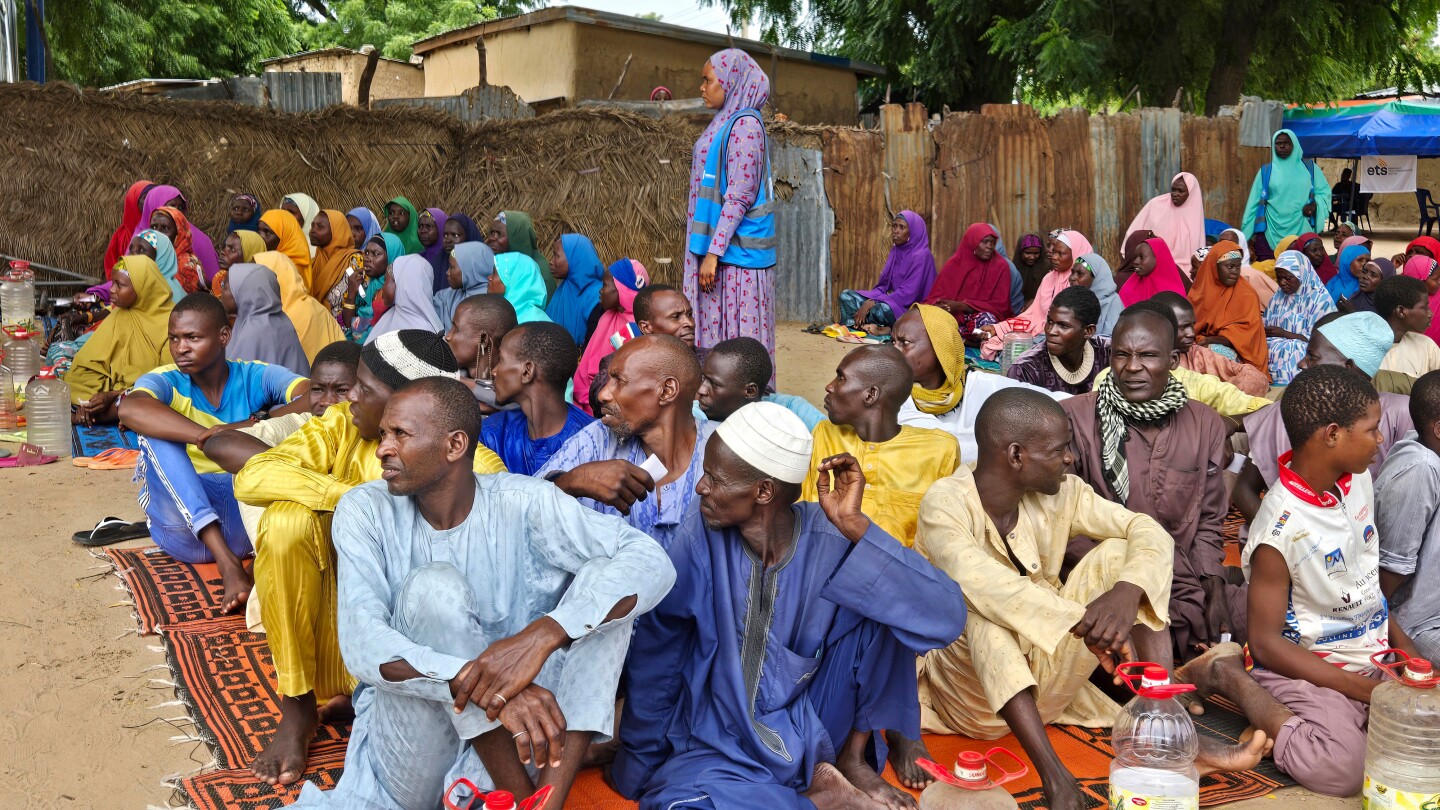
    Residents have developed coping mechanisms that include stacking plastic containers outside homes ready for deployment when taps briefly flow, typically during late nighttime hours. Many depend on private vendors who extract water from boreholes and tanks, though prices have surged from $4 to $10 per 1,000 liters—creating severe financial strain for low-income families.

    Cedric Ndosi from Madale district expresses his holiday concerns: ‘Christmas is here without tap water. We must purchase water for cooking from shops and from trucks for bathing, creating unexpected expenses where we previously allocated funds for celebrations.’

    The crisis disproportionately affects women and small businesses. Food vendors, salon operators, and car wash services have reduced operating hours or increased prices. Furaha Awadhi, a mother of two in Tegeta, confirms the price hikes have fundamentally altered household economics.

    Government officials acknowledge the severity while proposing long-term solutions. Water Minister Juma Aweso revealed plans for dam construction to aggregate freshwater from multiple sources and increased borehole drilling investments to climate-proof the city’s water supply.

    The Dar es Salaam Water and Sanitation Authority has issued apologies and conservation appeals, though critics demand improved communication, transparent rationing schedules, and accelerated infrastructure projects. As temperatures hover around 33°C (91°F), some residents like Joyce Fredrick are temporarily relocating to cooler regions with better water access, clinging to hope that next year will bring improvement to Tanzania’s parched economic capital.

  • Guinea’s junta leader is expected to win first election since 2021 coup

    Guinea’s junta leader is expected to win first election since 2021 coup

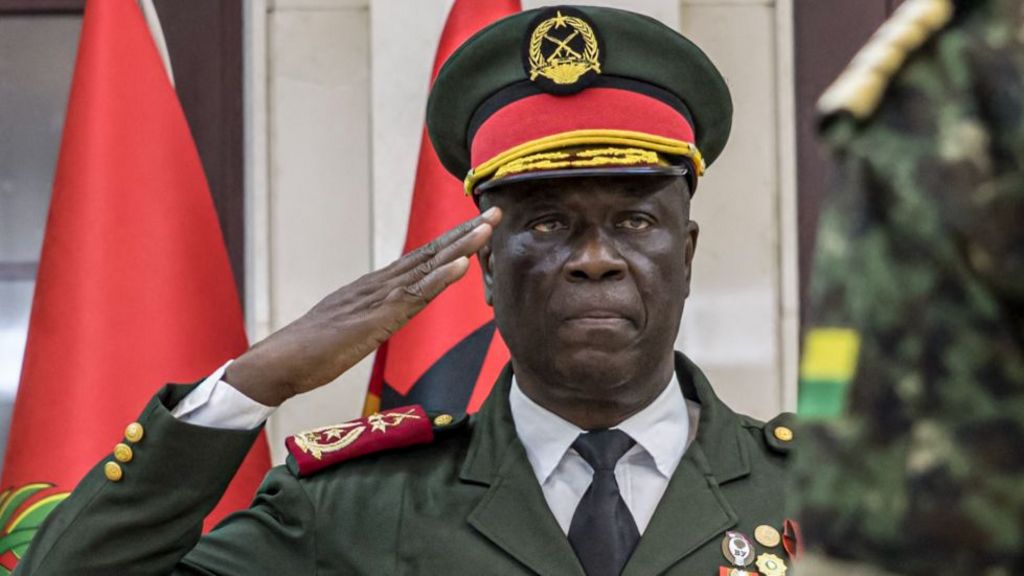
    DAKAR, Senegal — Guinea prepares for a watershed moment in its political history as citizens head to the polls Sunday for the nation’s first presidential election since the 2021 military coup. Junta leader General Mamadi Doumbouya emerges as the overwhelming favorite in an electoral process critics describe as fundamentally compromised.

    The West African nation joins a troubling regional pattern where military leaders have seized power across ten African countries since 2020, often subsequently legitimizing their rule through elections. Since overthrowing President Alpha Condé four years ago, General Doumbouya has systematically suppressed major opposition voices and dissent, creating a political landscape with no formidable challengers to his seven-year term aspirations.

    Despite Guinea’s status as the world’s leading exporter of bauxite—a crucial mineral for aluminum production—the country faces severe socioeconomic challenges. The World Food Program reports over half of Guinea’s 15 million population experiences unprecedented poverty and food insecurity levels.

    Approximately 6.7 million registered voters will cast ballots across 24,000 polling stations nationwide, with preliminary results anticipated within 48 hours. The West African regional bloc ECOWAS has deployed election observers to monitor the process.

    A significantly weakened opposition field features nine candidates, with Doumbouya’s most prominent challenger being relatively unknown figure Yero Baldé from the Democratic Front of Guinea party. Notable exclusions on technical grounds include former prime minister Lansana Kouyaté and former minister Ousmane Kaba, while established opposition leaders Cellou Dalein Diallo and Sidya Toure remain in exile.

    The election occurs under a new constitutional framework approved in a September referendum that opposition parties urged voters to boycott. This revised constitution notably eliminated the prohibition on military leaders seeking office and extended presidential mandates from five to seven years.

    Alioune Tine, founder of West African political think tank Afrikajom Center, expressed skepticism: “This is an election excluding principal opposition leaders occurring within a heavily restricted civic space. The vote primarily serves to legitimize Doumbouya’s consolidation of power.”

    This sentiment resonates with citizens like Conakry restaurant owner Mamadou Bhoye Diallo, who dismissed the election as a “farce” and questioned the integrity of a process where “a candidate simultaneously serves as referee.”

    Human rights organizations document concerning patterns since the coup, including silenced civil society leaders, abducted critics, and press censorship. Authorities previously dissolved over 50 political parties in what they described as “cleaning up the political chessboard” despite widespread condemnation.

    Nevertheless, Doumbouya maintains substantial popular support, particularly among citizens who endorse his vision for national prosperity. His campaign emphasizes infrastructure developments and reforms implemented during his four-year tenure, including digital skills training programs that have resonated with younger voters.

    The junta’s showcase project is the Simandou mining operation—the world’s largest iron ore deposit, 75% Chinese-owned—which commenced production last month after decades of delays. Authorities position this mega-project as an economic transformation cornerstone, with an associated national development plan promising tens of thousands of jobs across agriculture, education, transport, technology, and healthcare sectors.

    Doumbouya’s campaign has dominated Guinea’s political landscape through massive rallies and extensive media coverage, with state media and administrative resources providing him decisive advantages over underfunded rivals.

  • Afcon ‘bringing hope’ to Sudan amid civil war

    Afcon ‘bringing hope’ to Sudan amid civil war

    Amid what the United Nations identifies as the world’s most severe humanitarian catastrophe, Sudan’s national football team has emerged as an unexpected symbol of national unity and hope. Forward Abobaker Eisa, currently playing for Thai club Chonburi after stints with English Football League teams, reveals how Sudan’s qualification for the Africa Cup of Nations provides temporary solace for a nation torn apart by conflict.

    The ongoing civil war, triggered by a violent power struggle between the national army and paramilitary Rapid Support Forces in April 2023, has resulted in catastrophic consequences: over 150,000 fatalities, more than 12 million displaced persons, widespread famine, and reported genocide in Darfur. This devastating context forced Sudan to play all their qualifying matches on foreign soil, making their Afcon qualification—only their fourth since 1976—particularly remarkable.

    Eisa emphasizes the transformative power of football during these dark times: ‘There’s not a lot of smiles at the minute, so we’re trying to use football as a way to get people’s minds off the war. Even qualifying for Afcon and having fans cheer us on—the fact that we’re there is already bringing hope.’

    The team’s preparation reflects the nation’s displacement crisis. Even players from Sudanese clubs Al-Hilal and Al-Merrikh now train abroad due to security concerns, with teams relocating first to Mauritania and subsequently to Rwanda.

    Despite physical distance, the conflict remains emotionally present for players. Eisa acknowledges the complex emotional dynamic: ‘It’s difficult to block the war out. Some people’s families are still there, many have been affected.’ This awareness creates both despair and determination, with players discussing how to assist through donations while recognizing their limitations.

    As the 1970 champions prepare to face Algeria, Equatorial Guinea, and Burkina Faso in the group stage, Eisa confirms every match represents a ‘big deal’ for Sudanese citizens seeking distraction from suffering. His concluding message encapsulates the team’s mission: ‘As long as we go out there and fight for what’s ours, I think everyone will be happy.’

  • Libya’s top military chief, four other officials killed in plane crash in Turkey

    Libya’s top military chief, four other officials killed in plane crash in Turkey

    In a devastating aviation disaster, Libya’s highest-ranking military officer Lieutenant General Mohammed al-Haddad and seven others were killed when their business jet crashed near Ankara on Tuesday evening. The Falcon 50 aircraft, carrying four senior Libyan officials and three crew members, went down approximately 45 miles from the Turkish capital following reported electrical failure.

    The tragedy unfolded shortly after the delegation’s diplomatic meetings with Turkish defense leadership. Turkish Interior Minister Ali Yerlikaya confirmed the aircraft departed Esenboga airport at 17:10 GMT and lost contact 42 minutes into the flight. According to official statements, the pilots reported critical electrical system malfunction 16 minutes after takeoff and requested emergency landing procedures before communications terminated abruptly.

    Eyewitnesses near the crash site in Haymana district described a massive explosion illuminating the night sky. “I heard a tremendous explosion sound—it resembled a detonating bomb,” recounted local resident Burhan Cicek to AFP correspondents. Turkish security forces rapidly located the wreckage and initiated comprehensive investigation procedures under the Ankara chief prosecutor’s supervision.

    The deceased delegation included Major General Al-Fitouri Ghraibil, Major General Mohammed Jumaa, and senior advisor Mohammed Al-Assawi, representing devastating losses to Libya’s military leadership structure. Libyan Prime Minister Abdulhamid Dbeibah expressed profound grief on social media, acknowledging the immense tragedy for the nation’s armed forces.

    This catastrophe occurs amid Libya’s protracted political division between the UN-recognized government in Tripoli and Khalifa Haftar’s eastern administration. Turkey maintains significant military and economic ties with the Tripoli government while recently engaging in diplomatic overtures to eastern factions, highlighting the complex geopolitical landscape surrounding this incident.

  • Gold tops $4,500 for first time on rate cut bets, geopolitics

    Gold tops $4,500 for first time on rate cut bets, geopolitics

    In a historic market movement, gold prices shattered the $4,500 barrier during Asian trading hours on Wednesday, December 24, 2025, establishing a new peak at $4,519.78 per ounce. This landmark achievement extends a powerful rally that has propelled the precious metal’s value by over 70 percent since the commencement of 2025, marking one of its most robust annual performances.

    The unprecedented surge is primarily driven by a confluence of two major factors. Firstly, growing market optimism surrounds the anticipated continuation of interest rate cuts by the U.S. Federal Reserve in the coming year. Lower interest rates diminish the opportunity cost of holding non-yielding assets like gold, thereby enhancing its appeal to investors seeking value storage. Secondly, escalating geopolitical friction, particularly a notable flare-up in tensions between the United States and Venezuela, has triggered a classic flight to safety. Investors traditionally flock to gold during periods of global uncertainty, reinforcing its status as a premier safe-haven asset.

    This record-breaking performance underscores a significant shift in investor sentiment and strategic portfolio allocation. Analysts are monitoring whether this momentum can be sustained, viewing the $4,500 level as a critical psychological and technical threshold. The event signals deep-seated expectations for a softer U.S. monetary policy and reflects ongoing nervousness within global markets regarding political instability.

  • Mozambique target historic first Afcon win in Morocco

    Mozambique target historic first Afcon win in Morocco

    Mozambique’s national football team approaches the 2025 Africa Cup of Nations with unprecedented optimism despite being drawn in the tournament’s most challenging group. Former international star Manuel ‘Tico Tico’ Bucuane reveals the growing belief within the squad that they can achieve their first-ever knockout stage appearance.

    The Mambas face formidable opponents in Group F, including defending champions Ivory Coast, five-time winners Cameroon, and Gabon led by superstar Pierre-Emerick Aubameyang. This daunting challenge comes despite Mozambique’s historical struggles at the continental showcase—having never advanced beyond the group stage in five previous attempts and still seeking their first victory after 15 matches (5 draws, 10 losses).

    Bucuane, who scored Mozambique’s inaugural Afcon goal in 1996, emphasizes the significance of qualification itself: “Mozambique doesn’t always play at this level so whenever the team qualifies, it’s a big achievement for the country.” The retired striker notes substantial progress under coach Chiquinho Conde, who took charge in October 2021, particularly through strategic naturalization of players from diverse football environments.

    A transformative factor in Mozambique’s development has been the breakthrough of players in elite European competitions. Left-back Reinildo made history as the first Mozambican Premier League player with his Sunderland debut in August following a transfer from Atletico Madrid. Meanwhile, defender Bruno Langa (Pafos) and forward Geny Catamo (Sporting CP) have gained valuable Champions League experience this season.

    “Reinildo playing in the Premier League is a huge thing for the country,” Bucuane stated. “He’s really carrying the Mozambique flag and opening that door in England. All that experience these players are gaining they’re bringing back to the national team.”

    The team’s recent performances have fueled optimism, including holding African powerhouses Egypt and Ghana to draws during the 2023 edition. This marked the first time Mozambique achieved back-to-back Afcon qualifications since 1998, demonstrating consistent progress in their football development.

    Bucuane, whose iconic 1996 goal remains etched in national memory, emphasizes football’s social significance: “Mozambique goes through a lot of challenges socially and football is the light that comes to shine on the people. We’re all behind the team and looking forward to our first Afcon victory.”

    The Mambas begin their campaign against Ivory Coast on December 25th, followed by matches against Gabon (December 28th) and Cameroon (December 31st), carrying the hopes of a nation eager to rewrite its football history.