
Dubai has unveiled an ambitious new initiative, ‘Circle Dubai,’ aimed at significantly reducing daily waste generation across the emirate. Spearheaded by Dubai Municipality, the program targets a reduction from 2.2 kilograms of waste per person per day to 1.76 kilograms, marking a pivotal step toward sustainable waste management and the transition to a circular economy. This initiative comes in response to Dubai’s status as one of the world’s highest per-capita waste generators, producing approximately 13,000 tonnes of waste daily. Through ‘Circle Dubai,’ authorities aim to curb waste production, enhance recycling rates, and foster widespread community participation across various sectors. Key strategies include the installation of smart recycling bins in public and residential areas, along with the distribution of waste segregation containers to institutions. The initiative aligns with the Dubai Integrated Waste Management Strategy 2041 and the broader Dubai Urban Plan 2040, which envision a 100% diversion of solid waste from landfills by 2041. Eng. Mohammed Alrayees, Director of the Waste Strategy and Projects Department at Dubai Municipality, emphasized the program’s focus on transforming waste into a valuable resource. ‘Waste is no longer just waste — it’s a resource,’ he stated, highlighting the importance of proper waste segregation and community engagement. To drive participation, Dubai Municipality has introduced the Learning Material System (LIMS), enabling residents to become DM Ambassadors and promote door-to-door waste segregation. The initiative underscores Dubai’s commitment to sustainability, innovation, and global leadership in circular economy practices.
标签: Africa
非洲
-

Barca’s Yamal can learn Clasico lessons after Madrid triumph
Lamine Yamal, Barcelona’s 18-year-old rising star, found himself at the center of controversy following Real Madrid’s 2-1 victory in the latest Clasico clash. Yamal’s pre-match comments, where he jokingly accused Real Madrid of ‘stealing’ and ‘complaining,’ sparked widespread criticism and drew the ire of the Santiago Bernabeu crowd. The teenager, who has enjoyed a meteoric rise in his career, faced a harsh reality check as his subdued performance mirrored the intense scrutiny he faced. Madrid players, led by captain Dani Carvajal, confronted Yamal after the match, highlighting the heated nature of the rivalry. Barcelona’s assistant coach, Marcus Sorg, acknowledged that the hostile atmosphere likely affected Yamal’s performance, stating, ‘He is learning to deal with the crowd, the shouting, and whistles from spectators.’ Yamal, who has previously thrived in high-pressure situations, including winning Euro 2024 with Spain and a domestic treble with Barcelona, now faces the challenge of navigating the intense spotlight of one of football’s fiercest rivalries. Real Madrid’s Jude Bellingham, the match-winner, subtly responded to Yamal’s comments with a post-match Instagram message: ‘Talk is cheap.’ Meanwhile, Barcelona midfielder Frenkie de Jong criticized Carvajal for publicly confronting Yamal, suggesting such discussions should remain private. Despite the criticism, Real Madrid’s Aurelien Tchouameni downplayed the significance of Yamal’s remarks, stating they served as motivation rather than provocation. Yamal’s performance, hampered by a recent groin injury, was uncharacteristically lackluster, with Madrid’s defensive strategies limiting his impact. Sorg emphasized the need for Yamal to regain his rhythm and adapt to the increased attention from opponents. While Yamal’s outspoken nature has made him a compelling figure both on and off the pitch, this experience will undoubtedly shape his growth as a player in the months ahead.
-

Youth leads GCC spending boom to outperform global peers
The Gulf Cooperation Council (GCC) is poised to experience a sustained consumer boom, driven by its youthful, expanding, and increasingly affluent population. This demographic advantage positions the region to outperform many advanced economies in consumer spending over the coming decades. According to Oxford Economics, robust demographics, rising labor participation, and sustained migration flows are fueling household income and demand across all sectors. Azad Zangana, Head of GCC Macroeconomic Analysis at Oxford Economics, highlights that the region’s favorable age profile, with an average age of 30.7 years in 2024, provides a significant head start into prime earning and spending years. By contrast, the United States and China face aging populations, with average ages of 38.3 and 39.6 years, respectively. Structural enablers such as high inward migration, rising female labor participation, and improved educational attainment further bolster the GCC’s consumer spending trajectory. The World Bank forecasts regional growth at 3.2% in 2025, rising to 4.5% in 2026, driven by private consumption and investment. The GCC retail market is projected to grow at a compound annual growth rate (CAGR) of 4.6% through 2028, exceeding $390 billion. Saudi Arabia and the UAE dominate retail sales, accounting for three-quarters of the market. Food retail alone was valued at $127.2 billion in 2023 and is expected to reach $162 billion by 2028. The region’s low age-dependency ratio (32.1 in 2024, projected to rise only to 35.1 by 2050) contrasts sharply with high-income countries, where ratios often exceed 50 or 60. This demographic edge reduces pension and healthcare burdens, freeing up disposable income for goods, services, and lifestyle upgrades. Migrant workers contribute significantly to aggregate demand, while nationals and long-term expatriates drive spending on travel, dining, e-commerce, and luxury goods. Rising female workforce participation further amplifies the consumption engine. Despite global economic challenges, the GCC’s luxury and personal-care markets remain resilient, supported by rising wealth and population growth. GDP per capita in the region stood at $70,300 in 2023, with a population CAGR of 1.5% expected to reach over 62.5 million by 2028. For investors and brands, the GCC represents a growth-oriented market with healthy household balance sheets and strong consumer confidence. In the UAE, 60% of residents expect financial improvement, compared to 37% globally, while 42% plan to increase spending, versus 22% globally. Policymakers and analysts recognize that the GCC’s future lies not only in hydrocarbons but also in human capital and consumption growth. The region’s unique combination of favorable demographics, rising incomes, and structural retail expansion creates a compelling investment case. As advanced economies grapple with aging populations and stagnant growth, the GCC is set to maintain its consumer sector’s outperformance, driven by a youthful, dynamic population with the capacity to consume and thrive.
-
Juventus sack coach Tudor after eight-match winless run
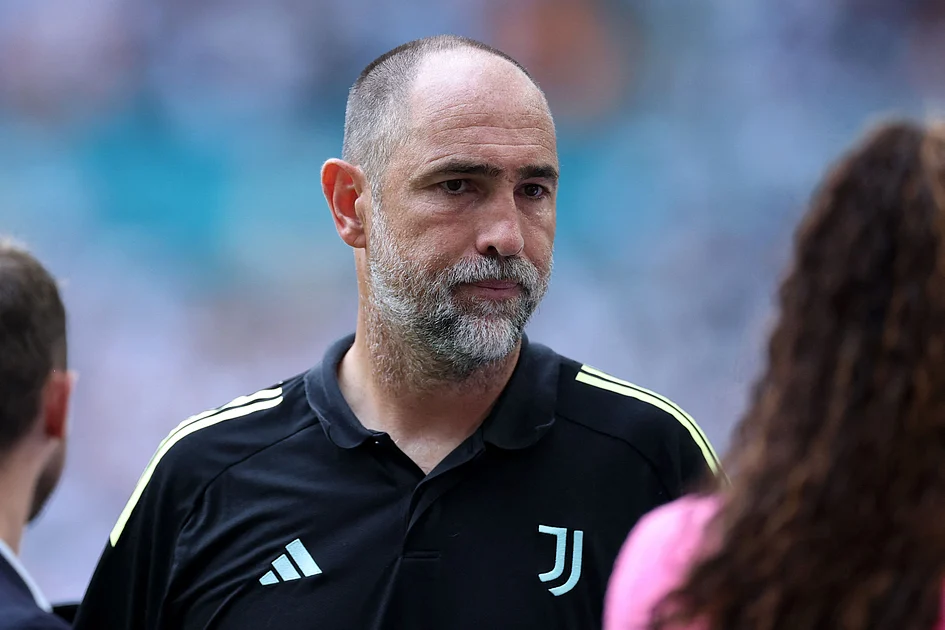
Juventus Football Club has announced the termination of head coach Igor Tudor’s contract after a disappointing eight-match winless run across all competitions. The decision was made public on Monday, with the club confirming that Tudor and his coaching staff have been relieved of their duties. Massimo Brambilla, the head coach of the reserve team, will step in as interim manager for the first team. Tudor, a former Juventus player who spent nearly a decade at the club, was appointed as head coach in March, succeeding Thiago Motta. He became the first foreign manager to lead Juventus since Didier Deschamps in the 2006-07 season. Despite guiding the team to a fourth-place finish in Serie A last season and securing Champions League qualification, Juventus’ performance has significantly declined in recent weeks. After a strong start with three consecutive league victories, the team has since drawn five matches and suffered three consecutive defeats to Como, Real Madrid, and Lazio. Tudor acknowledged the team’s struggles in a post-match interview following the loss to Lazio, stating, ‘We prepared well, but something is still missing. There’s no need to dramatize; we’re all responsible for this difficult period.’ Juventus, currently eighth in the Serie A standings and six points behind leaders Napoli, will face Udinese on Wednesday as they aim to turn their season around.
-

Dubai’s visionary drive: Building infrastructure for global impact
Dubai’s Roads and Transport Authority (RTA) has transformed the emirate into a global leader in urban infrastructure and sustainable mobility, marking two decades of visionary development. Under the guidance of Dubai’s leadership, the RTA has invested Dh175 billion in creating an integrated transport network that includes the Dubai Metro, tram systems, and a world-class road network spanning over 25,000 lane-kilometres. These initiatives have not only enhanced the quality of life for residents but also positioned Dubai as one of the most liveable cities in the world.
-
Dubai teen’s AI project becomes a hub of learning in rural Bihar
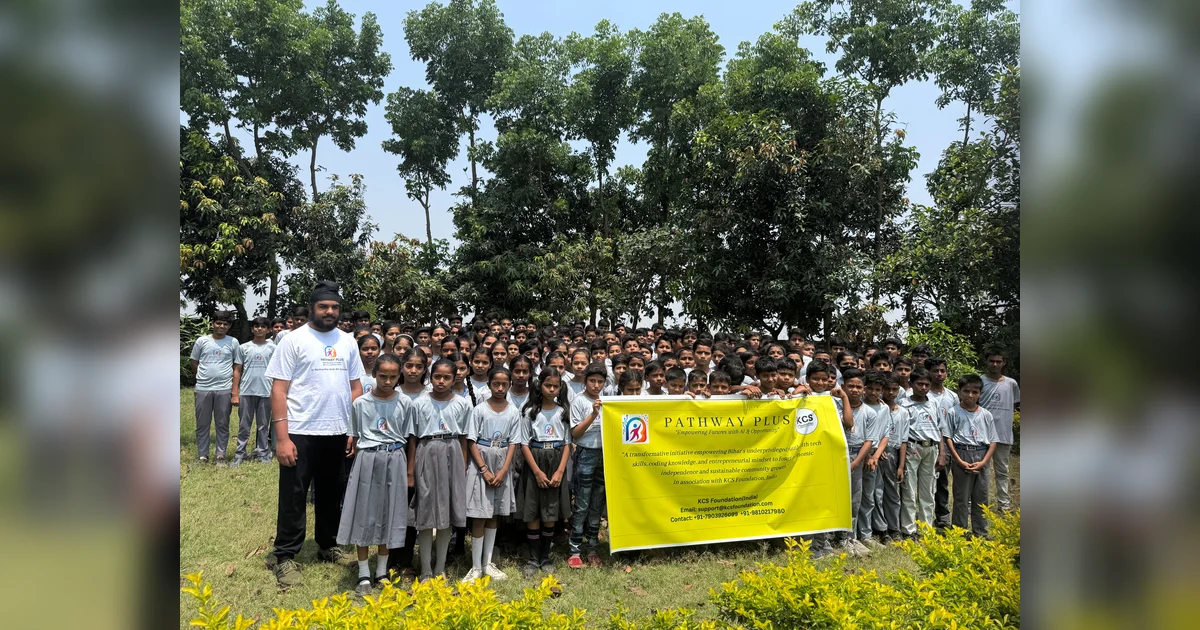
Seventeen-year-old Sumair Kandhari, a Dubai resident and student at Sevenoaks School in the UK, is making waves with his innovative project, Pathways Plus, which is revolutionizing education in Bihar, one of India’s most underserved regions. Launched in collaboration with KCS Foundation India, the initiative has established a fully equipped 20-desk digital lab, serving as a hub for structured, hands-on learning for rural students. Sumair’s project, initially funded through his own efforts, now offers a comprehensive 2.5-month training program that teaches basic computing, Python programming, and practical AI applications. This initiative is empowering students with digital fluency, creative confidence, and access to opportunities previously beyond their reach. Sumair’s vision has already impacted thousands of students, with plans to expand across multiple schools, setting a precedent for grassroots tech education. Beyond Bihar, Sumair is also developing a mobile app for Gurduwara Guru Nanak Darbar Dubai, aiming to modernize community engagement and integrate spiritual connection into the digital age.
-
AU renews calls for lifting of sanctions on Zimbabwe
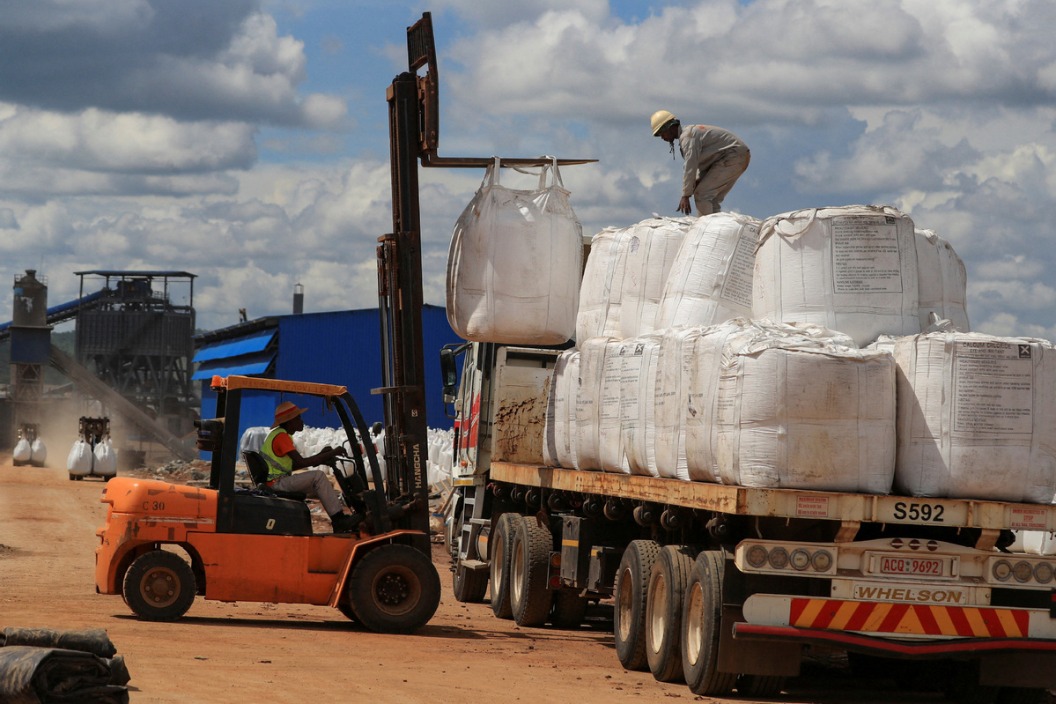
The African Union (AU) has once again called for the immediate and unconditional removal of sanctions on Zimbabwe, emphasizing the detrimental impact these measures have had on the nation’s socio-economic development. Speaking during the Southern African Development Community (SADC) Anti-Sanctions Day on Saturday, AU Commission Chairperson Mahmoud Ali Youssouf highlighted the prolonged suffering of Zimbabwe’s people and economy due to these ‘coercive measures.’ Youssouf underscored that the sanctions have severely restricted Zimbabwe’s access to international finance, deterred foreign direct investment, and increased the cost of doing business, thereby hindering regional progress. While the statement did not specify the countries imposing the sanctions, the United States has been a key enforcer since 2001 under the Zimbabwe Democracy and Economic Recovery Act. Zimbabwean President Emmerson Mnangagwa, addressing the nation during Anti-Sanctions Day events in Harare, reiterated the country’s resilience in pursuing economic growth despite these ‘illegal sanctions.’ He argued that the sanctions were imposed as punishment for Zimbabwe’s assertion of sovereignty and its pursuit of equitable development. Mnangagwa pointed to progress in food security and agricultural self-sufficiency through climate-resilient programs but lamented the continued barriers to accessing global credit and financial markets. The AU has pledged unwavering support for Zimbabwe, vowing to mobilize international backing until the sanctions are fully lifted. Meanwhile, Zimbabwean civil society groups, such as Citizens Against Economic Sanctions, have echoed the call for the unconditional removal of these measures, emphasizing their ongoing negative impact on economic growth and social development.
-
Pakistan central bank holds interest rate at 11% for fourth time in a row
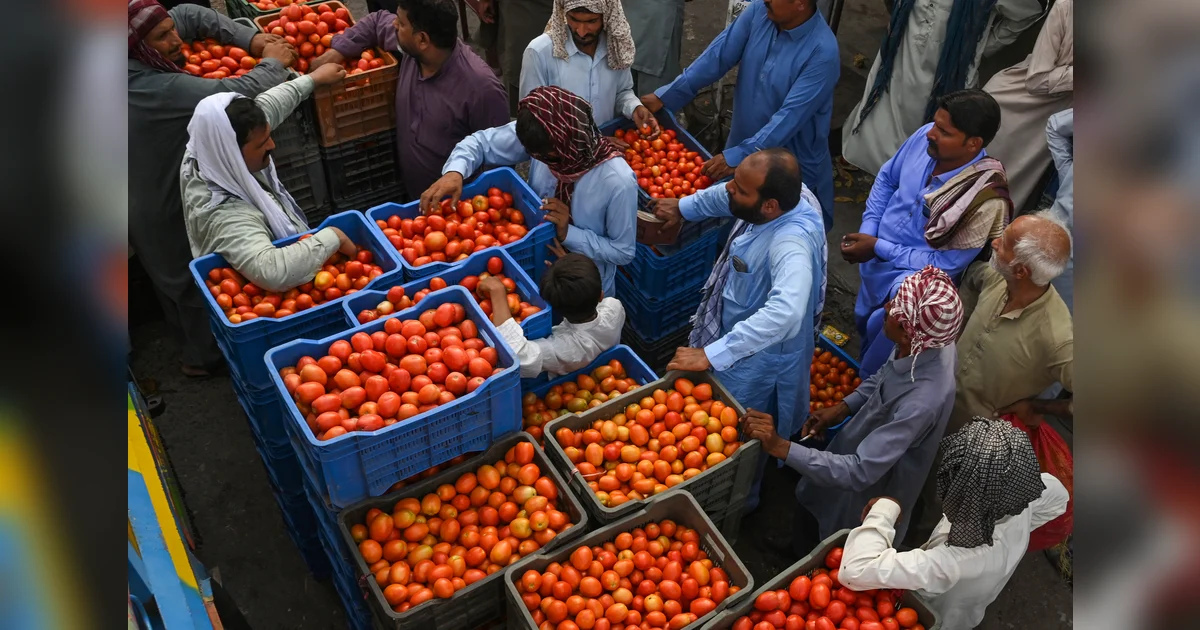
The State Bank of Pakistan (SBP) has decided to keep its benchmark interest rate unchanged at 11% for the fourth consecutive time, signaling confidence in the country’s economic recovery. This decision, announced on Monday, comes as recent floods had a less severe impact on crops than initially feared, while inflation, growth, and foreign exchange reserves continue to show positive trends. The central bank emphasized that its policy aims to sustain price stability, with earlier rate reductions still influencing the economy. Analysts unanimously anticipated the rate hold, reflecting broader optimism about Pakistan’s macroeconomic conditions. The SBP revised its GDP growth forecast for fiscal year 2026 to the upper half of its earlier 3.25–4.25% range, citing improved crop yields, industrial activity, and high-frequency indicators. However, inflation is expected to remain above the 5–7% target range for the next few months before stabilizing within it in the following fiscal year. Risks such as volatile global commodity prices, energy price adjustments, and uncertainties around food prices were highlighted. The bank also noted that post-flood rehabilitation spending is likely to be managed within budgeted resources, urging fiscal discipline to ensure long-term sustainability. Foreign exchange reserves are projected to rise to $15.5 billion by December 2025 and $17.8 billion by June 2026, supported by official inflows. Since peaking at 22% in June 2024, the SBP has reduced rates by 1,100 basis points, with the last cut in May.
-

Judge seeks assurances that Abrego Garcia won’t be deported to Liberia in violation of court order
In a recent court hearing in Maryland, U.S. District Judge Paula Xinis sought assurances from the government that Kilmar Abrego Garcia, a Salvadoran national, would not be deported to Liberia before she lifts an injunction preventing his removal. Immigration and Customs Enforcement (ICE) had announced plans to deport Abrego Garcia to Liberia as early as Friday, marking the latest in a series of African countries considered for his deportation. Abrego Garcia, who has lived in Maryland for years with his American wife and child, initially entered the U.S. illegally as a teenager. In 2019, an immigration judge granted him protection from deportation to El Salvador, where he faces a credible threat of gang violence. Earlier this year, his mistaken deportation to El Salvador, where he was detained in a notorious prison despite having no criminal record, sparked public outrage and led to his return to the U.S. in June. During the hearing, Judge Xinis questioned why the government is not deporting Abrego Garcia to Costa Rica, a country he is willing to go to, rather than Liberia. She noted the significant resources being expended in the legal battle over his deportation. Government attorneys did not provide a clear answer but indicated that details might be included in an upcoming court filing. Abrego Garcia’s attorney, Simon Sandoval-Moshenberg, expressed concerns about the assurances provided by the Liberian government, hinting that they might only agree to host him temporarily. The case highlights ongoing controversies over the Trump administration’s deportation agreements with third countries, which advocacy groups argue violate due process rights. Meanwhile, Abrego Garcia has applied for asylum in the U.S. and faces separate charges of human smuggling in Tennessee, which he denies.
-
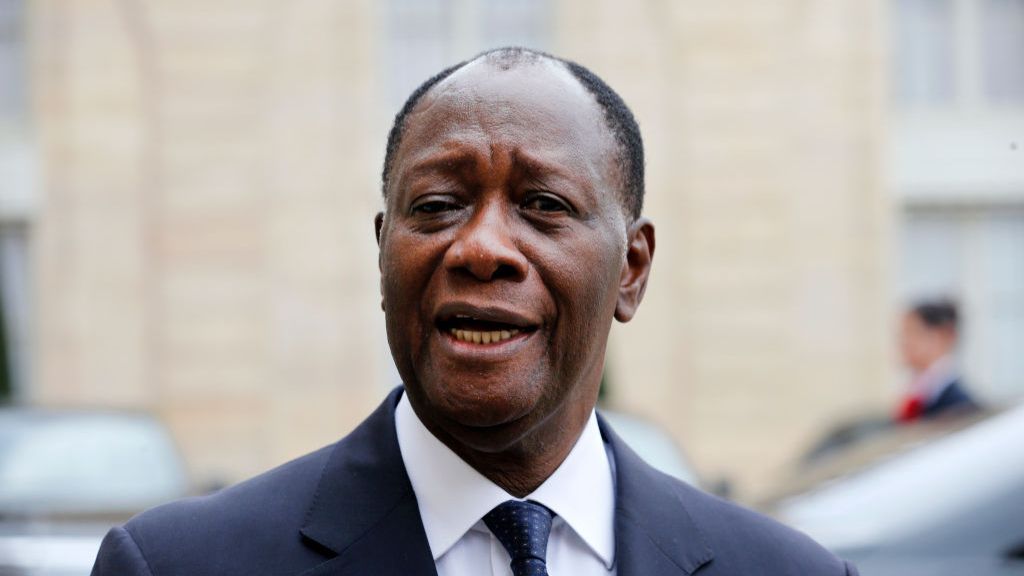
Ivory Coast president, 83, secures fourth term after two rivals barred
Ivory Coast President Alassane Ouattara has clinched a fourth term in office, according to provisional election results released on Monday. The 83-year-old leader secured a staggering 89.8% of the vote, while his closest competitor, businessman Jeal-Louis Billon, trailed far behind with just 3.09%. The election was marred by controversy, as two prominent opposition figures—former President Laurent Gbagbo and ex-Credit Suisse CEO Tidjane Thiam—were barred from running and subsequently called for a boycott. Voter turnout was notably low at 50.1%, reflecting widespread discontent. The opposition coalition, led by Gbagbo and Thiam, has labeled the election a ‘civilian coup d’etat’ and vowed not to recognize Ouattara’s victory. Ouattara first came to power in 2011 after Gbagbo was arrested for refusing to concede defeat in the 2010 election. Despite a constitutional two-term limit, a 2016 amendment allowed Ouattara to run again in 2020, a move that also faced opposition boycotts. The final results will be confirmed by the Constitutional Council after reviewing any election petitions.