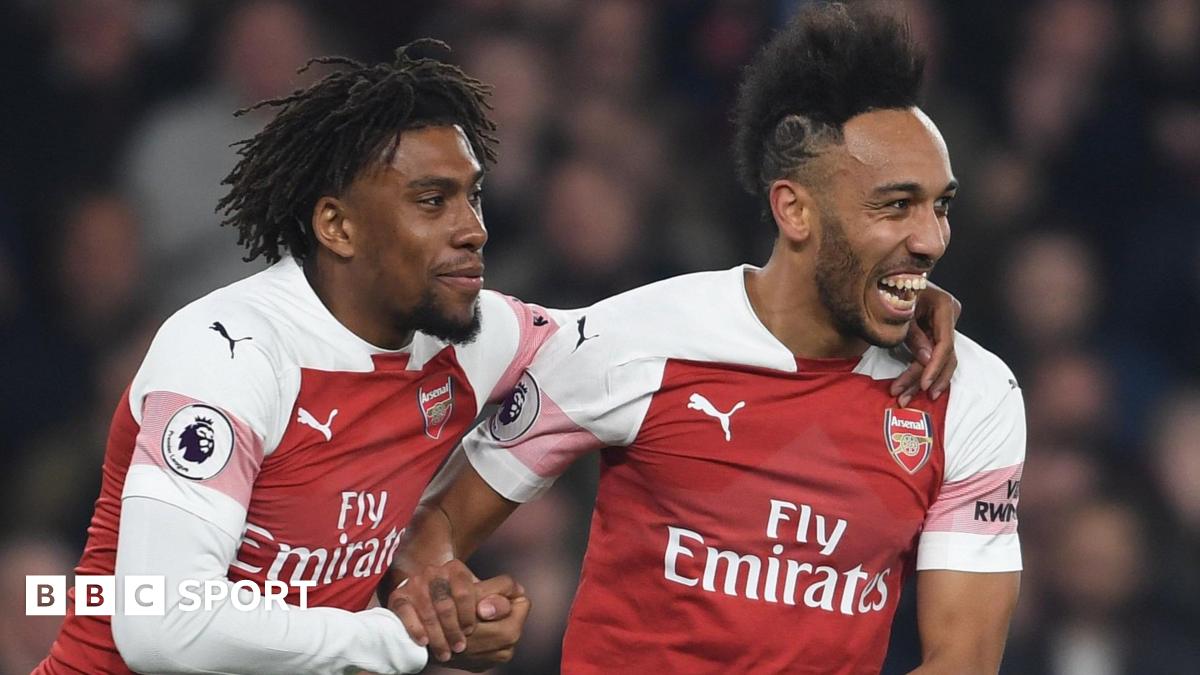
Nigeria’s journey to the 2026 FIFA World Cup has been nothing short of a rollercoaster. After a dismal start to their qualifying campaign, which saw the Super Eagles secure just three points from their first four matches, their hopes were reignited by a dramatic injury-time goal in their final group game against Benin. Brentford’s Frank Onyeka’s strike sealed a 4-0 victory, propelling Nigeria into the African play-offs as runners-up in Group C on goal difference. Now, the team faces a new challenge: stopping Gabon’s Pierre-Emerick Aubameyang in their play-off semi-final in Morocco. Aubameyang, a former Arsenal teammate of Nigeria’s Alex Iwobi, has been in stellar form, scoring seven goals in World Cup qualifying, including four in a single match against The Gambia. The 36-year-old Gabon captain is determined to lead his nation to their first-ever World Cup appearance. Iwobi, who shared the pitch with Aubameyang during their time at Arsenal, spoke highly of his former teammate, describing him as a ‘great person off the pitch’ and a mentor who encouraged him to express himself on the field. Despite the camaraderie, Iwobi acknowledged the difficulty of containing Aubameyang, stating, ‘I don’t know how we’re going to lock him up.’ Nigeria’s path to the World Cup remains arduous. After missing out on automatic qualification by finishing second in Group C behind South Africa, they must first overcome Gabon and then the winner of the Cameroon vs. DR Congo match to advance to an intercontinental qualifier in March. Should they succeed, Nigeria’s world ranking would likely pit them against a team from Asia, Oceania, South America, or the Concacaf region, with the victors securing a spot in the expanded 48-team tournament. Nigeria’s resurgence under coach Eric Chelle has been pivotal. Appointed in January, Chelle has led the team to an unbeaten run in six competitive games, fostering a positive atmosphere within the squad. Iwobi praised Chelle’s leadership, likening him to a ‘big brother’ who motivates the players to fight for both Nigeria and their coach. Despite the challenges, Iwobi remains optimistic about Nigeria’s chances, emphasizing the team’s determination to prove their worth on the international stage.
标签: Africa
非洲
-
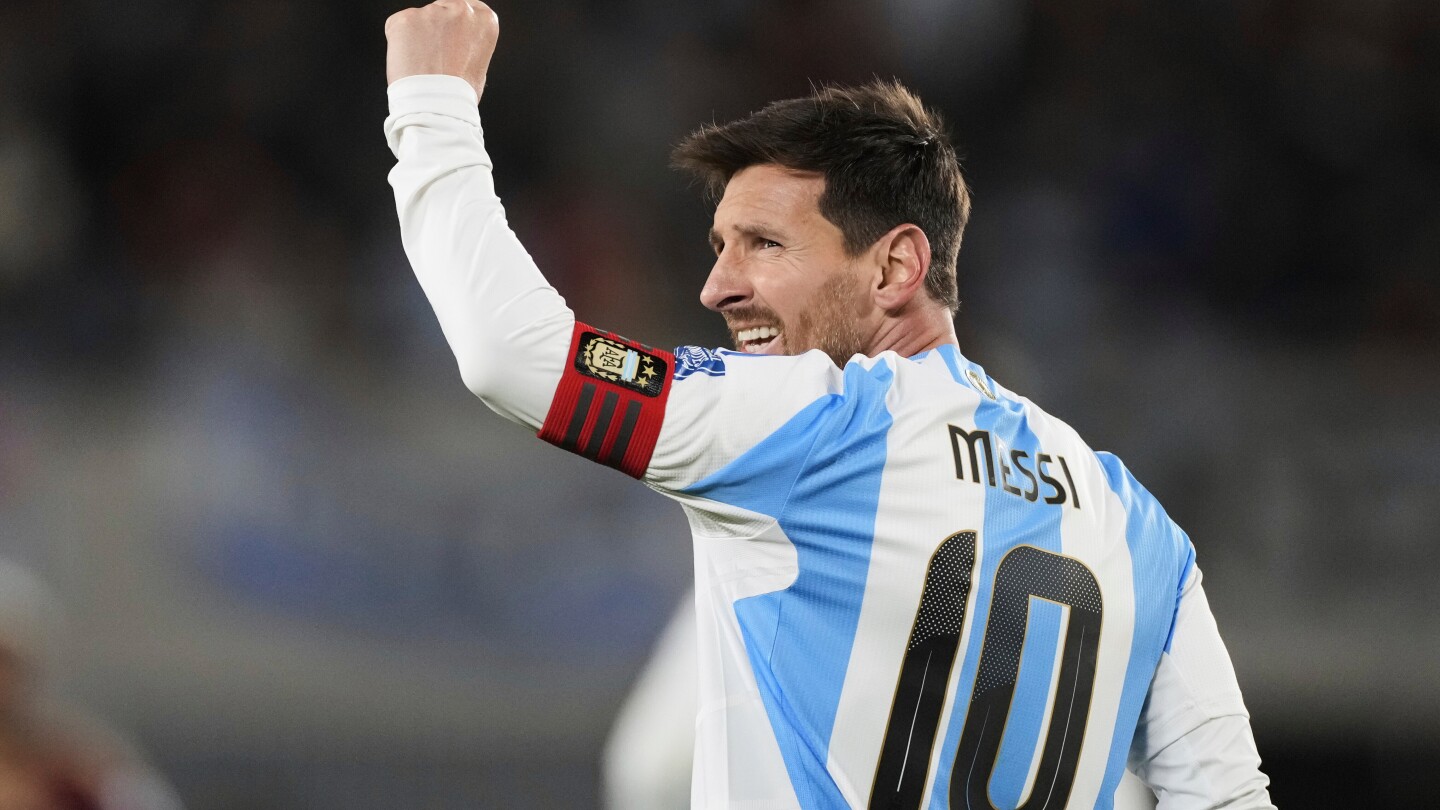
Messi and Argentina’s soccer team are special guests for Angola’s independence anniversary
In a grand celebration of its 50th anniversary of independence from Portugal, Angola is set to host Lionel Messi and the World Cup-winning Argentina national soccer team as special guests this week. The festivities, which commenced on Wednesday, will feature an exhibition match between Angola’s national team and Argentina on Friday at the iconic 11 November Stadium in Luanda, named in honor of the country’s independence day. Reports indicate that Angola has invested a staggering $13 million to secure the participation of the reigning world champions. The Argentine squad is scheduled to arrive in Angola on Thursday, as confirmed by the Argentine soccer federation. The celebrations kicked off with a ceremonial event at Republic Square in Luanda, where President João Lourenço presided over the raising of a massive Angolan flag by soldiers. Angola gained independence on November 11, 1975, but the nation was soon engulfed in a brutal civil war that claimed the lives of an estimated 500,000 to 1 million people before finally concluding in 2002. Since independence, the oil-rich nation has been governed by the People’s Movement for the Liberation of Angola (MPLA), the sole ruling party.
-
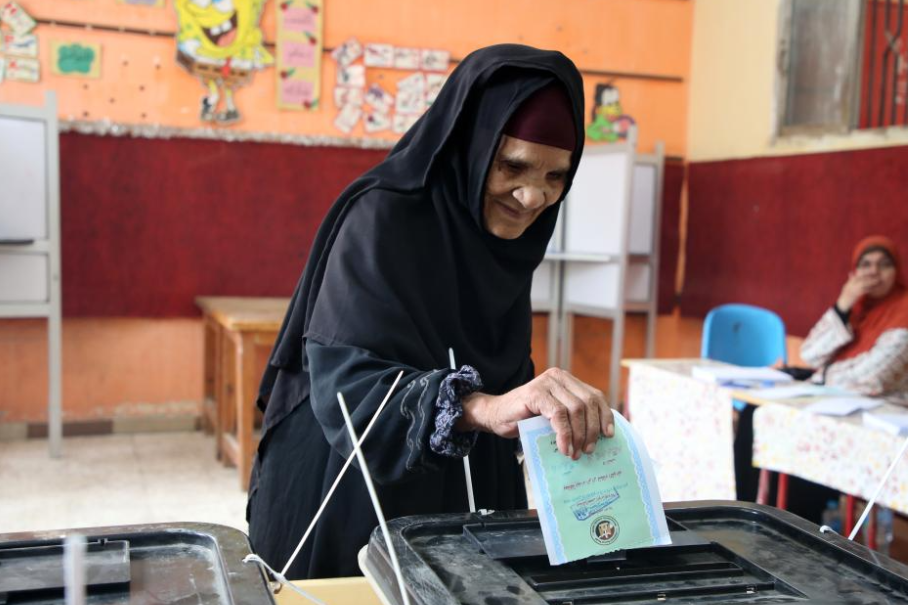
Egypt kicks off 1st phase of parliamentary elections
Egypt has officially commenced the first phase of its 2025 House of Representatives elections, marking a significant step in the nation’s democratic process. The voting period, which began on Monday, November 10, 2025, and concluded on Tuesday, saw the participation of over 35 million eligible voters across 14 governorates. These regions include Giza, Fayoum, Beni Suef, Minya, Assiut, New Valley, Sohag, Qena, Luxor, Aswan, Red Sea, Alexandria, Beheira, and Matrouh. The House of Representatives, consisting of 568 members, is elected through a dual system: 284 members via a closed-list system and another 284 through an individual system, with additional members appointed by the president. Notably, Egyptian expatriates cast their votes on November 7 at embassies and consulates worldwide. The second phase of the elections is scheduled for November 21-22 for expatriates and November 24-25 for citizens in the remaining 13 governorates. This electoral process underscores Egypt’s commitment to fostering political participation and representation.
-
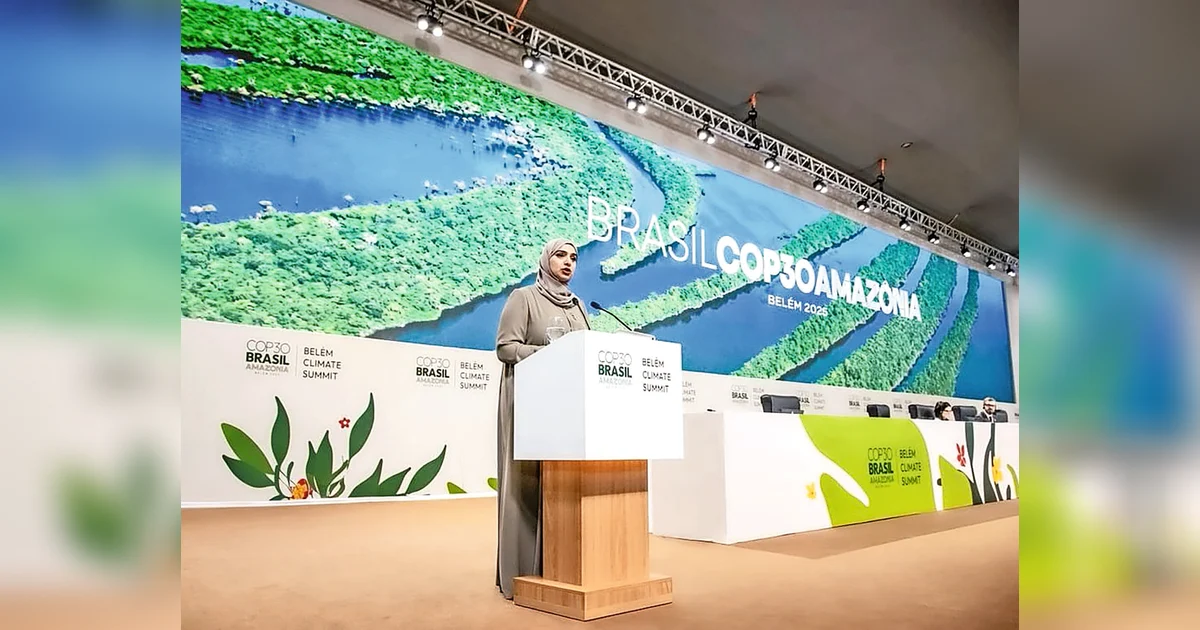
Join the global efforts against climate change, says UAE
The Belém Climate Summit, held on November 6-7, 2025, in the Brazilian Amazon, marked a pivotal moment in the global fight against climate change. Convened by Brazil’s President Luiz Inácio Lula da Silva, the event brought together heads of state, ministers, and international leaders to address pressing environmental challenges and solidify commitments to sustainability. Representing the UAE, Dr. Amna bint Abdullah Al Dahak, Minister of Climate Change and Environment, and Razan Khalifa Al Mubarak, Special Envoy of the Minister of Foreign Affairs for Nature, underscored the nation’s leadership in climate action. Dr. Al Dahak delivered the UAE’s national statement, emphasizing transparency and the inclusion of all six greenhouse gases in the country’s climate reporting. She highlighted the UAE’s comprehensive efforts, including clean energy projects, agricultural transformation, and infrastructure initiatives, as a model for global sustainability. The minister urged nations to enhance their Nationally Determined Contributions (NDCs) and embrace adaptation indicators to measure collective progress. Razan Al Mubarak, at the launch of the Tropical Forests Forever Facility (TFFF), reiterated the UAE’s commitment to halting deforestation by 2030, a goal aligned with the COP28 UAE Consensus. The summit also focused on energy transition, with Dr. Al Dahak advocating for universal energy access and security while reaffirming the UAE’s pledge to limit global temperature rise to 1.5°C. The event served as a precursor to COP30, set to take place in Belém from November 6-21, 2025, where global leaders will discuss progress on climate finance and NDCs.
-
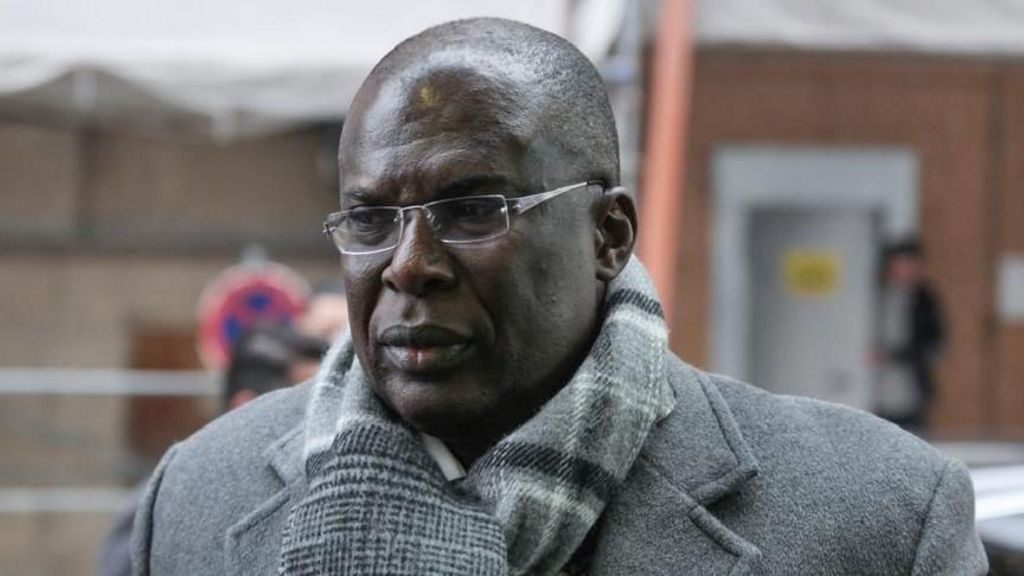
Anger over ‘wanted notice’ for Nigeria’s ex-oil minister Timipre Sylva
Nigeria’s former oil minister, Timipre Sylva, has been issued an arrest warrant by the country’s anti-corruption agency, the Economic and Financial Crimes Commission (EFCC), over allegations of diverting $15 million in public funds intended for an oil refinery project. Sylva’s spokesperson, Julius Bokoru, has dismissed the charges as politically motivated, asserting that the refinery project was legitimate and fully documented. Bokoru revealed that Sylva is currently in the UK for a medical check-up and plans to engage with the EFCC upon his return. He criticized the agency for not contacting Sylva directly and accused them of using social media to ‘inflame public sentiment’ by issuing a ‘wanted notice.’ The EFCC’s notice follows a warrant issued by a High Court in Lagos last Thursday. Sylva, who served as petroleum minister from 2019 to 2023 under former President Muhammadu Buhari, has a long political history, including a term as governor of Bayelsa state, a key oil-producing region. The case has sparked debate over the transparency of Nigeria’s anti-corruption efforts and the potential politicization of such investigations.
-
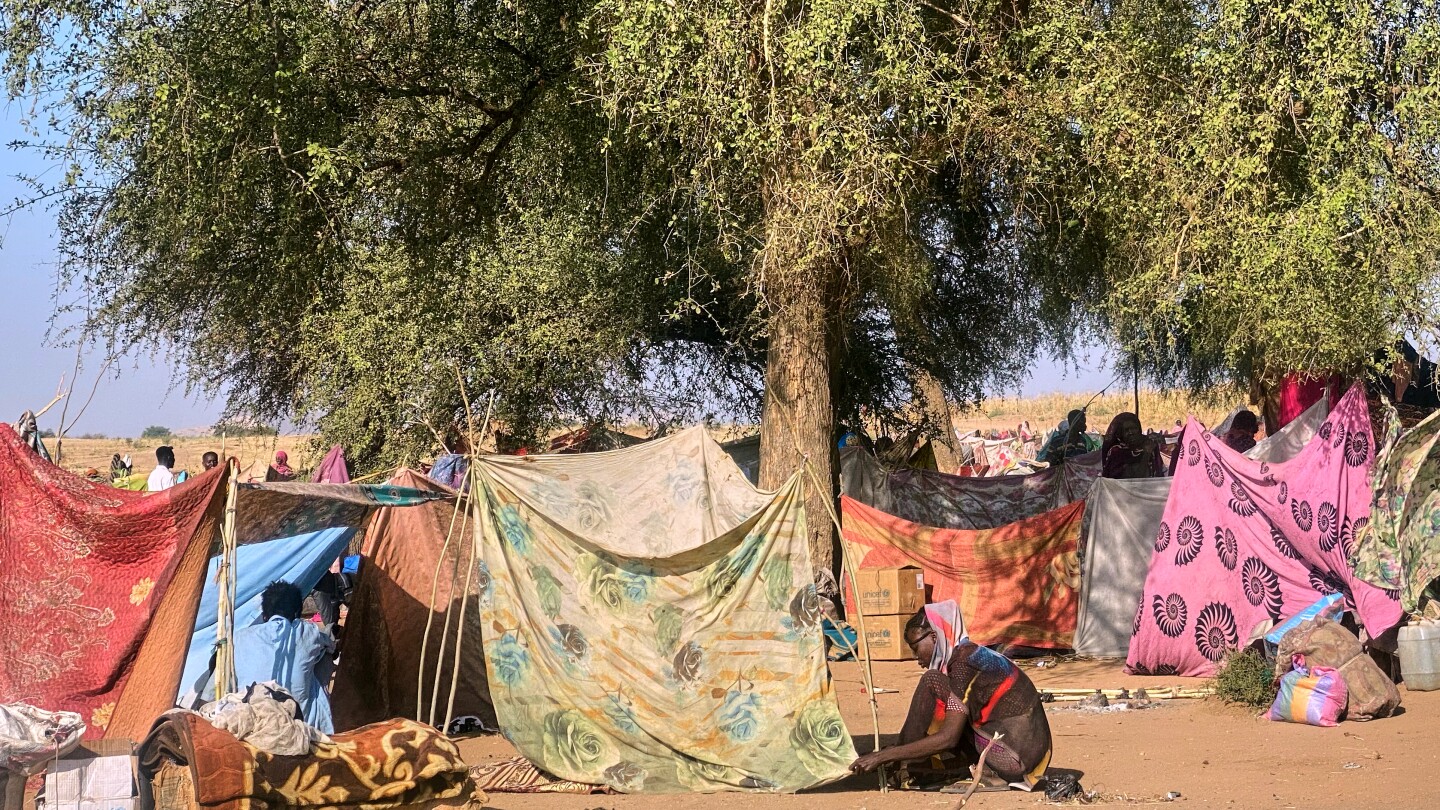
Sudan relief operations are ‘on the brink of collapse,’ UN migration agency warns
The International Organization for Migration (IOM) issued a stark warning on Tuesday, highlighting the dire state of humanitarian operations in Sudan’s war-torn North Darfur region. The agency emphasized that unless immediate funding and secure access for relief supplies are guaranteed, aid efforts could grind to a complete halt.
-
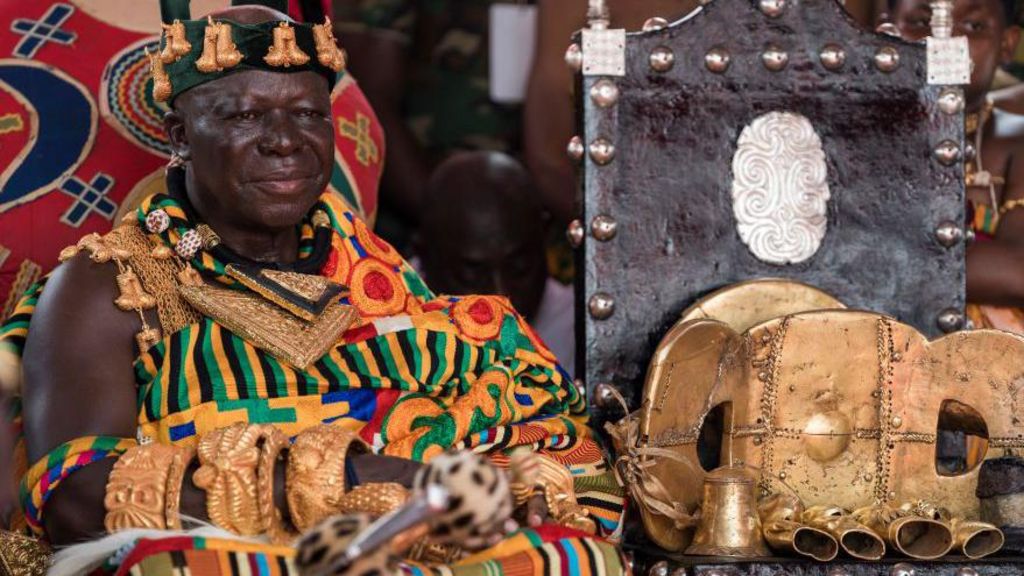
Ghana’s Asante king welcomes return of artefacts from the UK and South Africa
In a significant move towards cultural restitution, Ghana’s Asante king, Otumfuo Osei Tutu II, has received 130 gold and bronze artefacts returned from the UK and South Africa. These items, some of which were looted during colonial times and others acquired through legitimate means, include royal regalia, drums, and ceremonial gold weights dating back to the 1870s. The artefacts highlight the profound cultural significance of gold in Asante society. The return ceremony, held at the Manhyia Palace in Kumasi, saw contributions from British art historian Hermione Waterfield and South African mining company AngloGold Ashanti. AngloGold Ashanti’s gesture was described as an act of cultural respect and reconciliation, addressing past tensions with local residents over resource exploitation. King Osei Tutu II expressed gratitude, emphasizing the goodwill and respect shown towards the Asante kingdom’s legacy. This event follows a broader trend of African countries reclaiming looted artefacts, with recent successes including the return of Benin bronzes to Nigeria by Germany in 2022. The ongoing efforts underscore a growing global recognition of the need to address colonial injustices and restore cultural heritage.
-
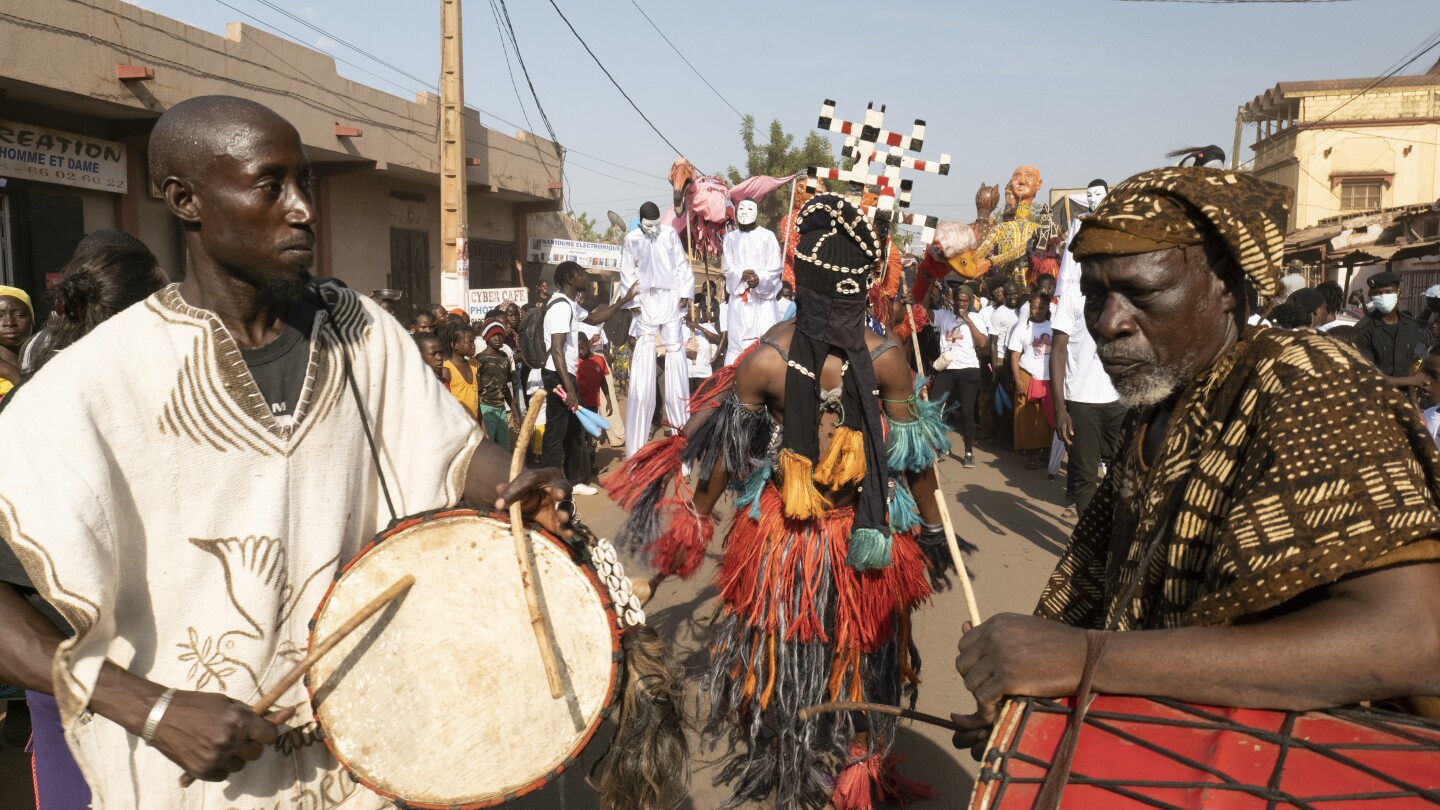
Marionette festival in Mali defies threats from jihadi militants to celebrate culture
In the heart of Bamako, Mali’s bustling capital, the streets came alive with the vibrant spectacle of the Rendez-Vous Chez Nous festival. Organized by the Nama marionette and dance group, the three-day event, held from November 6 to 8, showcased a dazzling array of dance performances, concerts, and theatrical plays. The festival’s centerpiece was a parade of over 200 giant marionettes, representing modern Malian women adorned with bold features, colorful attire, and intricate hairstyles, alongside animal puppets symbolizing unity and social cohesion. Despite the city’s ongoing struggles with al-Qaida-backed jihadi militants, who have imposed a monthslong blockade on fuel imports, the festival drew thousands of enthusiastic onlookers and participants from across West Africa. Yacouba Magassaouba, the festival director, emphasized the resilience of Malian artists, stating, ‘We fight through our art. Canceling this festival would mean the jihadists have won.’ The event, supported by the Spanish embassy and other partners, highlighted Mali’s rich cultural heritage and its enduring spirit of creativity and community. Amid the chaos, the festival served as a beacon of hope and defiance, celebrating the nation’s artistic legacy and fostering regional unity.
-
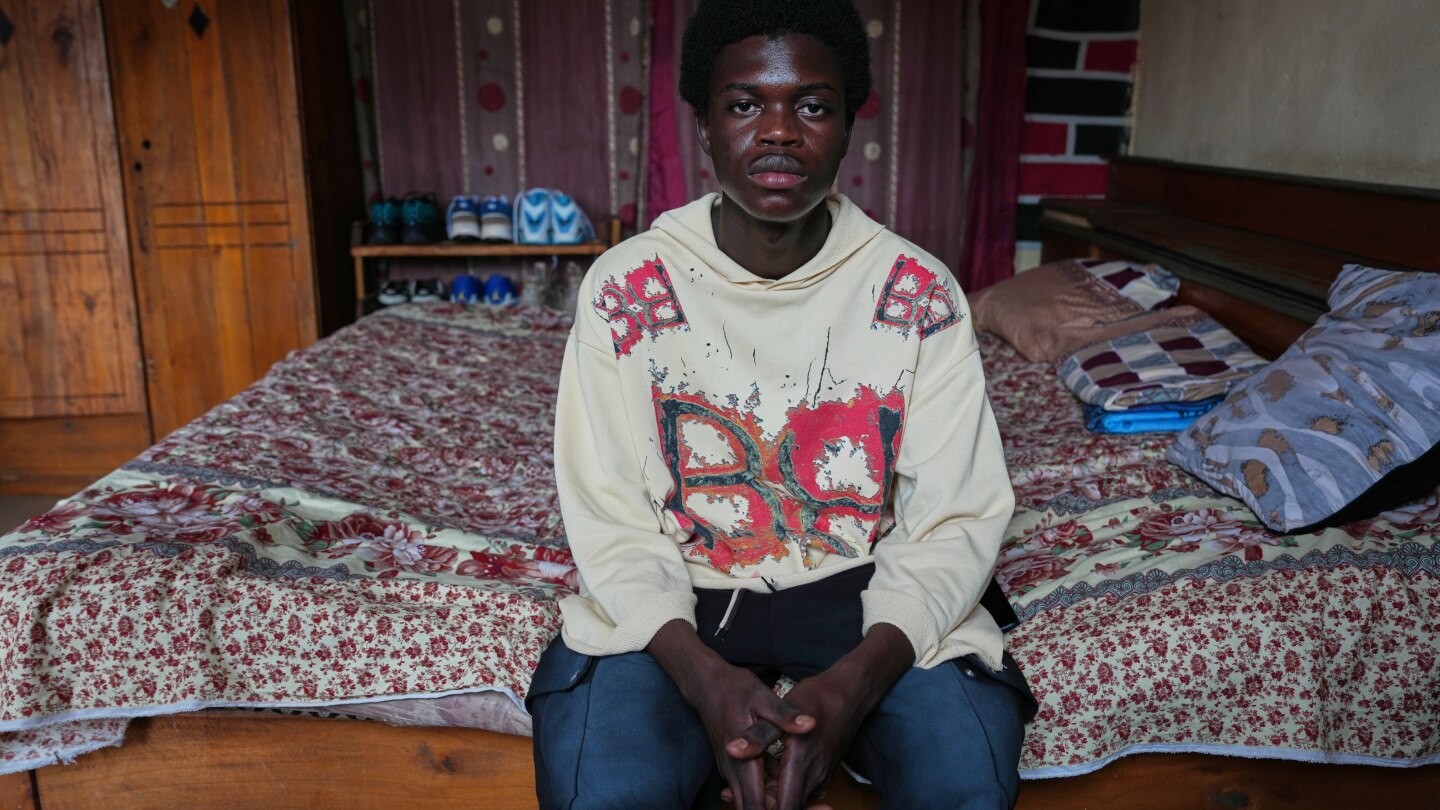
Takeaways from an AP report on a Europe-funded program returning African migrants
The European Union (EU) has allocated hundreds of millions of dollars to the International Organization for Migration (IOM) to assist tens of thousands of African migrants returning from unsuccessful journeys to Europe. However, investigations by The Associated Press reveal that many returnees in Gambia and Guinea claim they have received little to no promised economic or psychosocial support. Migration experts argue that the IOM’s efforts are insufficient, potentially fueling further migration attempts due to desperation. The IOM acknowledges concerns but cites high caseloads and incomplete documentation as reasons for delays. The EU has not provided detailed transparency on fund allocation, and a 2021 audit by the European Court of Auditors questioned the program’s effectiveness. Launched in 2016, the EU-funded IOM program aims to repatriate migrants and provide post-return assistance, including housing, medical care, and vocational training. Despite these goals, returnees report facing trauma, debt, and family shame without adequate support. A WhatsApp group of over 50 returnees highlights widespread frustration with the IOM’s unresponsiveness. Experts emphasize the need for better reintegration support, particularly in countries with weak state services. While the program has reduced irregular crossings into Europe, critics argue that its lack of transparency and accountability undermines its impact on vulnerable migrants.
-
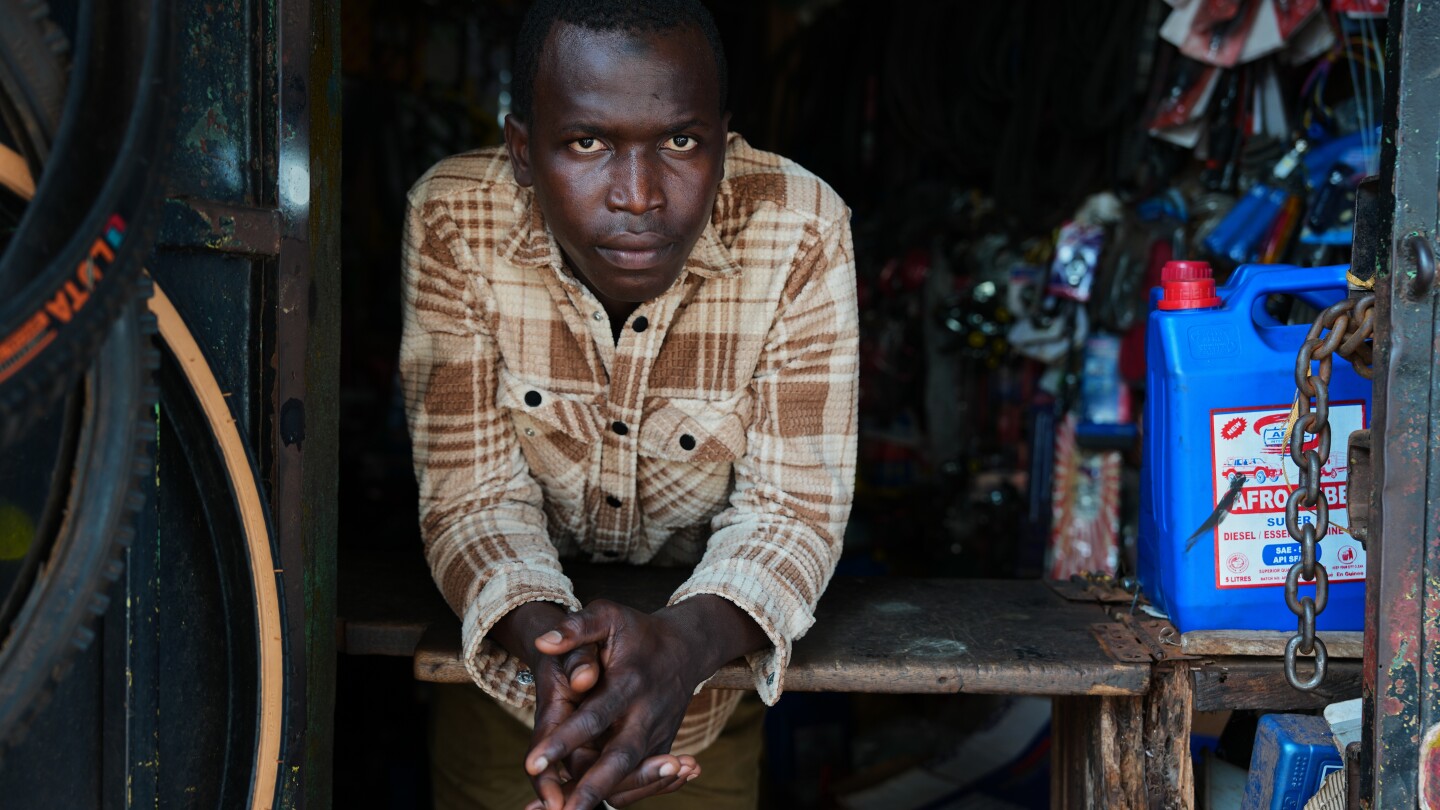
African migrants assert a Europe-funded program abandons them after returning them home
CONAKRY, Guinea (AP) — Oumar Bella Diallo, a 24-year-old Guinean, returned home in July after a harrowing year-long attempt to reach Europe. His journey was marked by police brutality, scams, and the haunting sight of fellow migrants perishing in the desert. Diallo is among tens of thousands of African migrants repatriated through the International Organization for Migration (IOM), a program funded by the European Union (EU) to curb migration. However, many returnees report unfulfilled promises of post-return assistance, leaving them to grapple with trauma, debt, and societal shame. The AP interviewed several returnees in Guinea and Gambia, who expressed frustration over the lack of follow-up support from the IOM. Diallo, for instance, sought help to start a small business but received only a phone number for a counselor and a brief orientation course. He also requested medical assistance for an injury sustained during his migration but was told it was unavailable. The IOM program, launched in 2016, has repatriated over 100,000 sub-Saharan migrants from North Africa and Niger. Despite a $380 million budget, with 58% allocated for post-return assistance, many returnees claim they have not received the promised support. Francois Xavier Ada of the IOM’s West Africa office acknowledged concerns over delays, attributing them to high caseloads or incomplete documentation. Experts, however, criticize the lack of transparency and accountability in the program’s implementation. The European Court of Auditors found that the program failed to demonstrate sustainable reintegration results during its first phase (2016-2021). Josephine Liebl of the European Council on Refugees and Exiles noted that the EU’s focus on returns overshadows the need for effective reintegration support. Returnees like Kabinet Kante, a 20-year-old Guinean, face additional challenges. Kante, who aspired to be a footballer in Germany, returned home after being intercepted at sea and abandoned in the desert. Despite his efforts to seek vocational training, the IOM has ignored his requests. Kante has since created a WhatsApp group for frustrated returnees and uses TikTok to warn others about the dangers of migration. The IOM program coincides with Europe’s broader efforts to deter migration, including paying African governments to intercept migrants—a practice criticized by human rights groups. While these efforts have reduced irregular crossings, experts argue that the lack of reintegration support in migrants’ home countries undermines the program’s effectiveness. Camille Le Coz of the Migration Policy Institute emphasized the need for access to social protection and labor markets. Despite the challenges, returnees like Diallo and Kante are not planning to migrate again soon, primarily due to financial constraints. However, the allure of Europe remains strong, and the visa process remains prohibitively expensive and uncertain for many. Elhadj Mohamed Diallo, a former migrant now working with the IOM, acknowledged the difficulties in preventing returnees from migrating again. ‘Migration is a natural thing,’ he said. ‘Blocking a person is like blocking the tide.’