标签: Africa

非洲

  • Muchova beats Mboko in Qatar Open final to end six-year title drought

    Muchova beats Mboko in Qatar Open final to end six-year title drought

    In a remarkable comeback story, Czech tennis star Karolina Muchova captured the Qatar Open championship on Saturday, defeating Canadian rising star Victoria Mboko 6-4, 7-5 in the final. The victory marks Muchova’s first WTA 1000 title and ends a prolonged six-year period without a tournament win on the professional circuit.

    The 29-year-old Muchova, who reached the French Open final in 2023, has faced significant challenges with multiple injuries throughout her career. Most notably, she was sidelined for ten months following a wrist injury in 2023 that threatened to derail her career entirely. Her previous title came at the Korea Open in September 2019, making this victory particularly meaningful after years of rehabilitation and determination.

    Throughout the match lasting one hour and thirty-four minutes, Muchova demonstrated strategic mastery by varying her rhythm and minimizing unforced errors against her younger opponent. The emotional significance of the moment was not lost on the champion, who expressed relief and joy at rediscovering the winning feeling after such an extended absence from the winner’s circle.

    Despite the loss, 19-year-old Mboko delivered an impressive performance throughout the tournament, defeating fifth seed Mirra Andreeva and second seed Elena Rybakina en route to the final. Her performance is expected to propel her into the world’s top-10 rankings for the first time, signaling the arrival of a new force in women’s tennis.
  • Motorbike raids on villages kill at least 30 in Nigeria

    Motorbike raids on villages kill at least 30 in Nigeria

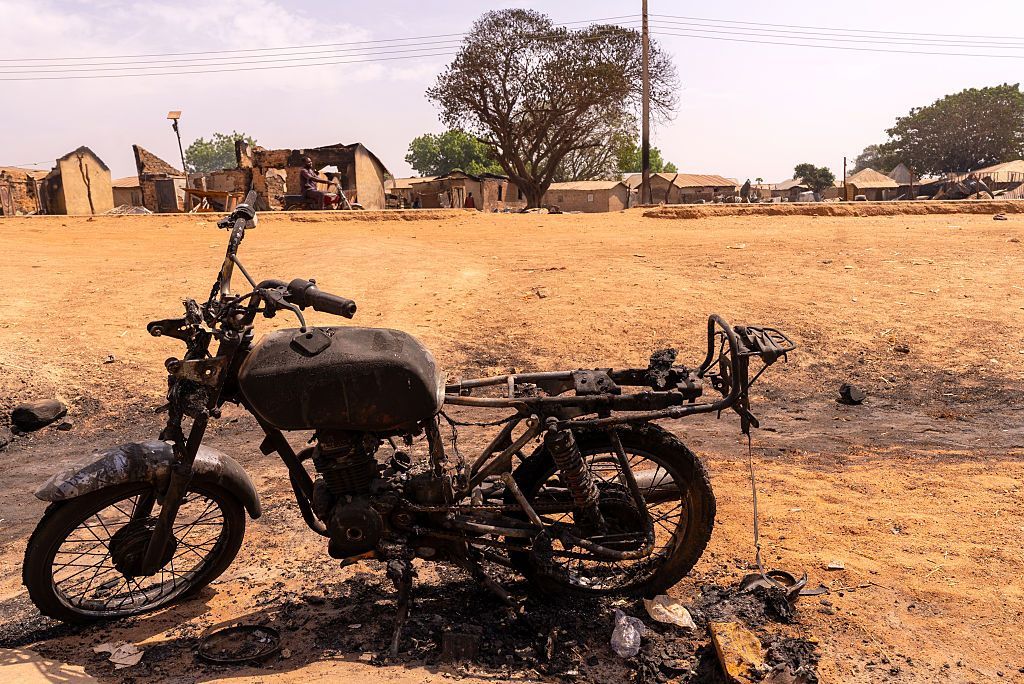
    Northwestern Nigeria has been plunged into a fresh wave of terror following a series of brutal, coordinated dawn assaults on three rural villages in Niger State. According to verified local reports disseminated by AFP, scores of armed assailants on motorcycles descended upon the communities of Tunga-Makeri, Konkoso, and Pissa, executing civilians through gunfire and throat-slitting before systematically setting homes ablaze and seizing an unspecified number of captives.

    The scale of the violence is staggering yet familiar. Initial casualty figures conflict, with Reuters reporting approximately 32 fatalities and AFP citing at least 46 deaths—a toll expected to rise as assessments continue. A security briefing reviewed by AFP detailed a formidable invading force of “41 motorcycles, each carrying two or three men,” indicating a highly organized operation. In Konkoso, the devastation was near-total, with witnesses confirming the burning of almost all dwellings and the abduction of four women.

    This atrocity occurs mere weeks after a suspected jihadist massacre in the same region claimed over 100 lives, employing a nearly identical modus operandi. While these predatory armed factions, locally termed ‘bandits,’ have plagued Nigeria for years through kidnappings and assaults, their operational tempo in western and central territories has intensified dramatically.

    The Nigerian government faces mounting internal and international pressure to quell the escalating insecurity. Compounding the crisis, the nation grapples with a multifront conflict: jihadist insurgencies entrenching in the northwest, alongside separatist movements mobilizing in the southeast. The complexity of the threat was further highlighted by recent U.S. military strikes in northern Sokoto state targeting Islamist militants, accompanied by warnings from former President Trump, illustrating the international dimensions of Nigeria’s security quagmire.

  • A Nigerian fishing festival returns to the joy of the community, despite setbacks

    A Nigerian fishing festival returns to the joy of the community, despite setbacks

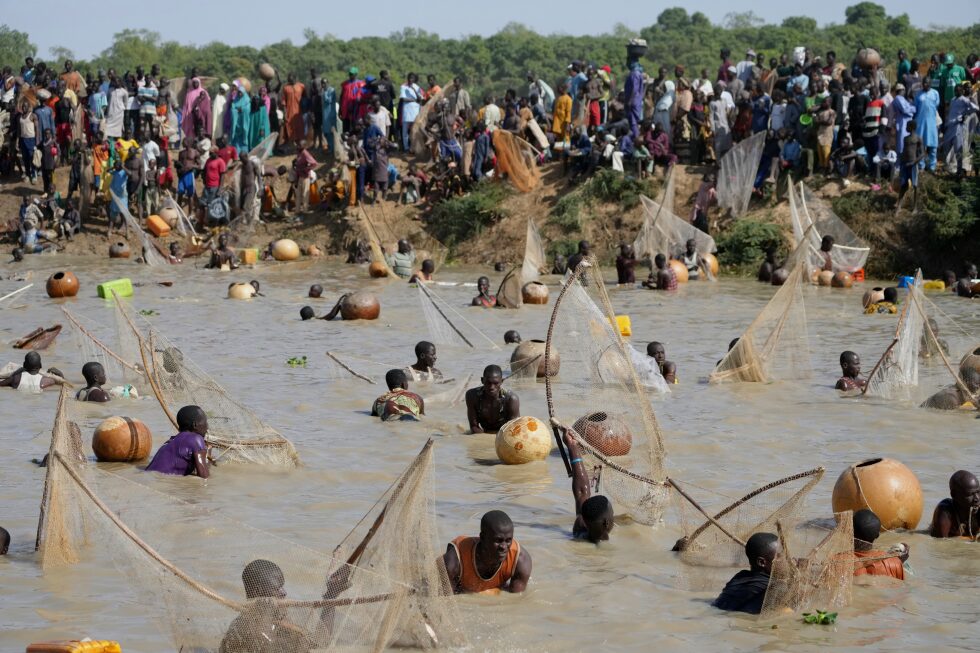
    The historic Argungu International Fishing Festival made its triumphant return to Nigeria’s northwest region on Saturday, drawing thousands of participants and spectators to the Matan Fadan river—a UNESCO heritage site renowned for its ecological significance. President Bola Tinubu attended as the guest of honor, witnessing fishermen employ traditional angling methods including hand-woven nets, calabash gourds, and barehanded techniques in the milky waters that wind through Kebbi state’s lush vegetation.

    The competition culminated with one fisherman landing a massive croaker fish weighing 59 kilograms (130 pounds), securing the top cash prize while other participants gained economic benefits through selling their catches. The event served as both cultural preservation and economic stimulus for the local community.

    This year’s festival occurred against a backdrop of persistent security concerns that have plagued northern Nigeria for years. While President Tinubu hailed the event as evidence of returning stability, local officials acknowledged attendance has been impacted by safety apprehensions. The river, maintained throughout the year by the traditionally titled Sarkin Ruwa (water chief), remains closed to fishing except during this annual celebration.

    The festival dates to 1934, originating as a peace symbol following the resolution of nearly a century of hostilities between the Sokoto Caliphate and the Argungu emirate. After being paused in 2010 due to infrastructural issues and security challenges, and again following its 2020 revival, this year’s return has been celebrated as a restoration of cultural pride and communal unity despite ongoing security complications affecting Nigeria’s northern regions.

  • Will Abhishek Sharma play India-Pakistan match? Suryakumar responds

    Will Abhishek Sharma play India-Pakistan match? Suryakumar responds

    Indian cricket captain Suryakumar Yadav has provided a tantalizing hint regarding all-rounder Abhishek Sharma’s potential participation in Sunday’s high-voltage clash against arch-rivals Pakistan. The development comes after Sharma’s concerning hospitalization due to a stomach infection that forced him to miss India’s previous match against Namibia.

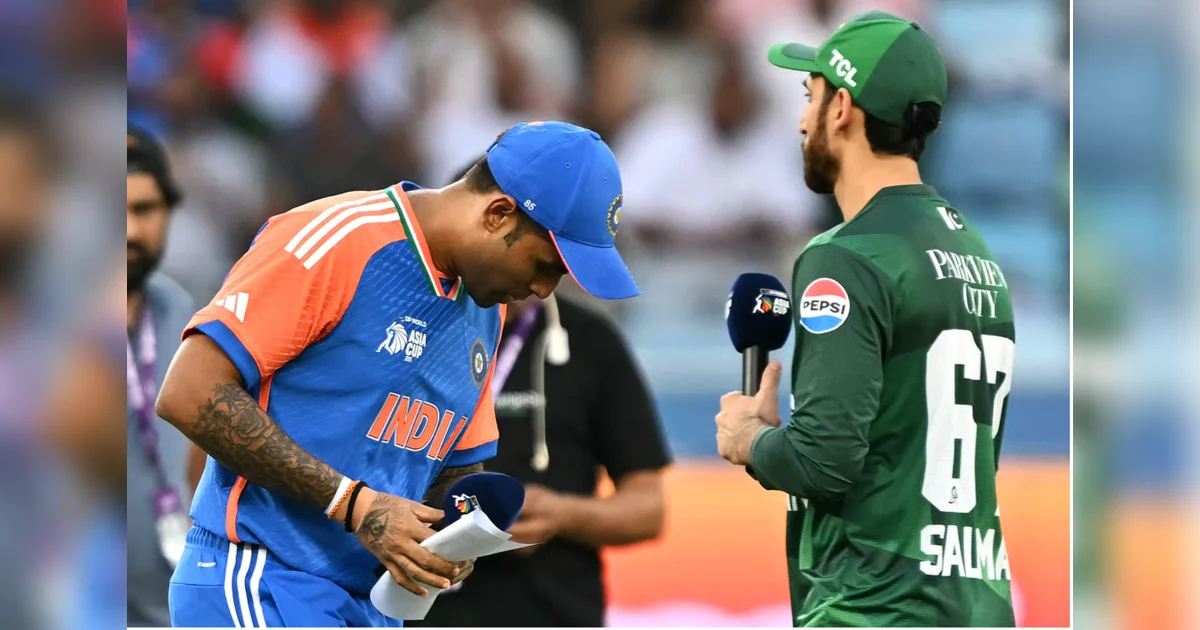
    At Saturday’s pre-match press conference in Colombo, Yadav responded to Pakistani captain Agha’s public wish for Sharma’s recovery with characteristic wit. “If the Pakistan cricket team’s captain wants him to play,” Yadav remarked with a cheeky smile, “we will play him tomorrow.”

    The speculation around Sharma’s availability has dominated pre-match discussions, particularly after he was spotted practicing at the R. Premadasa Stadium nets on February 14th. His tournament began disastrously with a golden duck against the United States, followed by his medical emergency that required hospital treatment.

    Pakistani skipper Agha had earlier expressed genuine concern for Sharma’s wellbeing while acknowledging his quality. “We all know he is a good player,” Agha stated, “and I really hope he plays tomorrow because we want to compete against India’s strongest lineup. I hope he is recovering well.”

    The medical team’s assessment of Sharma’s condition will ultimately determine his participation in what both captains acknowledge is far more than “just another game” in the tournament.

  • Ajman Ruler inaugurates ‘Masfout Gate’ project under UAE villages development initiative

    Ajman Ruler inaugurates ‘Masfout Gate’ project under UAE villages development initiative

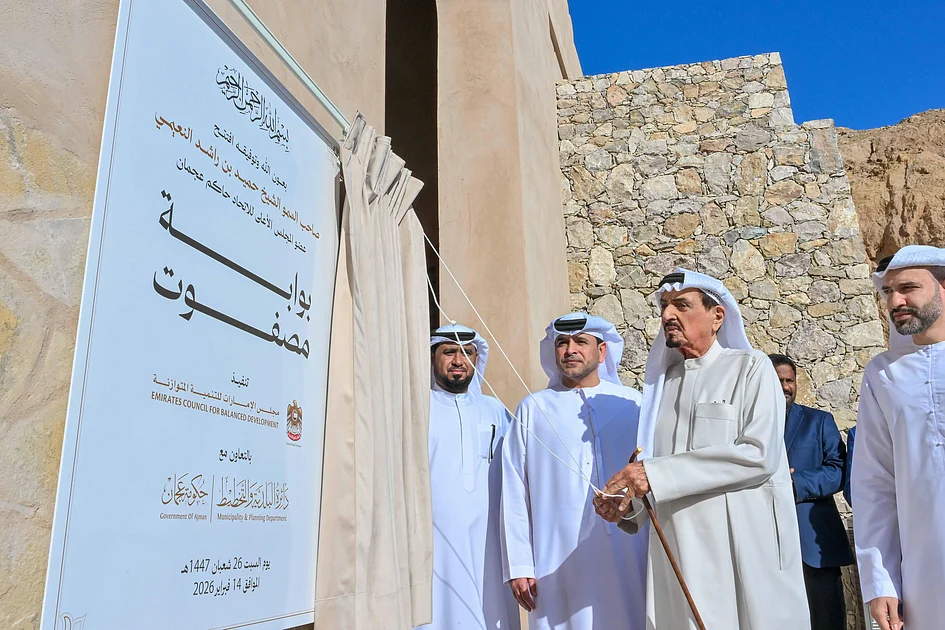
    AJMAN – In a significant ceremony marking a new chapter for regional development, His Highness Sheikh Humaid bin Rashid Al Nuaimi, Supreme Council Member and Ruler of Ajman, officially inaugurated the landmark ‘Masfout Gate’ project on Saturday. This architectural marvel emerges as a centerpiece of the UAE’s comprehensive village development initiative, strategically designed to bolster sustainable growth while preserving cultural heritage.

    The inauguration follows Masfout Village’s prestigious recognition by UN Tourism, which awarded it the World’s Best Tourism Village 2025 title. This accolade underscores the area’s transformation into an integrated tourism destination that authentically embodies Emirati cultural identity.

    Spanning approximately 500 square meters and soaring to a height of 16 meters, the Masfout Gate features a 40-meter architectural walkway that creates a cohesive urban monument. The structure represents a sophisticated fusion of traditional Emirati heritage with contemporary design elements, positioning itself as an iconic landmark on the nation’s mountain and cultural tourism map.

    Implemented through a collaborative effort between the Emirates Council for Balanced Development and the Municipality and Planning Department of Ajman (MPDA), the project exemplifies the UAE’s commitment to achieving balanced regional development. Sheikh Humaid emphasized that the gateway symbolizes more than architectural achievement—it serves as a tangible connection between historical authenticity and future aspirations, reflecting the nation’s dedication to enhancing quality of life while preserving authentic heritage.

    The project forms part of a broader strategic vision championed by His Highness Theyab bin Mohamed bin Zayed Al Nahyan, Deputy Chairman of the Presidential Court for Development and Fallen Heroes’ Affairs. Sheikh Theyab highlighted that President Sheikh Mohamed bin Zayed Al Nahyan’s directives provide the foundational framework for nationwide balanced development, ensuring progress benefits all regions equally while placing citizens at the center of developmental priorities.

    Officials project that Masfout Gate will significantly elevate the region’s status as both a tourism and investment destination, strengthening the competitive positioning of both Ajman and the wider UAE. The development model integrates urban advancement with cultural preservation, supporting economic activity while creating new opportunities for local communities and reinforcing Masfout’s status as a premier mountain destination.

  • Russia ‘poisoned’ Putin critic Navalny in prison with ‘rare toxin’: European states

    Russia ‘poisoned’ Putin critic Navalny in prison with ‘rare toxin’: European states

    In a coordinated diplomatic move, five European nations have formally accused the Russian government of orchestrating the poisoning of imprisoned opposition leader Alexei Navalny using a rare toxic substance. The allegations emerged on Saturday during the Munich Security Conference, with Britain, France, Germany, the Netherlands, and Sweden issuing a joint statement condemning Moscow’s actions.

    The UK Foreign Office declared that Russian authorities employed a ‘lethal toxin’ against Navalny in 2024, motivated by their apprehension regarding his political opposition. This accusation surfaces precisely as the world marks the second anniversary of the death of the prominent critic of President Vladimir Putin.

    In a significant escalation of diplomatic pressure, Britain has additionally filed an official report with the Organization for the Prohibition of Chemical Weapons (OPCW), the global chemical weapons watchdog. This action represents a direct challenge to Russia’s compliance with international chemical weapons conventions.

    The multinational condemnation highlights growing Western concerns about the treatment of political dissidents within Russian penal institutions and represents one of the most explicit official accusations regarding the circumstances surrounding Navalny’s deterioration in custody. The European coalition’s statement suggests a calculated state-sponsored operation rather than an isolated incident within the prison system.

  • What happens if rain washes out India-Pakistan T20 World Cup match?

    What happens if rain washes out India-Pakistan T20 World Cup match?

    The cricketing world’s most anticipated rivalry faces potential disruption as meteorological forecasts predict significant rainfall in Colombo during Sunday’s India-Pakistan T20 World Cup encounter. This high-stakes match, renowned for generating unprecedented global television audiences, now confronts the very real possibility of weather interference.

    Both teams currently maintain unbeaten records in the Group Stage, with India leading the table followed closely by Pakistan. Should persistent precipitation prevent play, tournament regulations stipulate that both sides would divide the available points. This outcome would leave both nations tied at five points each, though India would retain top position due to superior net run rate calculations.

    Such a scenario would simultaneously guarantee both teams’ advancement to the tournament’s next phase, as no other competing side could mathematically reach the five-point threshold. The potential washout raises pressing questions about contingency planning for matches of this magnitude.

    Cricket enthusiasts and analysts are debating whether the International Cricket Council should institute reserve days for high-profile group matches, given the extraordinary commercial and viewership impact of India-Pakistan fixtures. Currently, ICC protocols only designate backup days for knockout stage matches—specifically semifinals and finals—to maintain competitive equity across all participating teams.

    The implementation of selective reserve days presents complex logistical challenges and ethical considerations regarding fair treatment of all competing nations. As the cricketing community monitors Colombo’s skies, the discussion continues regarding whether commercial considerations should influence tournament scheduling protocols.

  • Dubai Flower Centre: UAE’s dnata handles 227,000kg of Valentine’s Day flowers in 5 days

    Dubai Flower Centre: UAE’s dnata handles 227,000kg of Valentine’s Day flowers in 5 days

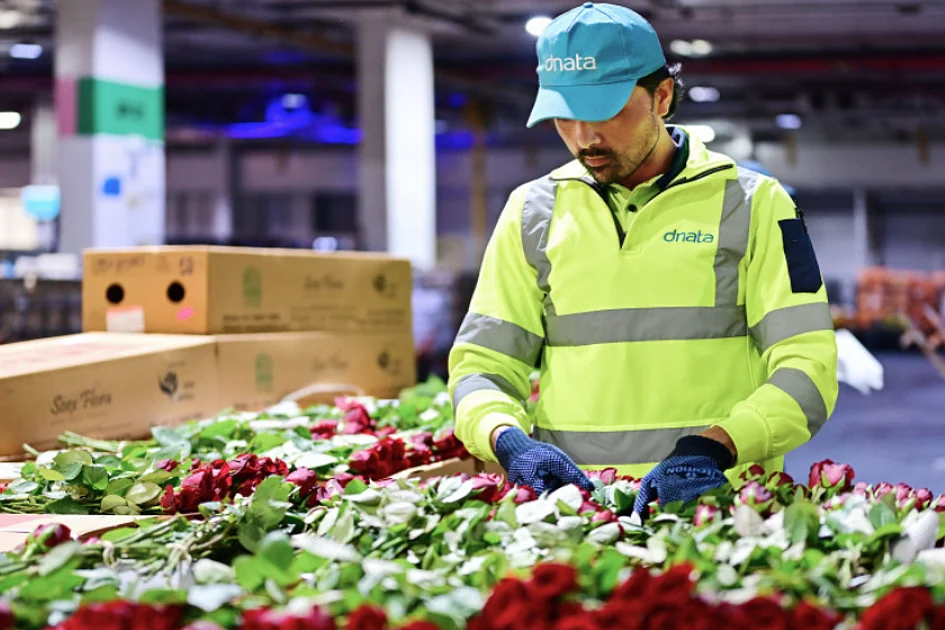
    Dubai’s strategic position in global floral logistics was demonstrated as dnata, a premier air services provider, managed an extraordinary 227,530 kilograms of Valentine’s Day blossoms through its specialized Dubai Flower Centre facility between February 7-11, 2026. This massive volume—transported via 274 separate shipments containing over 18,700 boxes—represented a substantial increase over typical operational periods, with February 10 alone seeing 59,800kg processed, more than double normal daily capacity.

    The floral influx originated primarily from Colombia, Ecuador, Ethiopia, Kenya, and the Netherlands, with traditional red roses maintaining their dominance in seasonal demand despite significant quantities of hydrangeas, chrysanthemums, and orchids passing through the facility. dnata’s purpose-built 3,500 square meter perishables center features advanced temperature-controlled zones, rapid airside transfer corridors, and specialized handling systems specifically engineered for time-sensitive cargo.

    With capacity to process up to 400,000kg of perishables daily, the facility operated with over 50 trained cargo professionals working around the clock during this peak period. Guillaume Crozier, dnata’s Chief Cargo Officer, emphasized: “Valentine’s Day represents one of our most intensive floral logistics windows. Our coordinated efforts with airline partners, exporters, and supply chain stakeholders ensure shipments move through Dubai with maximum efficiency while maintaining the highest standards for perishable care.”

    This operation underscores Dubai’s continuing role as a critical global transit hub connecting flower growers across Africa, Europe, and Asia with markets throughout the Middle East and beyond.

  • AU summit opens with leaders prioritizing water security and sustainable development

    AU summit opens with leaders prioritizing water security and sustainable development

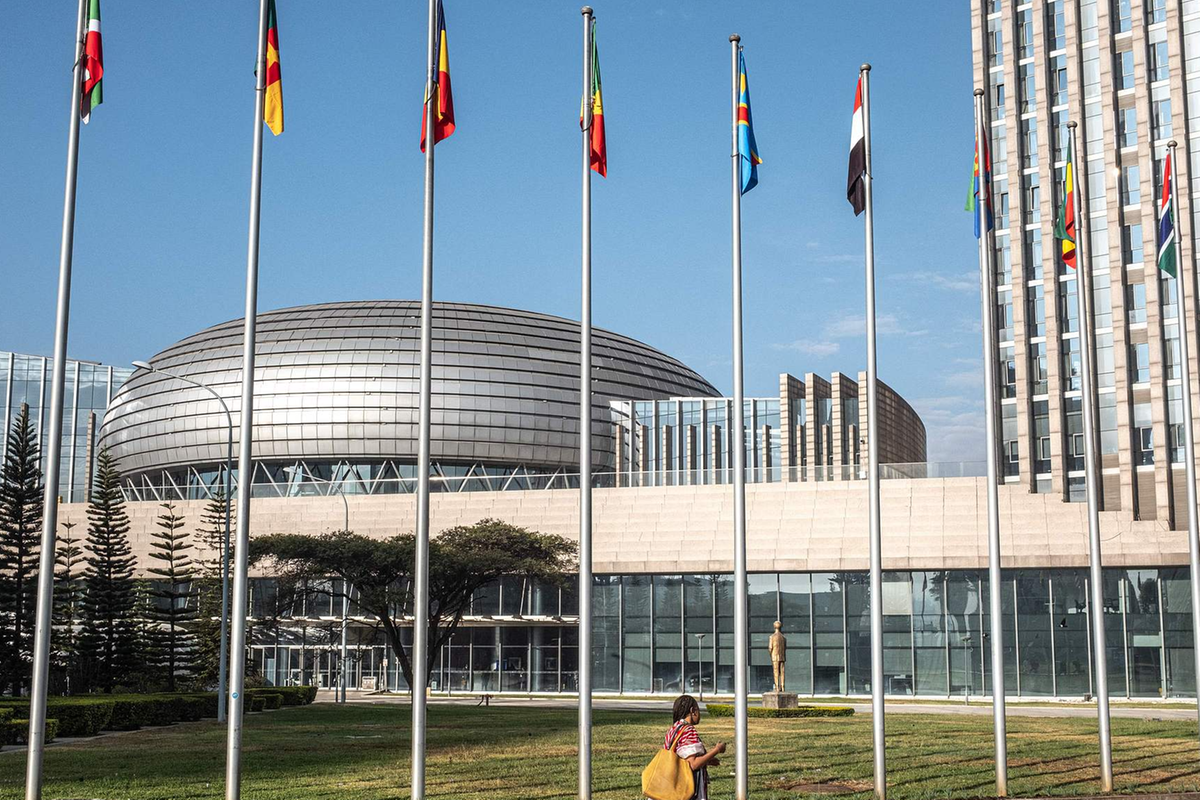
    The 39th Ordinary Session of the Assembly of Heads of State and Government of the African Union commenced in Addis Ababa on Saturday, with continental leaders declaring water security and sanitation as fundamental pillars for achieving Africa’s transformative Agenda 2063. The high-level gathering at the AU headquarters established sustainable water management as the central theme guiding deliberations toward addressing interconnected challenges of development, climate resilience, and regional stability.

    Under the summit’s official theme “Assuring Sustainable Water Availability and Safe Sanitation Systems to Achieve the Goals of Agenda 2063,” leaders outlined comprehensive strategies to enhance access to clean water while strengthening multilateral cooperation mechanisms. Ethiopian Prime Minister Abiy Ahmed Ali, hosting the summit, emphasized that Africa’s future prosperity necessitates integrating economic transformation with climate adaptation and social development imperatives.

    “Our development planning must ensure cities remain inclusive, environmentally sustainable, and capable of connecting communities to markets and opportunities,” Prime Minister Ali asserted, highlighting the critical intersection of infrastructure development and environmental sustainability. He stressed that investment in human capital through education and nutrition represents Africa’s most valuable resource for long-term growth.

    Angolan President and current AU Chairperson Joao Lourenco characterized water as a strategic resource essential for economic development, public health, and social stability across the continent. Despite Africa’s substantial water resources, President Lourenco noted that millions remain without access to safe drinking water and sanitation—a situation he described as both a political imperative and moral commitment requiring integrated solutions.

    United Nations Secretary-General Antonio Guterres, addressing the assembly, reinforced the strategic partnership between the UN and AU in advancing peace, development, and human rights across Africa. He advocated strongly for Africa’s enhanced representation in global decision-making forums, particularly through reform of the UN Security Council to include permanent African representation.

    Guterres further highlighted the disproportionate impact of climate change on African nations despite their minimal contribution to global emissions, calling for substantial international support for adaptation measures. He simultaneously urged reforms to global financial architecture to make development funding more accessible and affordable for developing nations.

    The two-day summit concludes Sunday with expected adoption of concrete decisions aimed at strengthening continental cooperation in water management, advancing sustainable development goals, and reinforcing Africa’s collective position in addressing economic, climate, and security challenges through enhanced unity.

  • At least 6,000 killed over 3 days during RSF attack on Sudan’s el-Fasher, UN says

    At least 6,000 killed over 3 days during RSF attack on Sudan’s el-Fasher, UN says

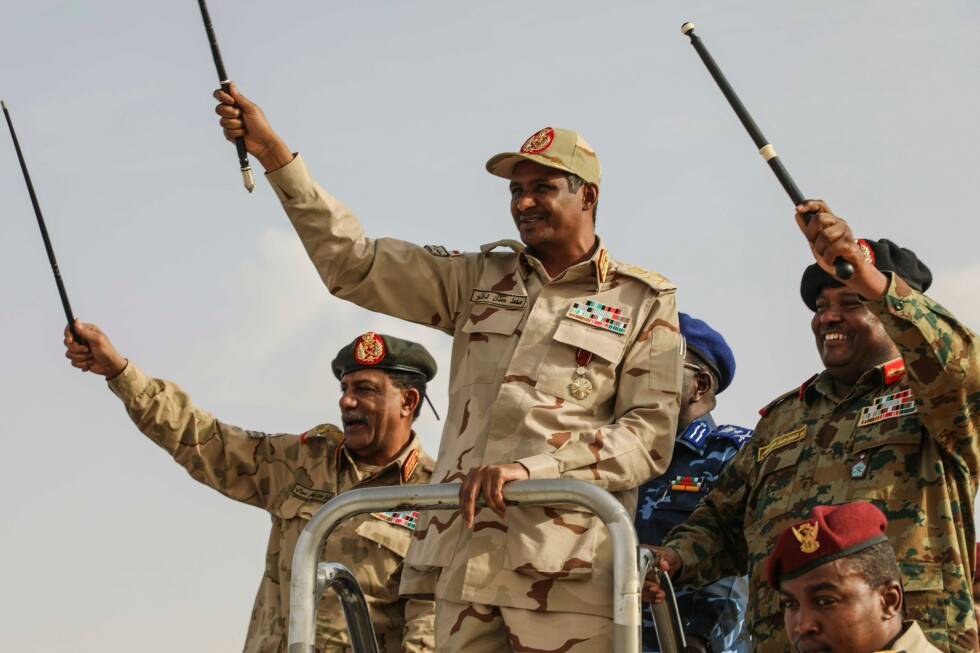
    A comprehensive United Nations investigation has exposed systematic atrocities committed by Sudan’s Rapid Support Forces (RSF) during their October offensive in el-Fasher, Darfur, with documented evidence pointing to widespread war crimes and potential crimes against humanity.

    The UN Human Rights Office’s 29-page report, released Friday, reveals that over 6,000 civilians were killed during a three-day period of ‘intense violence shocking in its scale and brutality’ between October 25-27. The paramilitary group and their allied Arab militias, known as Janjaweed, overran el-Fasher—the Sudanese army’s final stronghold in Darfur—on October 26 after an 18-month siege.

    UN High Commissioner for Human Rights Volker Türk, who recently visited Sudan, stated the offensive demonstrated ‘reasonable grounds’ for war crimes charges, noting that ‘persistent impunity fuels continued cycles of violence.’ The documented violations include mass killings, summary executions, sexual violence, abductions for ransom, torture, and enforced disappearances, many targeting the African Zaghawa non-Arab tribes.

    The investigation, based on 140 victim and witness testimonies corroborated by satellite imagery and video footage, describes particularly horrific incidents. On October 26, RSF fighters opened fire with heavy weapons on approximately 1,000 people sheltering at Rashid dormitory in el-Fasher University, killing around 500. Witnesses described bodies being thrown into the air ‘like a scene out of a horror movie.’ That same day, some 600 people, including 50 children, were executed while seeking refuge in university facilities.

    The actual death toll is believed to be ‘significantly higher,’ with additional massacres documented at the Saudi Maternity hospital (460 killed) and Abu Shouk displacement camp (300 killed). The report further details systematic sexual violence ‘used as a weapon of war’ against women and girls, plus the operation of at least 10 detention facilities—including a converted children’s hospital—where thousands remain missing.

    The RSF, whose commander General Mohammed Hamdan Dagalo has previously acknowledged some abuses while disputing their scale, did not respond to requests for comment. The conflict, which began in April 2023 as a power struggle between the RSF and Sudanese military, has created the world’s largest humanitarian crisis with famine conditions emerging across parts of Sudan.