
The Group of 20 (G20) summit in Johannesburg, South Africa, became a platform for developing nations to address pressing global issues such as climate change and unsustainable debt levels. These nations, including Zimbabwe, Namibia, Jamaica, and Malaysia, emphasized their potential as economic partners in sectors like mining, technology, and artificial intelligence. South Africa, which concluded its G20 presidency and handed it over to the United States, was praised for fostering an inclusive agenda that prioritized the needs of poorer countries and highlighted global inequality. However, the summit was marked by the absence of the United States, which boycotted the event due to President Donald Trump’s allegations of South Africa’s mistreatment of its Afrikaner white minority. Ethiopian Prime Minister Abiy Ahmed underscored the importance of translating debt relief into tangible investments, stating, ‘Inclusivity is not charity, it is efficiency.’ Namibian President Netumbo Nandi-Ndaitwah called for fair financing terms, noting that despite timely debt repayment, her country is still perceived as high-risk. Jamaica’s Prime Minister Andrew Michael Holness highlighted the devastating impact of climate-fueled natural disasters, such as Hurricane Melissa, on developing nations. World Trade Organization Director General Ngozi Okonjo-Iweala urged African leaders to rethink trade policies, emphasizing the need to move beyond exporting raw materials and instead develop regional value chains. Nabil Ahmed of Oxfam commended South Africa for centering inequality in the G20 agenda, calling it a critical step in addressing both the climate and inequality emergencies.
标签: Africa
非洲
-

Hiring in Dubai: Are freelancers eligible to get leave, other benefits?
In Dubai, the freelance work model is gaining traction as a flexible and independent employment option. Governed by Article 8 of the Cabinet Resolution No. 1 of 2022, freelancers are defined as individuals who provide services or perform tasks for a specified period without being tied to a specific employer. This legal framework ensures that freelancers operate independently, earning income through their services while maintaining no formal employment relationship with clients or organizations.
-
Dubai: ‘Back home for few hours’, thousands of Syrians reunite with pride, nostalgia
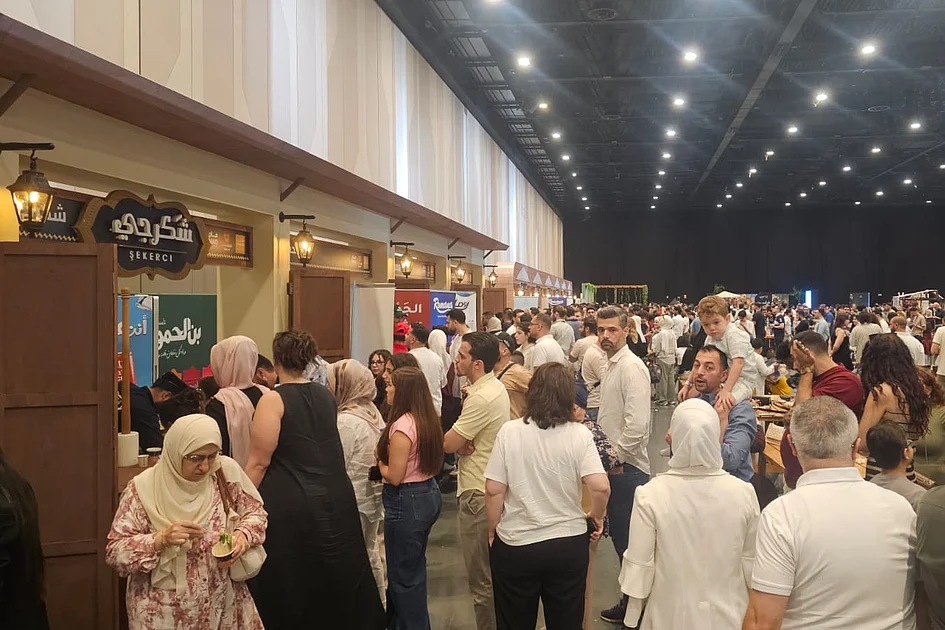
On a vibrant Saturday morning at Expo City Dubai, thousands of Syrians gathered to celebrate Syria Day, an event that transcended mere cultural festivities to become a profound moment of unity and shared heritage. Among the attendees was six-year-old Mohammed Joud Ahmed, whose excitement was palpable as he proudly wore a small Syrian flag pinned to his shirt. His mother, Oula, shared how Mohammed had been eagerly counting down the days to the event, a testament to the deep connection he feels to his homeland.
The celebration was a sensory feast, with traditional music, colorful displays, and the irresistible aroma of Syrian cuisine filling the air. Shawarma, kebbeh, sujuk, and fresh saj drew long queues of visitors, while cultural stalls showcased Syrian calligraphy, traditional handmade soap, and paintings of historical landmarks like Palmyra and Aleppo. For many, these elements evoked cherished memories and a sense of belonging.
Three young men, Shabab Hassan, Mohammed Nur, and Abu Khalid, stood out in their traditional Syrian attire, embodying the pride and heritage of their culture. “Today is not just a celebration; it’s a reminder of us as Syrians,” Shabab remarked. Abu Khalid emphasized the importance of passing on this heritage to younger generations, many of whom have grown up in the UAE.
The event also highlighted the strong bond between the UAE and Syria. Sheikh Nahyan bin Mubarak Al Nahyan, Minister of Tolerance and Coexistence, praised the contributions of the Syrian community in the UAE, noting the event’s role in fostering mutual respect and cooperation. “Our relations are built on a long history, an authentic heritage, and noble human values,” he said.
As the night concluded, the celebration left attendees with a renewed sense of pride and connection, proving that even far from home, the spirit of Syria remains alive and vibrant.
-
The G20 summit in South Africa is set to end with another diplomatic spat involving the US
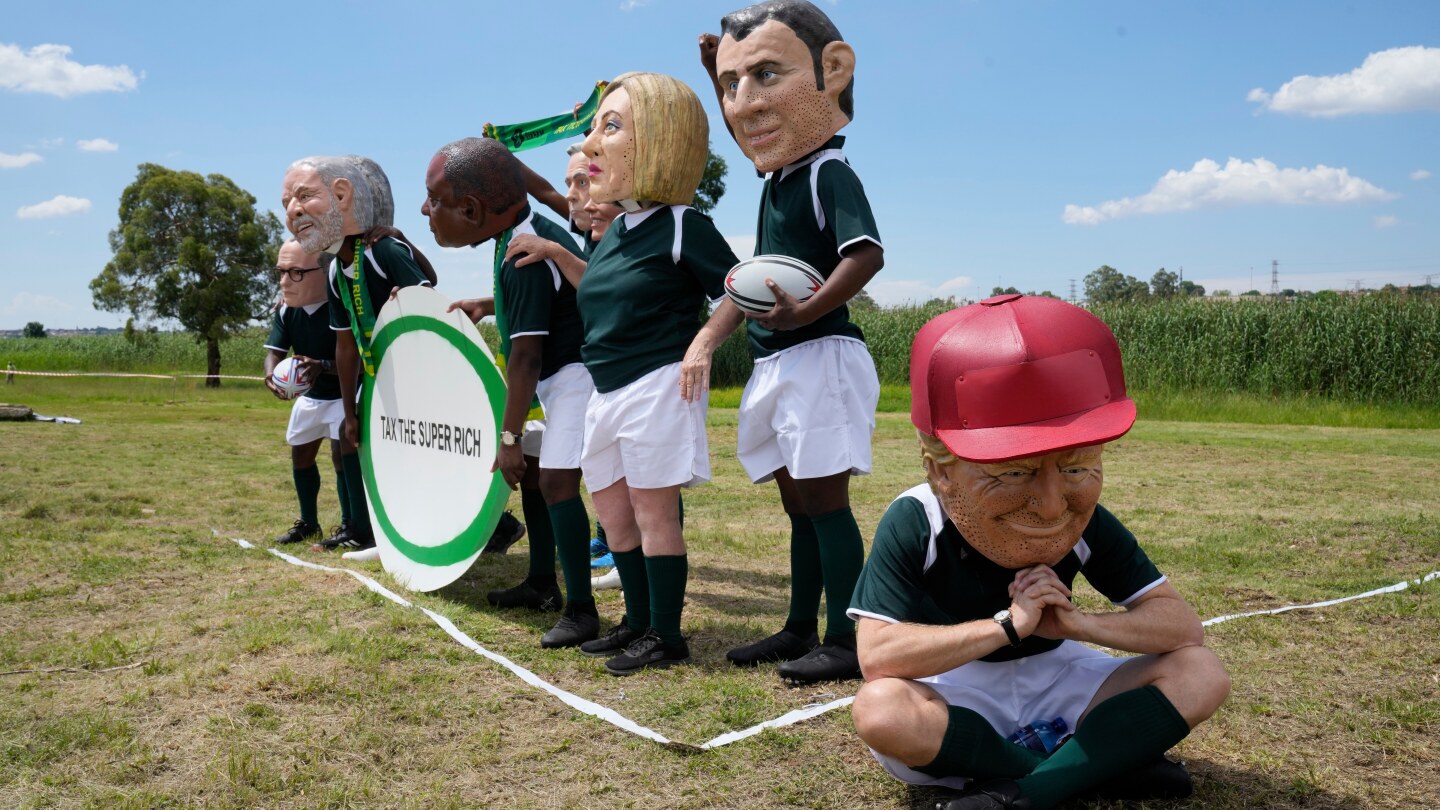
The G20 summit in Johannesburg, South Africa, concluded on Sunday amidst heightened diplomatic tensions between the host nation and the United States. The dispute arose when South Africa refused to conduct the traditional handover of the G20 presidency to a U.S. official, citing the absence of a high-level representative from the American delegation. South African Foreign Minister Ronald Lamola emphasized that the summit is a leaders’ meeting, requiring representation at the level of a head of state, special envoy, or minister. The U.S., which is slated to assume the G20 presidency in 2026, had planned to host its summit at President Donald Trump’s golf club in Doral, Florida. However, South Africa deemed the proposed handover ceremony inappropriate and postponed it to a later date, possibly at its foreign ministry building.
The rift deepened when South African President Cyril Ramaphosa accused the U.S. of last-minute changes to its participation plans, a claim denied by the White House. White House Press Secretary Karoline Leavitt criticized Ramaphosa for his comments, further straining relations. The summit also saw South Africa break with tradition by issuing a leaders’ declaration on the opening day, focusing on climate change and global wealth inequality. While the U.S. and Argentina opposed the declaration, other G20 members, including China, Russia, and several European nations, supported it. The declaration called for increased financial aid for poor countries recovering from climate-related disasters, debt relief, and support for their transition to green energy.
Despite the symbolic significance of the summit, questions remain about the G20’s effectiveness in addressing global crises such as the Russia-Ukraine war and Middle East tensions. The 122-point declaration made only a passing reference to Ukraine, highlighting the bloc’s struggle to achieve consensus on geopolitical issues. French President Emmanuel Macron acknowledged the milestone of the first African G20 summit but noted the group’s challenges in establishing a unified stance on crises. Activists, however, praised the summit for centering attention on inequality and development priorities from an African perspective, marking a historic moment for the G20.
-
Escalating war of words between Ethiopia and Eritrea triggers fears of conflict
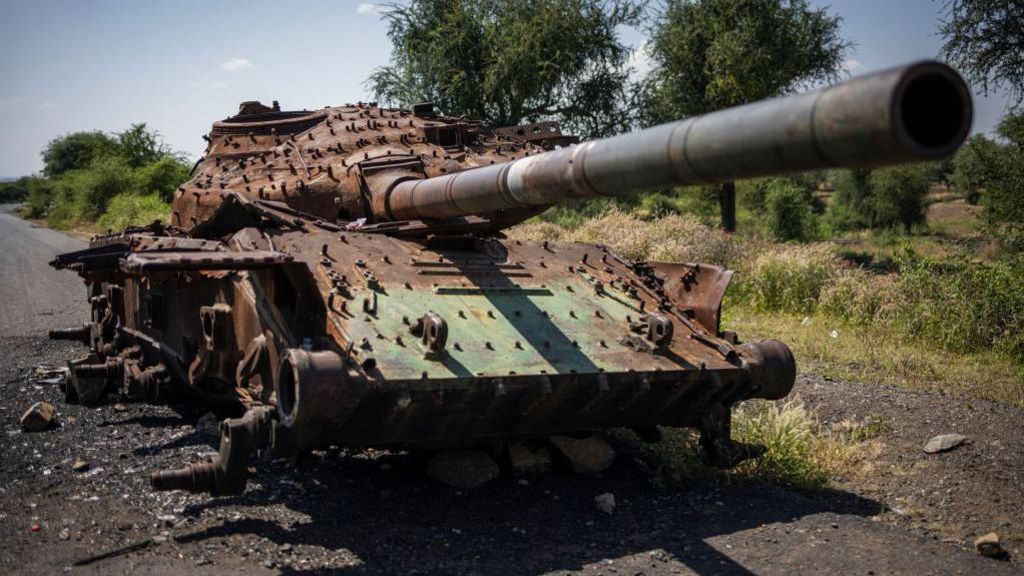
Mounting tensions between Ethiopia and Eritrea have sparked fears of a potential armed conflict in the Horn of Africa. The dispute centers on Ethiopia’s demand for access to the Red Sea through Eritrea, a contentious issue that has reignited historical animosities. Ethiopian Prime Minister Abiy Ahmed has repeatedly emphasized the strategic importance of sea access, calling it an existential necessity for his landlocked nation. However, Eritrea has dismissed these claims, labeling them as a “toxic agenda” of irredentism. The two nations share a complex history, marked by Eritrea’s secession from Ethiopia in 1993 after a decades-long independence struggle, leaving Ethiopia without a coastline. A brutal border war in 1998 further strained relations, resulting in over 100,000 deaths. Recent months have seen a sharp escalation in rhetoric, with Ethiopian officials openly asserting ownership of Eritrea’s southern port of Assab and hinting at the possibility of reclaiming it by force. Ethiopian leaders, including army chief Field Marshal Birhanu Jula, have framed the issue as a matter of national survival, citing Ethiopia’s growing population and economic needs. In response, Eritrea has issued stern warnings, with Information Minister Yemane Gebremeskel describing Ethiopia’s stance as “dangerous” and a violation of international norms. The Eritrean army has also cautioned against crossing “red lines,” warning of severe consequences. While there have been no reports of major military movements, Ethiopia has been bolstering its defense capabilities, showcasing new weaponry and conducting large-scale military training exercises. State media in Ethiopia has amplified the government’s narrative, portraying the loss of Red Sea access as an injustice that must be rectified. Conversely, Eritrean media has accused Ethiopia of attempting to reignite settled disputes. The situation has drawn attention from international observers, with concerns over the potential for conflict in an already volatile region. The historical context of the dispute, coupled with recent developments, underscores the fragility of relations between the two nations and the high stakes involved.
-
More and more Ugandan men seek DNA paternity tests, often with heartbreaking results
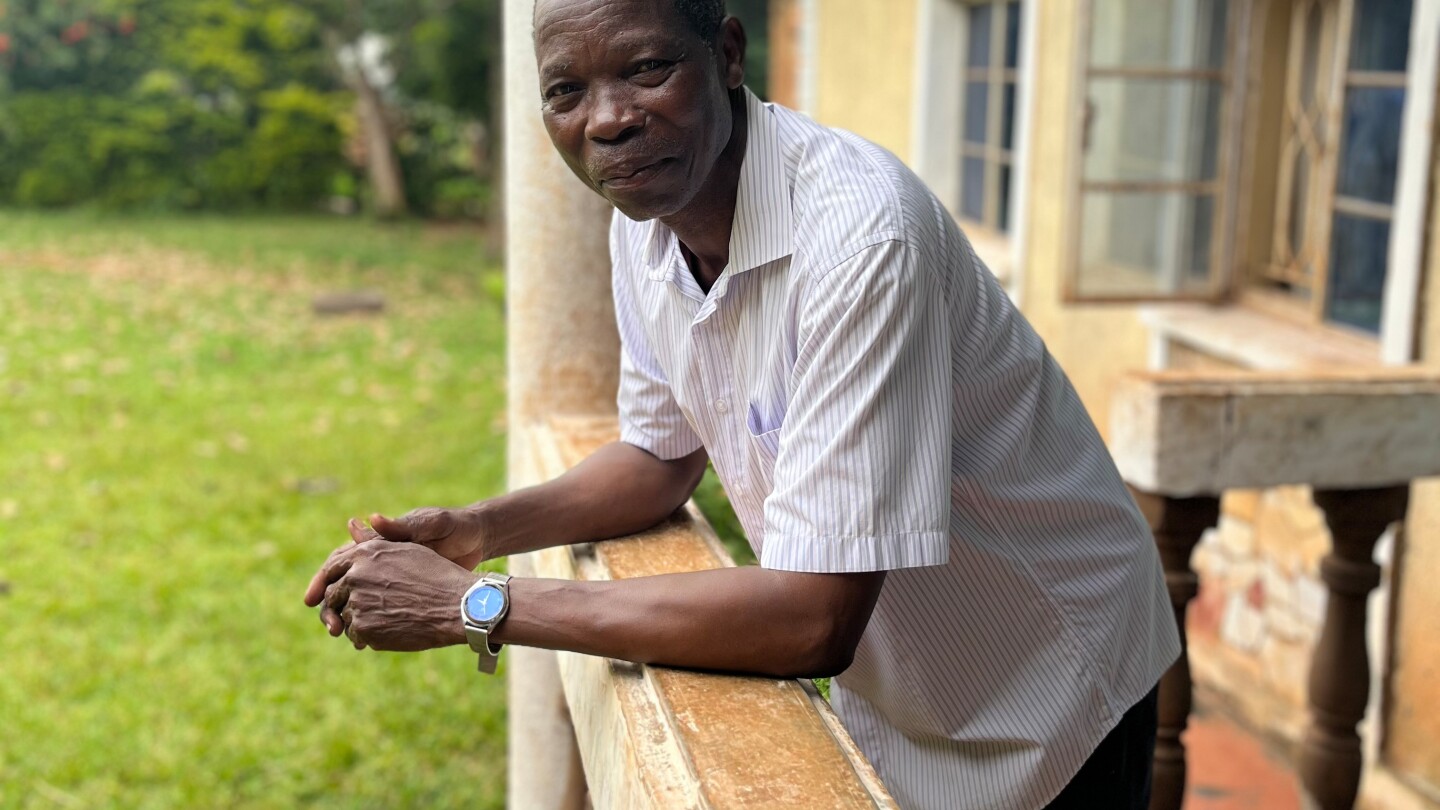
In Uganda, the increasing availability of DNA testing has sparked a surge in paternity disputes, challenging traditional norms and straining family relationships. Moses Kutoi, a clan leader and mayor of Nabumali, finds himself at the forefront of mediating these sensitive conflicts. Often, men question why their children do not resemble them, leading to marital discord and, in some cases, violence. Kutoi, who himself does not resemble his father, uses his personal experience to counsel families, urging them to focus on unity rather than biological ties. The issue has become so pervasive that religious and traditional leaders are calling for tolerance and a return to African teachings that emphasize communal responsibility over individual grievances. The Anglican Archbishop of Uganda, Stephen Kaziimba, has even invoked the story of Jesus’ virgin birth to discourage DNA testing among the faithful. Meanwhile, the Ministry of Internal Affairs reports a sharp rise in men seeking voluntary DNA tests, with over 98% of results revealing they are not the biological fathers. This has led to heartbreak and legal battles, particularly in cases involving inheritance and divorce. Despite the challenges, faith leaders like Pastor Andrew Mutengu are organizing counseling sessions to help families navigate these disputes. However, the affordability of DNA testing remains a barrier for many, with costs exceeding $200 in some areas. As Uganda grapples with this modern dilemma, the tension between tradition and technology continues to shape the nation’s social fabric.
-
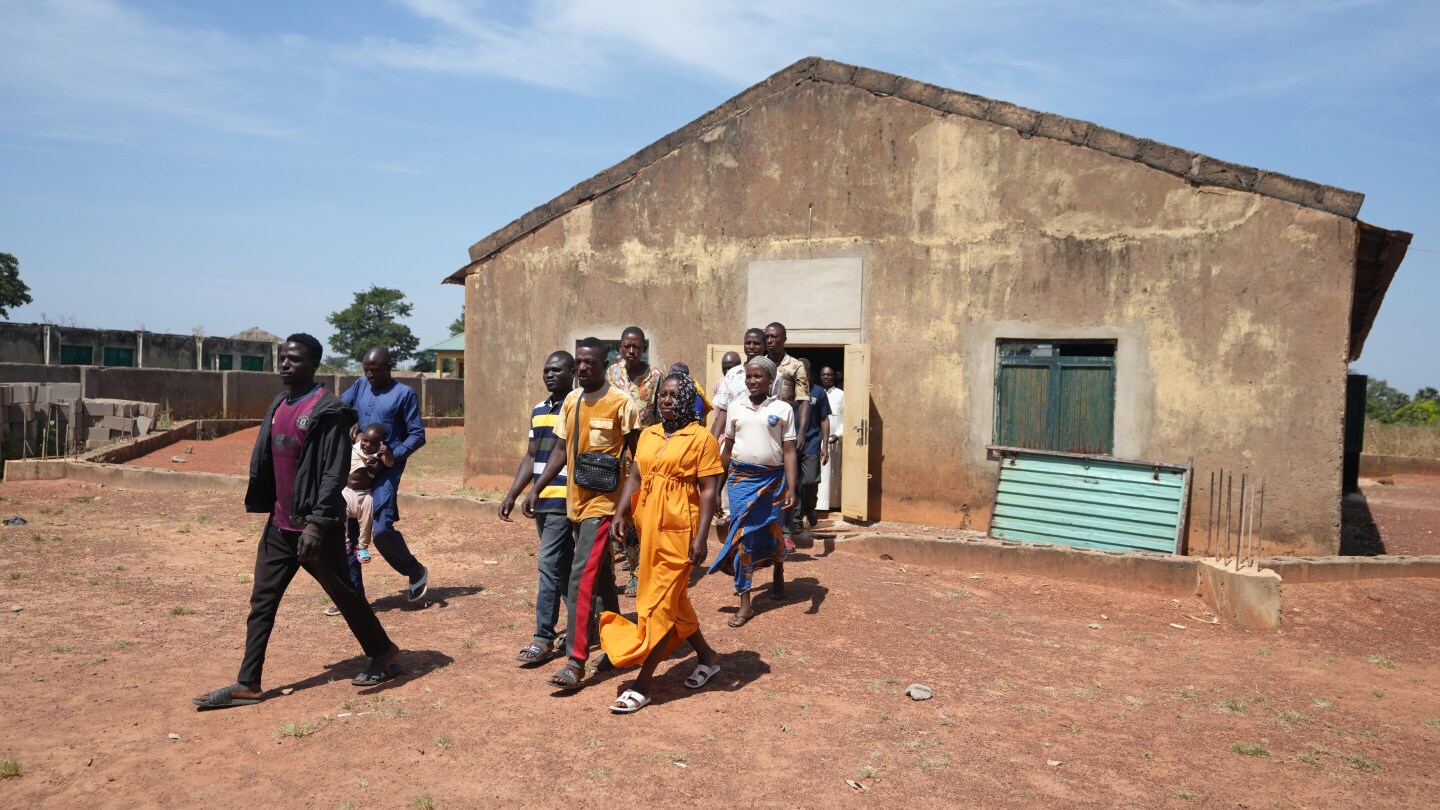
US signals broader efforts to protect Nigeria’s Christians following Trump’s military threat
The Trump administration is intensifying its efforts to collaborate with Nigeria’s government to address violence against Christians, signaling a multifaceted approach that goes beyond potential military intervention. This strategy includes diplomatic measures, intelligence sharing, and assistance programs, as highlighted by a State Department official. Defense Secretary Pete Hegseth recently met with Nigeria’s national security adviser to discuss solutions, emphasizing cooperation over unilateral action. This contrasts with President Trump’s earlier threats to halt all U.S. assistance if Nigeria fails to curb the violence. The administration’s approach aligns with Trump’s broader pledge to reduce foreign military engagements, even as the U.S. security presence in Africa has diminished. However, experts caution that Nigeria’s complex security challenges, involving militant groups like Boko Haram, farmer-herder conflicts, and armed banditry, require long-term solutions beyond military strikes. The Nigerian government has rejected unilateral intervention but welcomes collaborative efforts. Analysts stress that addressing the root causes of violence, such as economic disparities and interfaith tensions, is crucial for sustainable peace. The U.S. faces logistical challenges in mobilizing resources for potential intervention, given the reduced military footprint in the region. While the administration explores options, including sanctions and economic partnerships, the effectiveness of military action remains uncertain. The situation underscores the need for a comprehensive, coordinated strategy to address Nigeria’s multifaceted security crisis.
-
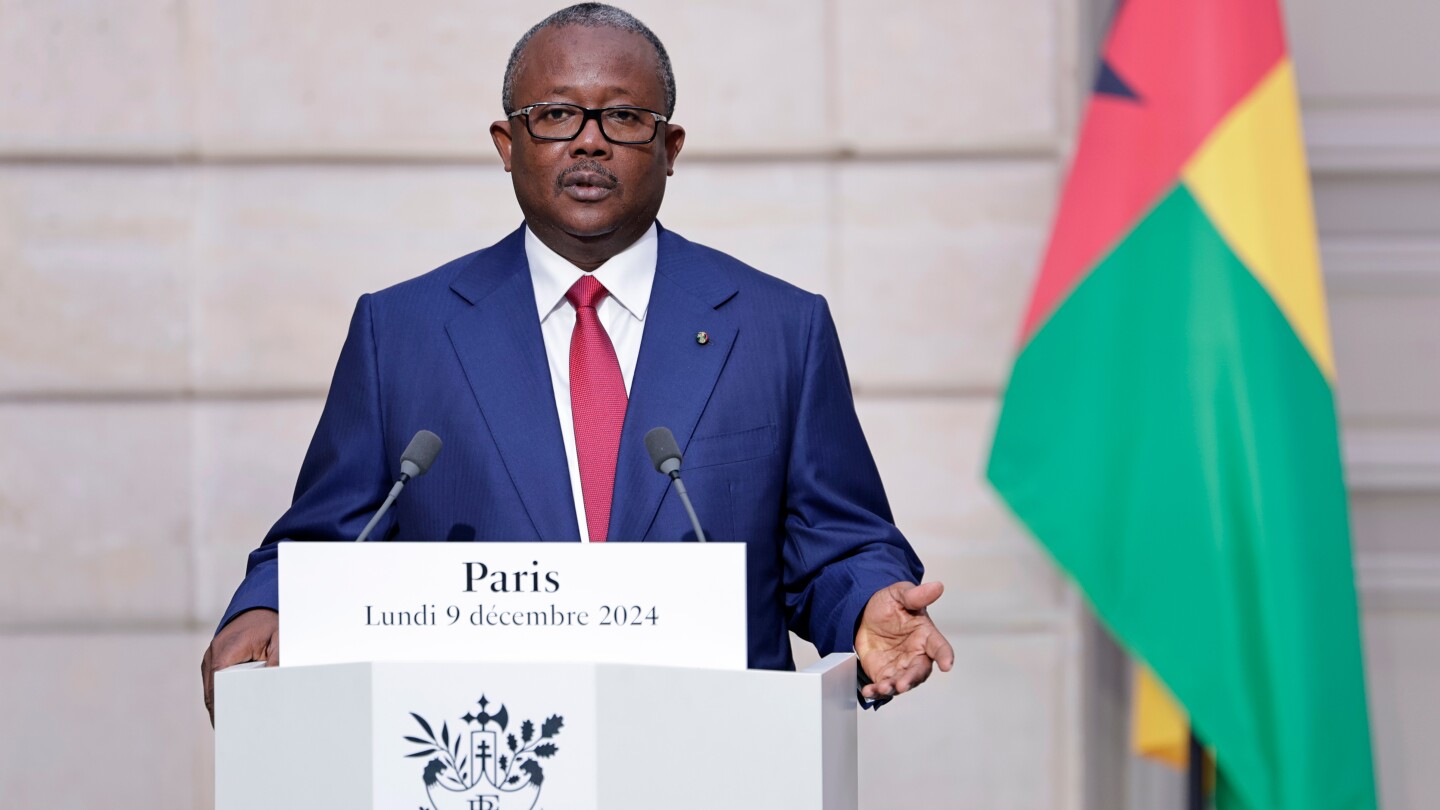
Guinea-Bissau’s president seeks second term in close race marked by tensions
Guinea-Bissau is set to hold a pivotal presidential election on Sunday, with incumbent President Umaro Sissoco Embalo vying for a second term. If successful, Embalo would become the first leader in the nation’s history to secure consecutive terms. The election unfolds against a backdrop of heightened political and ethnic tensions, compounded by the exclusion of the main opposition party, the African Party for the Independence of Guinea and Cape Verde (PAIGC), led by former Prime Minister Domingos Simoes Pereira. Pereira was barred from the race after authorities claimed his party failed to submit its application on time. The election is widely regarded as one of the most contentious in recent history, with analysts warning of potential instability. Nearly half of the country’s 2.2 million population is registered to vote, and a runoff will be held if no candidate secures more than 50% of the votes. Embalo, a 53-year-old former army general backed by a coalition of over 20 political groups, faces stiff competition from 11 other candidates, including Fernando Dias da Costa, a 47-year-old relatively unknown figure supported by Pereira. The election comes at a critical juncture for Guinea-Bissau, one of the world’s poorest nations, which has struggled with coups, drug trafficking, and economic hardship since gaining independence from Portugal over five decades ago. Embalo’s campaign has focused on infrastructure development, while Dias has pledged to prioritize stability, freedoms, and security. The opposition has accused Embalo of authoritarianism and human rights violations, further fueling the political divide. The vote also follows a recent coup attempt in October and a prolonged legitimacy crisis surrounding Embalo’s tenure. Political analyst Augusto Nansambe lamented the erosion of democratic norms, stating, ‘The democracy we knew … is no longer the model we are experiencing; we are experiencing a model defined by a single person.’ Despite the challenges, some residents remain hopeful that the election will bring peace and prosperity to the nation. ‘I hope that these elections will bring peace and tranquility so that there is no more hunger,’ said Marinho Insoldé, a resident of the capital, Bissau.
-
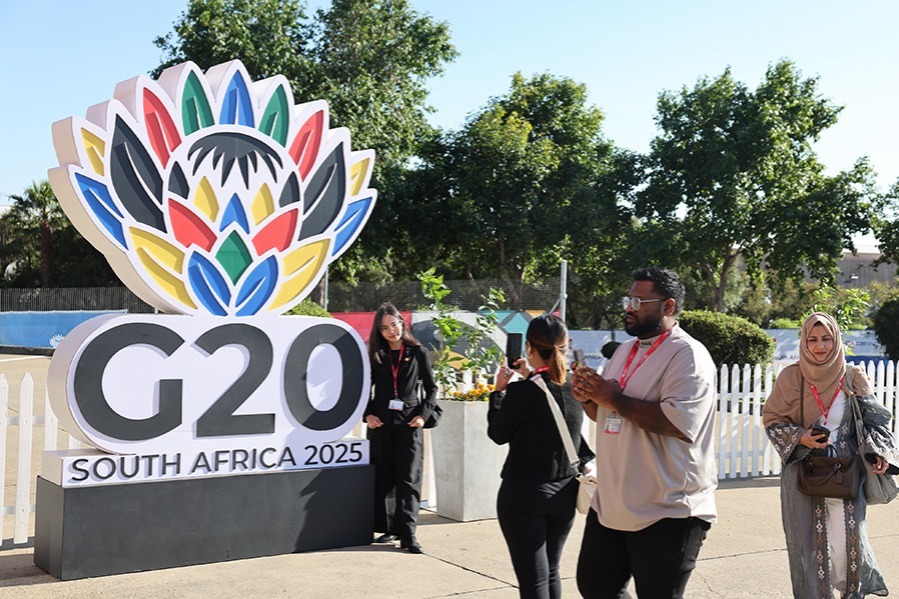
G20 Johannesburg summit calls for improving global governance
The 20th Group of 20 (G20) Summit commenced in Johannesburg on Saturday, marking a historic moment as the first G20 summit held on African soil. Under the theme ‘Solidarity, Equality, and Sustainability,’ the two-day event underscored Africa’s growing influence in global governance and its alignment with the development priorities of the Global South. The summit concluded with the adoption of the ‘G20 South Africa Summit: Leaders’ Declaration,’ which emphasized the need for more equitable global governance and reinforced the commitment to multilateralism, with the United Nations at its core. The declaration highlighted peace as a cornerstone for sustainable economic development and stressed the importance of international cooperation in addressing pressing global challenges, including economic inequality and instability. G20 leaders also acknowledged the urgent need to ramp up global investments to meet the climate goals outlined in the Paris Agreement, calling for a significant increase in climate finance from billions to trillions of dollars. The declaration further emphasized the alignment of financial flows with climate objectives, alongside scaling up finance, capacity building, and technology transfer, particularly for developing countries. Additionally, the leaders reaffirmed their commitment to the swift implementation of the Kunming-Montreal Global Biodiversity Framework and celebrated the 30th anniversary of the Beijing Declaration and Platform for Action, pledging to accelerate its full implementation. South Africa, which assumed the G20 presidency on December 1, 2024, became the first African nation to hold this prestigious role, with the United States set to take over on December 1, 2025.
-

‘Truly sorry’: Sephora apologises after event visitors complain of long queues, delays
Sephora’s highly anticipated beauty extravaganza, Sephoria, held in Dubai from November 20–22, 2025, turned into a mixed experience for attendees. The event, hosted at Al Wasl Plaza in Expo City, promised an immersive experience with over 70 brand activations, masterclasses, exclusive product launches, and photo opportunities. However, Day 1, reserved for VIP ticket holders, was marred by long queues, delayed entry, and mismanagement. Attendees reported waiting over an hour to enter, with gates opening late and swag bags arriving after significant delays. Some VIPs even missed out on the promised Dh5,000 worth of goodies. Sephora issued a public apology on social media, vowing to improve the experience for subsequent days. Day 2 saw better organization, with structured queues and timely entry, leading to positive feedback from attendees. Despite the initial setbacks, many guests praised the event’s overall value, leaving with bags full of premium beauty products.