标签: Africa

非洲

  • Rare prison sentences handed to Cameroon soldiers after killing of 21 civilians

    Rare prison sentences handed to Cameroon soldiers after killing of 21 civilians

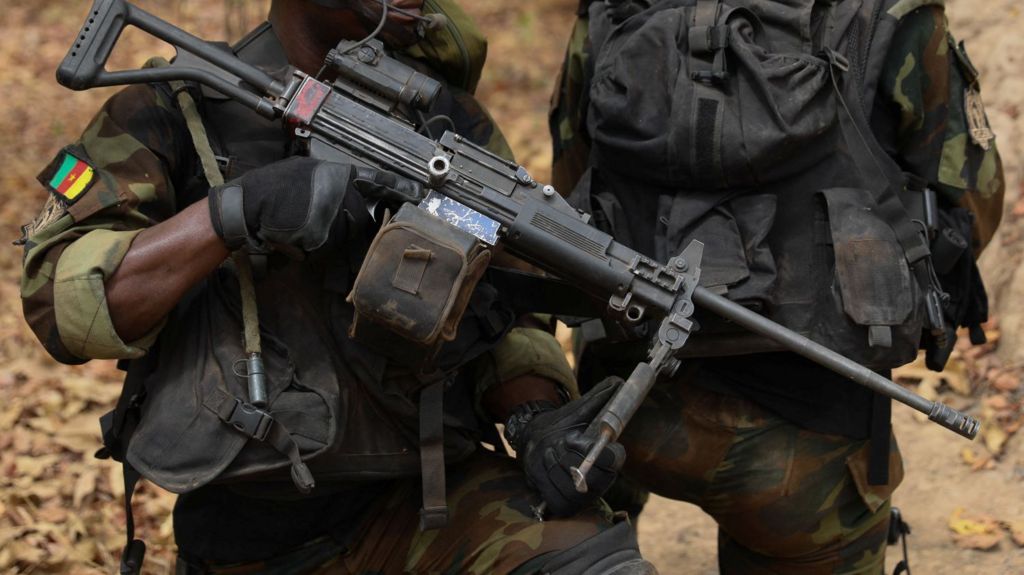
    In an unprecedented judicial ruling, three Cameroonian military personnel have received prison sentences ranging from five to ten years for their involvement in the 2020 Ngarbuh village massacre that claimed 21 civilian lives. The conviction marks a rare instance of accountability for security forces in Cameroon’s protracted Anglophone conflict.

    The military tribunal found the soldiers guilty on multiple charges including murder, arson, and property destruction during a February 2020 operation in the Northwest region. According to Human Rights Watch documentation, the victims included thirteen children among those killed when government forces and ethnic Fulani militia members raided the settlement.

    This judicial outcome represents a significant departure from customary impunity for military personnel in civilian atrocities. The case gained international prominence after initial government denials collapsed under evidentiary pressure, prompting President Paul Biya to authorize an official investigation.

    Legal representatives for the victims expressed profound dissatisfaction with the sentencing severity. Attorney Sother Menkem characterized the penalties as “insignificant” and “friendly” given that Cameroonian law mandates minimum ten-year sentences for such felonies. The court additionally rejected victim compensation claims and declined to prosecute higher-ranking officials allegedly responsible for ordering the operation.

    The Ngarbuh case endured six years of procedural delays before concluding, highlighting systemic challenges in addressing human rights violations within Cameroon’s ongoing separatist conflict. Since 2017, English-speaking regions have witnessed violent clashes between government forces and separatists advocating for an independent state.

    United Nations data indicates the broader conflict has resulted in approximately 6,000 fatalities and displaced over 500,000 civilians, with both government and rebel forces facing allegations of widespread human rights abuses. The sentencing, while historic, underscores continuing tensions between judicial accountability and conflict resolution in Central Africa.

  • How to stay calm when cryptocurrency markets turn brutal

    How to stay calm when cryptocurrency markets turn brutal

    As cryptocurrency markets experience extreme turbulence with even traditional safe-havens like gold exhibiting crypto-like volatility, investors face unprecedented psychological challenges. The current environment, characterized by doomsday predictions and extreme price swings, tests even the most seasoned market participants.

    Financial expert Ann Marie McQueen outlines a comprehensive nine-step approach to maintaining equilibrium during market chaos. The strategy emphasizes that during severe market downturns, the most sophisticated action often involves intentional inaction—avoiding panic-driven decisions that typically undermine long-term investment objectives.

    The methodology begins with physiological regulation through physical activity like walking, yoga, or weightlifting to mitigate the body’s stress response. This is followed by careful curation of information sources to avoid the polarizing narratives dominating social media platforms, where bot accounts and extreme viewpoints create emotional whiplash.

    Investors are advised to reconnect with their original investment thesis, remembering Bitcoin’s fundamental value propositions: decentralization, scarcity, and immutability. The strategy incorporates tactical dollar-cost averaging during downturns, exemplified by how $100 recently acquired 68 XRP compared to just 50 weeks earlier.

    The approach extends beyond financial tactics to include environmental cleansing—removing toxic community influences—and dedicated financial education through structured programs like the 12-week ‘Money Habits’ course. The creator emphasizes constructive channeling of energy into meaningful projects and finding supportive communities that foster grounded discussions rather than fear-mongering.

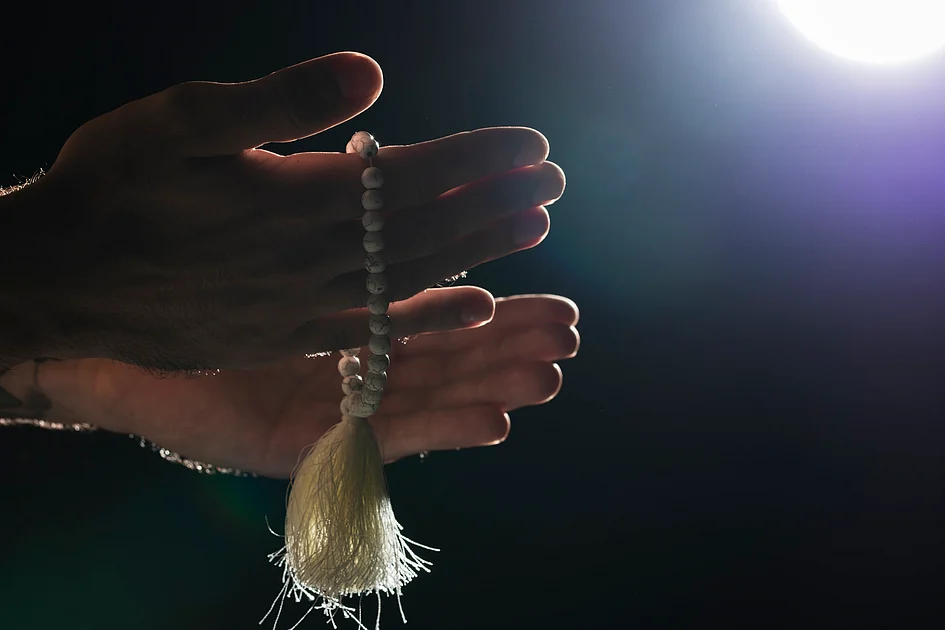
    A profound perspective shift comes from incorporating the Islamic concept of ‘rizq’—the belief that one’s sustenance, including wealth, health, and opportunities, is predetermined. This philosophical framework helps investors focus on controllable factors while releasing anxiety about market movements beyond their influence.

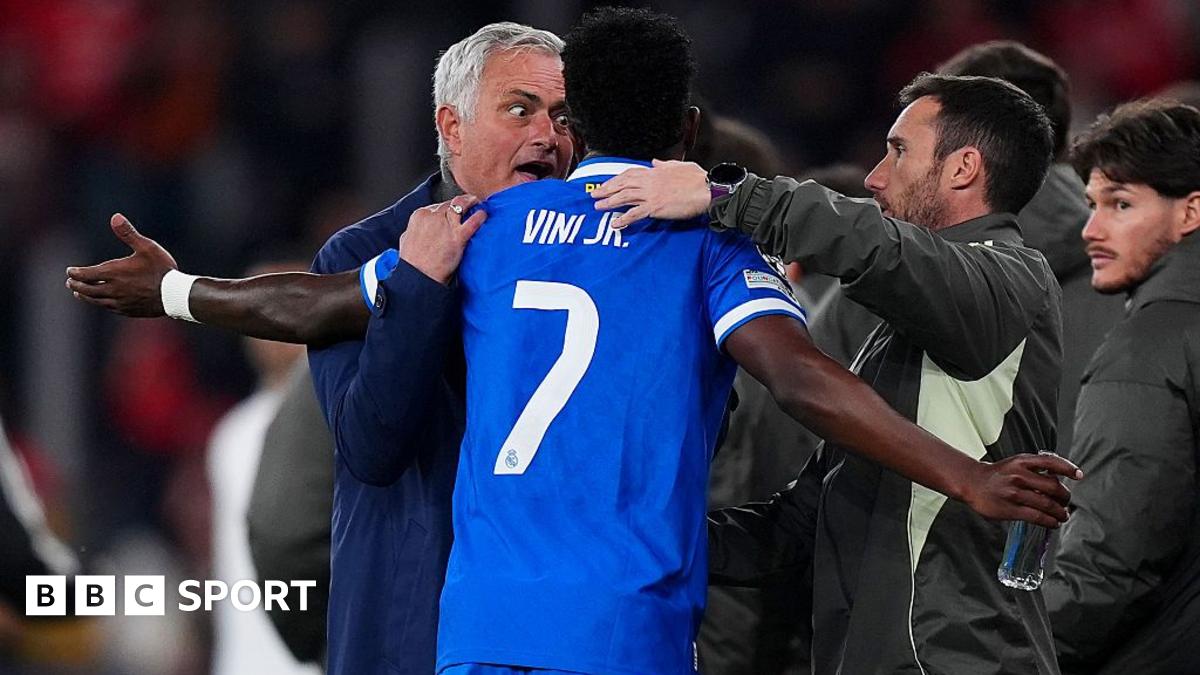
  • ‘Emotional’ Mourinho should apologise – McCarthy

    ‘Emotional’ Mourinho should apologise – McCarthy

    A Champions League match between Real Madrid and Benfica has become the epicenter of a major racism controversy, sparking condemnation across the football world. The incident occurred during Real Madrid’s 1-0 victory on Tuesday when Brazilian forward Vinicius Jr. reported alleged racial abuse from Benfica winger Gianluca Prestianni, leading to a 10-minute match suspension.

    The situation escalated post-match when Benfica manager José Mourinho criticized Vinicius’s goal celebration as “disrespectful” and invoked club legend Eusébio as evidence that Benfica isn’t a racist institution. These remarks have drawn significant criticism, particularly from Benni McCarthy, the former South African striker who won the Champions League under Mourinho at Porto in 2004.

    McCarthy, while acknowledging his personal respect for Mourinho, characterized the comments as “very wrong” and emotionally driven. “I know the statement he made was very wrong. But we’re all human, we all make mistakes,” McCarthy told BBC World Service. “I think it was an emotional decision where he maybe made a call and it wasn’t the right call.”

    UEFA has officially opened an investigation into the allegations, which Prestianni denies. The Argentine winger potentially faces a minimum 10-match European competition ban if found guilty. Benfica has defended their player, claiming a “defamation campaign” against him.

    This incident marks the latest in a disturbing pattern for Vinicius, who has endured approximately 20 alleged racist abuse incidents throughout his playing career. The Brazilian international responded on Instagram, stating simply: “Racists are, above all, cowards.”

    The football community has responded with calls for stronger action. Chelsea coach Liam Rosenior advocated for a zero-tolerance approach: “If any player, any coach or any manager is found guilty of racism, they shouldn’t be in the game. It’s as simple as that.”

    Both McCarthy and Rosenior emphasized that football’s racism problem reflects broader societal issues. McCarthy highlighted the need for difficult conversations: “For this problem to go away, both parties and both races have to be willing to talk about these things.” Rosenior added that the situation “sickens me to be honest” and called for greater accountability beyond football.

    The incident has overshadowed the sporting outcome of the match, where Vinicius’s goal secured Real Madrid’s victory, raising urgent questions about football’s ongoing struggle with racism.

  • Nigerian police say armed group killed 33 in fresh simultaneous attacks

    Nigerian police say armed group killed 33 in fresh simultaneous attacks

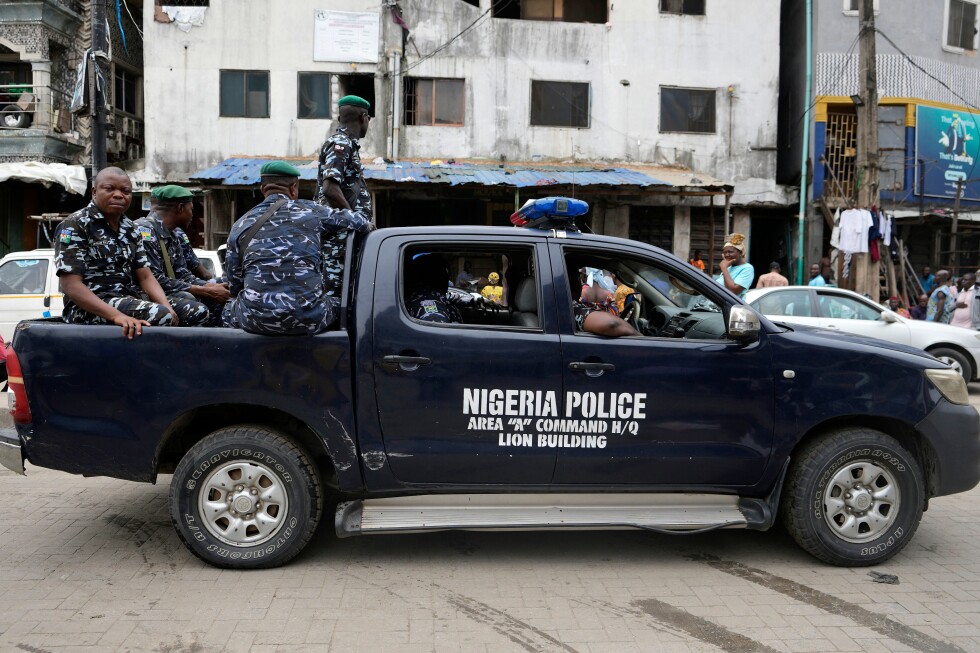
    ABUJA, Nigeria — A devastating series of coordinated attacks by Islamic militants has left at least 33 people dead in Nigeria’s northwestern Kebbi state, according to official police statements. The assault targeted the Biu community on Wednesday, with authorities confirming the involvement of the Lakurawa insurgent group operating across state lines.

    Police spokesman Bashir Usman disclosed in an official communiqué that the attackers originated from neighboring Sokoto state, where the Lakurawa group maintains significant operational presence. Preliminary investigations indicate the militants initially entered the area with the apparent intention of cattle rustling before escalating their assault on local communities.

    Security forces have been deployed to the affected region to restore stability and maintain public order following the brutal incident. The Lakurawa faction, known for its pattern of village raids, livestock theft, and kidnappings for ransom, continues to plague northwestern Nigerian communities with impunity.

    This violence occurs against the backdrop of Nigeria’s escalating security crisis, where both religious extremists and criminal syndicates operate simultaneously across northern territories. In a strategic development, the Nigerian military confirmed this week the arrival of approximately 100 American military personnel to enhance local counterinsurgency capabilities through specialized training programs. This security cooperation marks a significant evolution in U.S.-Nigeria relations following previous diplomatic challenges.

  • Deportation of Chagos Islanders blocked by judge

    Deportation of Chagos Islanders blocked by judge

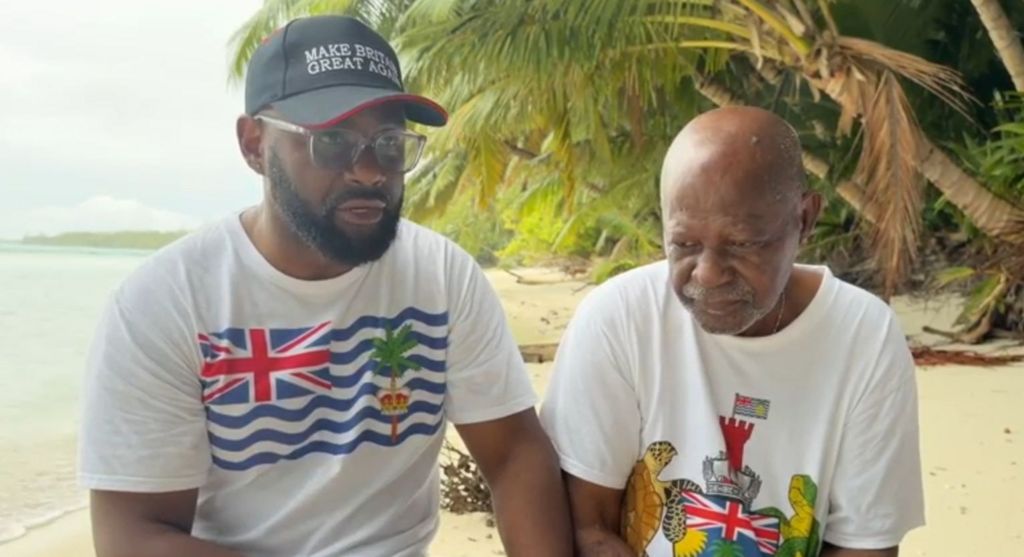
    A British judge has issued a temporary injunction blocking the deportation of four Chagossian activists who traveled to the disputed Chagos Islands to protest the UK’s pending transfer of the territory to Mauritius. The ruling represents a significant legal setback for the British government’s diplomatic efforts.

    The activists arrived by boat from Sri Lanka on Monday, establishing a protest settlement on what they consider their ancestral homeland. British authorities promptly served eviction notices threatening fines or imprisonment for unauthorized presence. However, lawyers successfully obtained a seven-day injunction preventing their removal.

    Chief Justice James Lewis KC of the British Indian Ocean Territory ruled that the balance of convenience favored the claimants, noting they posed no national security threat located 193 kilometers from the Diego Garcia military base. The judge cited concerns about unreasonable delays in processing permit applications and questions regarding the lawfulness of the removal orders.

    The Foreign, Commonwealth & Development Office had previously characterized the journey as an “illegal, unsafe stunt” while acknowledging the protesters presented no security risk to the UK-US military installation. A government spokesperson emphasized that BIOT law requires valid permits for entry regardless of citizenship or heritage.

    Activist Misley Mandarin, one of the British-Chagossians involved, stated they had come “peacefully, respectfully, and without threat to anyone” simply to stand on their homeland. He previously told the BBC that British authorities would have to “drag me from my beach” and “kill me” to force his departure.

    The protest receives financial backing from the Great British PAC, a right-wing political pressure group opposing the sovereignty transfer. Legal representatives indicated readiness for extended court proceedings if removal orders aren’t rescinded.

    This legal development complicates the UK’s planned handover of the archipelago to Mauritius, particularly following former US President Donald Trump’s public opposition to relinquishing Diego Garcia. The UK had agreed to pay Mauritius £101 million annually for 99 years to maintain control of the strategic military base under the disputed agreement.

  • Tunisian MP jailed for eight months over posts mocking president

    Tunisian MP jailed for eight months over posts mocking president

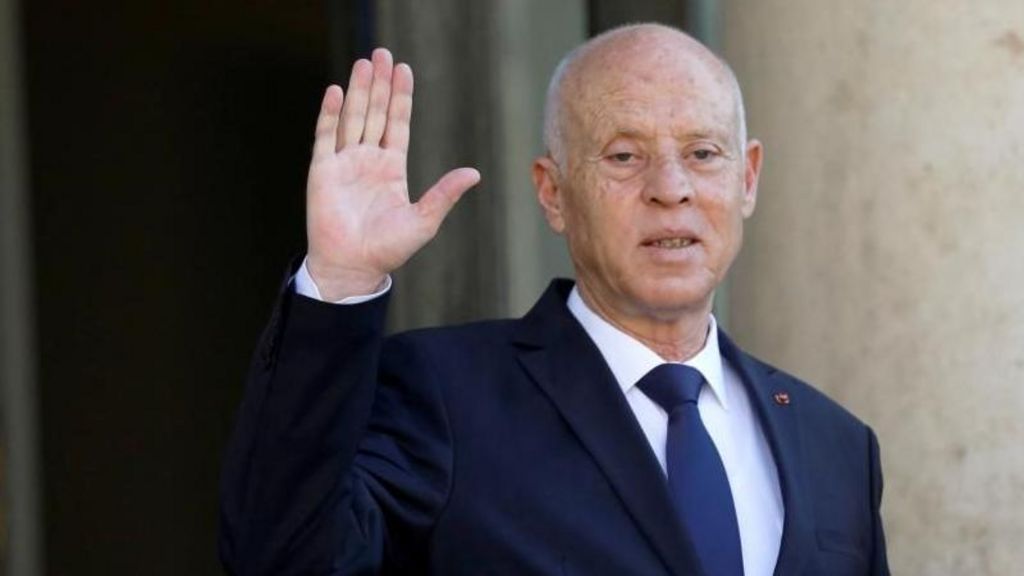
    A Tunisian court has imposed an eight-month prison sentence on parliament member Ahmed Saidani for social media commentary deemed insulting to President Kais Saied. The charges stem from Saidani’s satirical Facebook posts criticizing the president’s response to recent catastrophic flooding that claimed multiple lives.

    Judicial authorities confirmed Saidani was convicted under Article 86 of the telecommunications code, which criminalizes ‘harming others via social media’ with penalties extending to two years imprisonment. The lawmaker’s detention occurred Thursday following his arrest earlier this month.

    Saidani’s legal representative, Houssem Eddine Ben Attia, characterized the prosecution as politically motivated, telling AFP the case represents a concerning application of telecommunications legislation to suppress government criticism.

    The incident has intensified scrutiny of Saied’s governance approach since his 2021 suspension of parliament and assumption of decree powers. Human rights organizations document escalating suppression of dissent, including November’s mass sentencing of opposition figures accused of attempted government overthrow.

    Notably, Saidani previously supported Saied’s power consolidation but recently emerged as a vocal critic. His social media posts sarcastically referred to the president as ‘supreme commander of sanitation and rainwater drainage’ and accused him of photo-opportunism during disaster response while avoiding substantive accountability.

    Fellow legislator Bilel Mechri condemned the imprisonment as institutional sabotage, telling Reuters: ‘How can parliament hold the executive authority to account if it carries out an unlawful arrest over critical views?’

    The case tests Tunisia’s parliamentary immunity provisions, which typically protect lawmakers from detention during official duties except for criminal offenses.

    President Saied, elected in 2019 on promises of stabilizing Tunisia’s post-Arab Spring democracy, maintains his actions uphold legal standards and national cleansing efforts. The 67-year-old leader denies authoritarian tendencies despite mounting international concern over Tunisia’s democratic backsliding.

  • A macabre dispute has kept the body of Zambia’s former president unburied for months

    A macabre dispute has kept the body of Zambia’s former president unburied for months

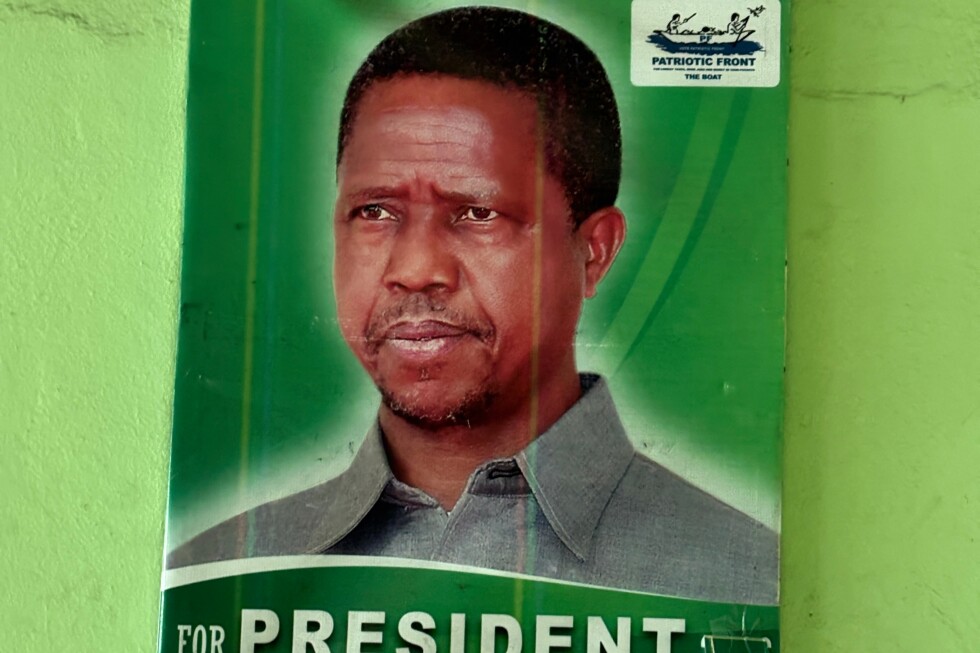
    LUSAKA, Zambia — The mortal remains of former Zambian President Edgar Lungu continue to be held in a South African mortuary eight months after his death, trapped in an extraordinary standoff that blends political rivalry with deep-seated spiritual beliefs. The protracted dispute has prevented the dignified burial traditionally accorded to national leaders in Zambian culture.

    At the heart of the conflict lies a cemetery in Zambia’s capital where an empty, president-sized grave awaits occupancy—a physical manifestation of the bitter divide between Lungu’s family and his successor, President Hakainde Hichilema. Court rulings have consistently favored the government’s position, yet Lungu’s family maintains their resistance, honoring the former leader’s dying wish that Hichilema should not approach his body, even as a mourner.

    This unprecedented situation has evolved into what religious authorities describe as a spiritual confrontation transcending political dimensions. Bishop Anthony Kaluba of Lusaka’s Life of Christ congregation characterizes the struggle as fundamentally spiritual rather than political. The dispute reflects Zambia’s complex intersection of modern democracy and traditional belief systems, where curses and blessings from the dying hold significant cultural power.

    Academic experts note that across Africa, final words from elders possess transformative power to either enhance or obstruct life. Chammah J. Kaunda, a Zambian professor of African Pentecostal theology, explains that curses imposed by elders facing death can develop autonomous existence beyond their initial utterance.

    The conflict originates in Zambia’s vibrant democratic tradition where civilian leaders have succeeded through electoral merit rather than military strength. However, beneath this modern political framework thrives a culture where traditional spirituality coexists with Christianity, and the fear of spiritual retaliation remains potent.

    The courtroom battles have proven intense. A South African court ruled in August that Zambian authorities could repatriate Lungu’s body, but the former president’s sister, Bertha Lungu, responded with emotional outbursts, accusing Hichilema of seeking the body for ritual purposes—an allegation the current president denies, citing his Christian faith’s rejection of traditional religious practices.

    The rivalry between these two figures spans years: Lungu narrowly defeated Hichilema in the 2015 presidential race following Michael Sata’s death, and again in 2016 when Hichilema faced treason charges and imprisonment. The tables turned in 2021 when Hichilema secured victory, leading to the withdrawal of Lungu’s retirement benefits and legal troubles for his family members.

    As the impasse continues, it raises profound questions about political reconciliation, cultural traditions, and the complex legacy of leadership in a nation where the boundaries between the physical and spiritual worlds remain deeply interconnected.

  • South African farmers fear devastation as foot-and-mouth takes hold

    South African farmers fear devastation as foot-and-mouth takes hold

    South Africa’s agricultural sector faces an unprecedented crisis as foot-and-mouth disease has been declared a national disaster, with the viral outbreak now affecting eight of the country’s nine provinces. The highly contagious pathogen has triggered widespread devastation across animal herds, forcing mass culling operations and crippling the nation’s vital livestock exports.

    In the pastoral landscapes of KwaZulu-Natal province—the epicenter of the outbreak and heartland of South Africa’s dairy industry—heightened biosecurity measures have proven insufficient against the relentless spread. The virus, transmitted through direct animal contact or contaminated materials, causes debilitating blisters in mouths and under hooves, leading to lameness, feeding difficulties, and catastrophic milk production declines.

    Carol Houston, a commercial dairy farmer with 35 years of experience, witnessed her daily milk output plummet from 14,000 to 9,000 liters within days of infection. “We invested approximately $380 per cow in treatments and preventive measures,” Houston revealed, “yet the virus breached our defenses regardless.”

    The economic repercussions extend beyond large commercial operations. Small-scale farmers like Nompumelelo Ndlovu, who maintains approximately 20 cattle for trading, face existential threats to their livelihoods. “If vaccines don’t arrive promptly,” Ndlovu expressed, “my entire herd could be compromised, ending my business.”

    Agricultural Minister John Steenhuisen has announced a comprehensive 10-year eradication strategy, prioritizing mass vaccination in severely affected regions before expanding to cover South Africa’s estimated 14-million-strong national herd. However, implementation delays have fueled frustration among farming communities. Vaccine shipments, initially promised for January then February, have repeatedly been postponed.

    President Cyril Ramaphosa’s disaster declaration enables accelerated funding allocation and international vaccine procurement. South Africa, having lost domestic vaccine production capabilities over two decades ago, currently relies on imports—with an initial shipment of one million doses expected from Argentina. Nevertheless, this quantity remains insufficient for nationwide coverage.

    Industry experts like Livestock Wealth’s Ntuthuko Shezi emphasize the urgency: “If we successfully managed COVID-19 vaccinations, we should demonstrate similar efficacy against this outbreak.” The agricultural sector, while representing a modest portion of GDP, serves as a critical employer in rural regions and traditionally generates essential foreign exchange through meat and livestock exports.

  • Lion DNA helps convict poachers for first time

    Lion DNA helps convict poachers for first time

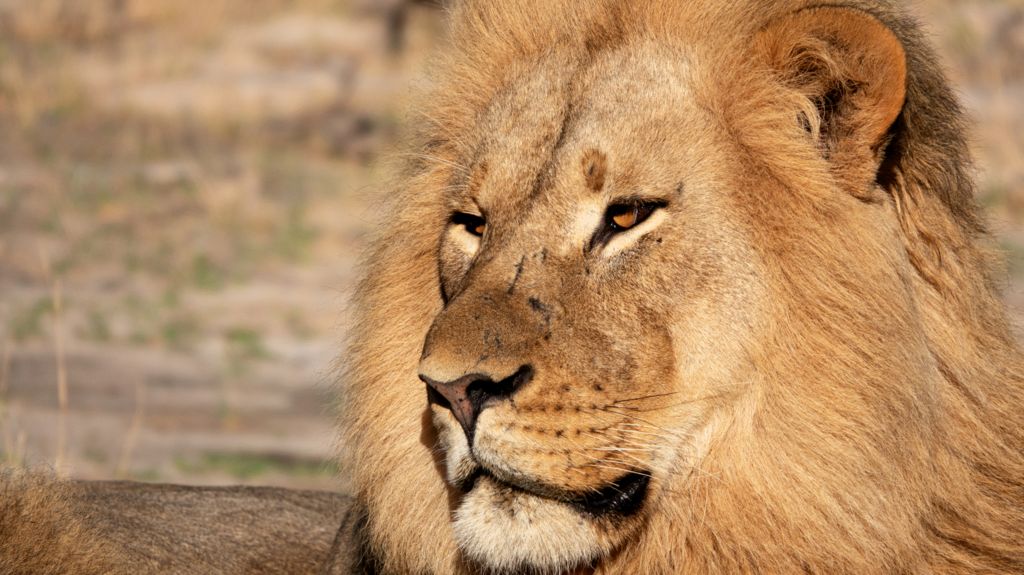
    In an unprecedented legal breakthrough, Zimbabwean authorities have successfully utilized lion DNA evidence to convict poachers for the first time in global wildlife crime history. The landmark case, recently disclosed by wildlife conservation NGO Traffic, demonstrates a revolutionary application of forensic science in combating illegal wildlife trade.

    The groundbreaking prosecution stemmed from a May 2024 incident in Hwange National Park, where wildlife authorities grew suspicious when a radio-collared male lion’s tracking device ceased functioning. Investigators tracing the final signal location discovered a snare containing lion fur, triggering an intensive investigation that led authorities to a nearby village.

    During searches, police uncovered substantial evidence including three sacks of meat, sixteen lion claws, and four teeth in the possession of two suspects. Traditionally, such possession might have been dismissed as inherited traditional ornaments or remains from naturally deceased animals, creating persistent legal hurdles in previous prosecution attempts.

    However, Zimbabwe’s sophisticated lion DNA database—developed over eight years through £250,000 funding from the UK’s People’s Postcode Lottery to the Victoria Falls Wildlife Trust—provided the critical breakthrough. Forensic specialists compared DNA profiles from the seized body parts against the database, achieving perfect matches with the blood sample previously collected from the radio-collared lion.

    Within ten days of the killing, prosecutors presented the irrefutable DNA evidence in court, resulting in both suspects pleading guilty. The convicted poachers received 24-month prison sentences, with the court acknowledging the lion’s value at approximately $20,000.

    Professor Rob Ogden, co-founder of TRACE organization promoting forensic science in wildlife enforcement, hailed the conviction as delivering “a message of hope” demonstrating how integrated training, research, and forensic casework can combat wildlife crime. The anonymous lead scientist involved emphasized the technological leap: “Before this technology, we could only do species identification, which sometimes wasn’t enough. Now we can match specific products to individual lions.”

    The breakthrough arrives amid concerning trends in lion poaching, with recent figures indicating rising demand for body parts used as cultural artifacts in Africa and ingredients in traditional Chinese medicine. Organized crime networks previously focused on rhino horn and ivory trafficking are suspected of diversifying into lion part trades, evidenced by significant seizures including 17 lion skulls intercepted in Lusaka (2021) and over 300kg of lion parts confiscated in Maputo (2023).

    This forensic methodology establishes a powerful new deterrent against wildlife crime, providing law enforcement worldwide with scientifically robust evidence to secure convictions previously impossible to obtain.

  • Ramadan 2026: Tips to prioritise self-care and wellness

    Ramadan 2026: Tips to prioritise self-care and wellness

    As Ramadan approaches in 2026, health experts emphasize the critical importance of integrating comprehensive self-care practices during the holy month of fasting. This spiritual period, while focused on renewal and devotion, presents unique physical and mental challenges that require thoughtful wellness strategies.

    The physiological demands of prolonged fasting hours, altered sleep patterns, and increased social commitments can significantly impact one’s wellbeing. Christian Kiefer, Spa Wellness Project Management expert, notes that wellness during Ramadan serves as an essential support system, helping maintain energy levels, emotional stability, and mental clarity throughout the month.

    A holistic approach to Ramadan wellness encompasses multiple dimensions. Gentle physical therapies including calming massages and aromatherapy rituals help alleviate the physical fatigue that accumulates from fasting and disrupted sleep cycles. Mindful practices such as meditation, deep breathing exercises, and journaling provide mental respite and spiritual connection.

    Nutrition remains paramount during this period. Experts recommend consuming balanced meals during suhoor (pre-dawn meal) and iftar (evening meal), emphasizing complex carbohydrates, proteins, and healthy fats. Hydration during non-fasting hours is crucial, with particular attention to water intake before dawn and after sunset. Incorporating abundant fruits and vegetables ensures adequate vitamin and mineral intake while avoiding excessive fatty and spicy foods.

    Physical activity should be modified to accommodate the fasting state. Light exercises such as stretching, yoga, or evening walks after iftar help maintain circulation and muscle flexibility without overexertion. Sleep prioritization and maintaining consistent rest patterns help the body adapt to changed circadian rhythms.

    Chef Alaa Alnachar of Grand Millennium Hotel Dubai shares a nutritious red lentil soup recipe (Shorbet Aadas) ideal for Ramadan meals. This nutrient-dense dish provides essential proteins and minerals while being gentle on the digestive system during fasting periods.

    Special populations including those with medical conditions, eating disorders, or pregnant/breastfeeding women are advised to consult healthcare professionals before undertaking Ramadan fasting. The integration of community connections through iftar gatherings and family interactions further enhances the holistic wellness experience during this sacred month.