标签: Africa

非洲

  • Global South Journalism steps into the spotlight as Viory launches Global South Video News Awards

    Global South Journalism steps into the spotlight as Viory launches Global South Video News Awards

    In a landmark move for international journalism, Abu Dhabi-based Viory has inaugurated the Global South Video News Awards, creating the first dedicated platform to honor visual storytellers reshaping global perceptions of the Global South. The announcement, made in Abu Dhabi, establishes a prestigious recognition program for video journalists whose work has historically been overlooked by mainstream media institutions.

    The awards initiative emerges as Global South journalists increasingly drive global narratives with authentic, ground-level reporting that challenges outdated media frameworks. Rather than merely emerging, the region’s journalism has firmly established itself as a creative and narrative force, capturing world events with unprecedented immediacy and contextual depth.

    Scheduled to coincide with the BRIDGE Summit on December 9, the awards will recognize footage published between December 2024 and December 2025 across four distinct categories. Each winner will receive Dh12,000 in recognition of their contribution to visual journalism. The categories include: Vital Footage Award (for indispensable storytelling), Best Camerawork (technical and artistic excellence), Exclusive Lens (unique access to key moments), and Most Creative Shot (innovative production techniques).

    According to Viory General Manager Zulayho Siddikova, the awards address growing demand for unfiltered reporting: ‘The Global South Video News Awards celebrate journalism that matters – work that doesn’t just tell stories but makes audiences live them.’

    The program reflects broader shifts in news consumption patterns, with audiences increasingly prioritizing credibility, human context, and real-time verification – qualities consistently delivered by Global South video journalists. In an era of misinformation concerns, verified on-the-ground footage has become essential to global understanding.

    A regional jury of editors and media leaders will select twelve nominees, all invited to Abu Dhabi for the ceremony. The initiative enjoys support from prominent organizations including the Emirates News Agency, TRENDS Research & Advisory, University of Sharjah, African Union of Broadcasting, and multiple international broadcasting unions.

    Viory, headquartered in Abu Dhabi, has established itself as a premier video news hub for the Global South, maintaining a network of thousands of journalists and hosting over 180,000 clips with 400+ hours of monthly live streams across six languages. The platform delivers comprehensive coverage of breaking news, politics, business, sports, technology, and cultural developments across the Global South.
  • UAE residents send up to 3 times money to India as rupee plunges

    UAE residents send up to 3 times money to India as rupee plunges

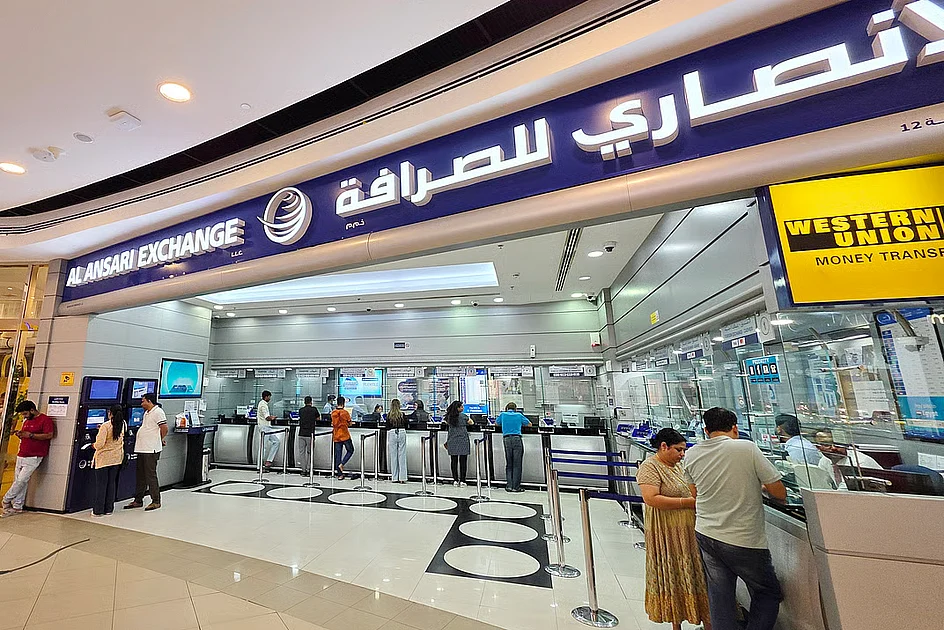
    Indian expatriates across the United Arab Emirates are strategically amplifying their financial remittances amidst the Indian rupee’s historic decline against the UAE dirham. With exchange rates reaching unprecedented levels of approximately ₹24.5 per Dh1, residents are seizing the opportunity to transfer up to three times their usual amounts to families in India.

    The currency depreciation has created an advantageous window for expats to address critical financial obligations back home. Exchange houses throughout the UAE report substantial increases in transaction volumes as workers leverage the favorable rates to cover educational expenses, household bills, and outstanding payments.

    Sharjah resident Arif Khan, typically sending Dh1,200-1,500 monthly, dispatched Dh4,500 in a single transaction. “The additional rupees effectively cover three months of household expenses,” Khan noted. “My wife described it as an unexpected financial blessing.”

    Dubai marketing executive Anthony Varghese characterized the rate shift as an “early Christmas gift,” explaining how his Dh3,000 transfer yielded an extra ₹8,000 compared to previous months—sufficient to cover his daughter’s educational costs.

    For mechanic Farooq Ahmed, the strengthened remittance power provided immediate utility relief. “The ₹4,500 surplus paid our electricity bill and gas cylinder costs,” Ahmed stated. “This represents significant support for middle-class families.”

    Despite these temporary advantages, expatriates acknowledge India’s persistent inflation challenges. Many recipients quickly absorb the increased funds due to rising living costs, indicating that the currency benefits provide temporary relief rather than lasting financial transformation.

    The phenomenon demonstrates how global currency fluctuations directly impact migrant workers’ financial strategies and cross-border economic relationships between major labor destinations and home countries.

  • UN warns of new wave of atrocities in Sudan’s Kordofan region

    UN warns of new wave of atrocities in Sudan’s Kordofan region

    The United Nations’ human rights chief Volker Türk has issued an urgent warning about escalating violence in Sudan’s resource-rich Kordofan region, expressing grave concerns that the area could witness atrocities mirroring the recent horrors witnessed in el-Fasher. This alert comes as the protracted conflict between the Sudanese military and the paramilitary Rapid Support Forces (RSF) enters a dangerous new phase, shifting strategically toward the oil-producing heartlands of central and southern Sudan.

    According to documented evidence, the town of Bara in North Kordofan has already suffered devastating casualties, with at least 269 fatalities recorded since late October through aerial bombardments, artillery shelling, and extrajudicial killings. Telecommunications blackouts across the region have severely hampered verification efforts, suggesting the actual death toll may be substantially higher. Particularly disturbing incidents include an RSF drone strike on November 3 that killed 45 predominantly female victims in an el-Obeid tent settlement, followed by military airstrikes on Saturday claiming 48 lives, mostly civilians, in Kauda, South Kordofan.

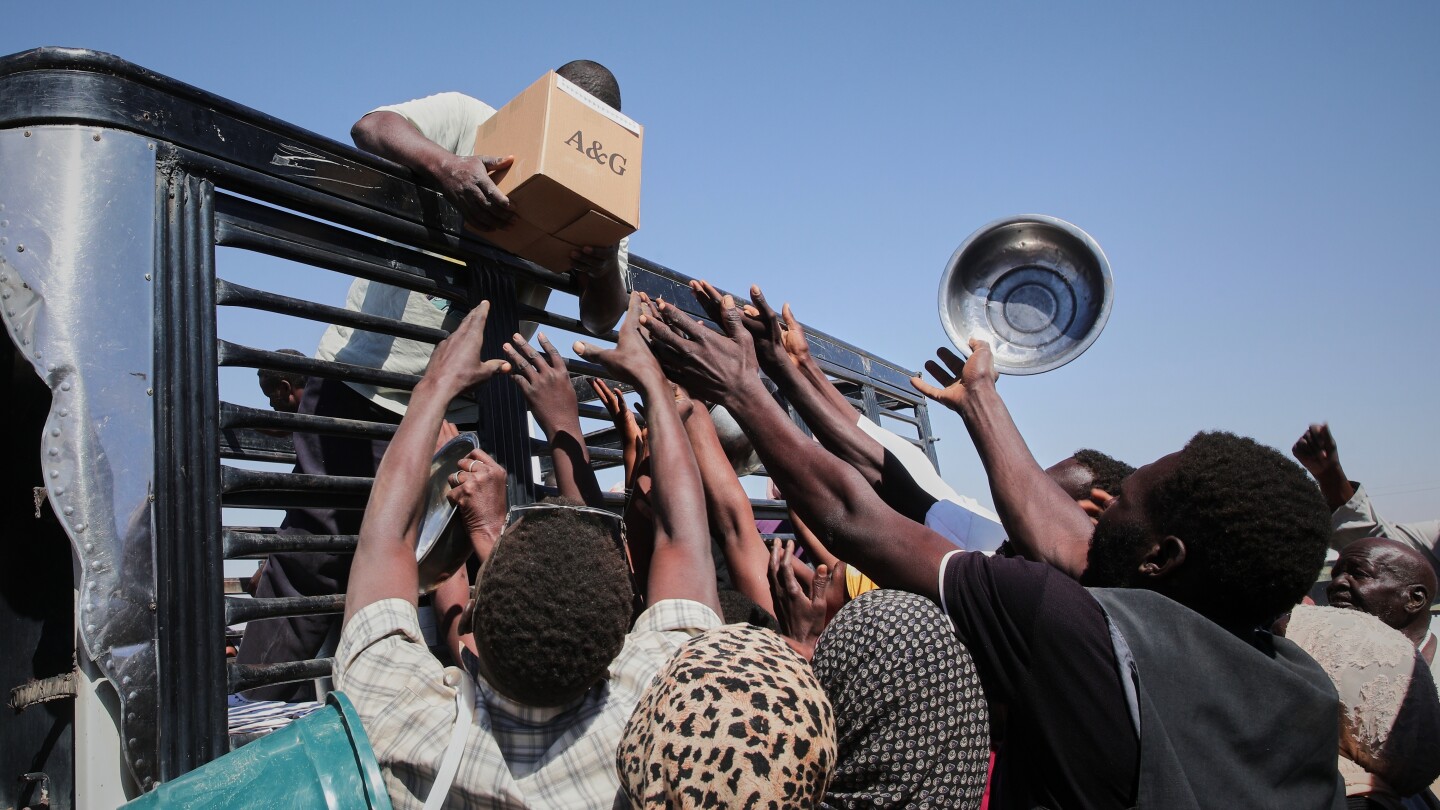
    The RSF’s recent capture of Babanusa’s strategic army headquarters represents a significant tactical advancement, though these claims remain unverified independently. This development has raised alarms among medical professionals associated with the Sudan Doctor’s network, who report that dozens of women and children sheltering within the military compound now face imminent danger. The humanitarian situation has reached catastrophic proportions, with the UN estimating over 44,000 displaced from Kordofan alone, while communities in Kadugli and Dilling face famine conditions under RSF sieges.

    Türk has implored influential nations to immediately intervene by halting weapons transfers that fuel the conflict and restoring telecommunications to facilitate lifesaving assistance. The two-year civil war has already created the world’s most severe displacement crisis with over 14 million affected and an estimated 40,000 fatalities—though actual numbers are believed to be considerably higher according to human rights organizations.

  • Trump hosting the leaders of Congo and Rwanda to sign key deal for peace in eastern Congo

    Trump hosting the leaders of Congo and Rwanda to sign key deal for peace in eastern Congo

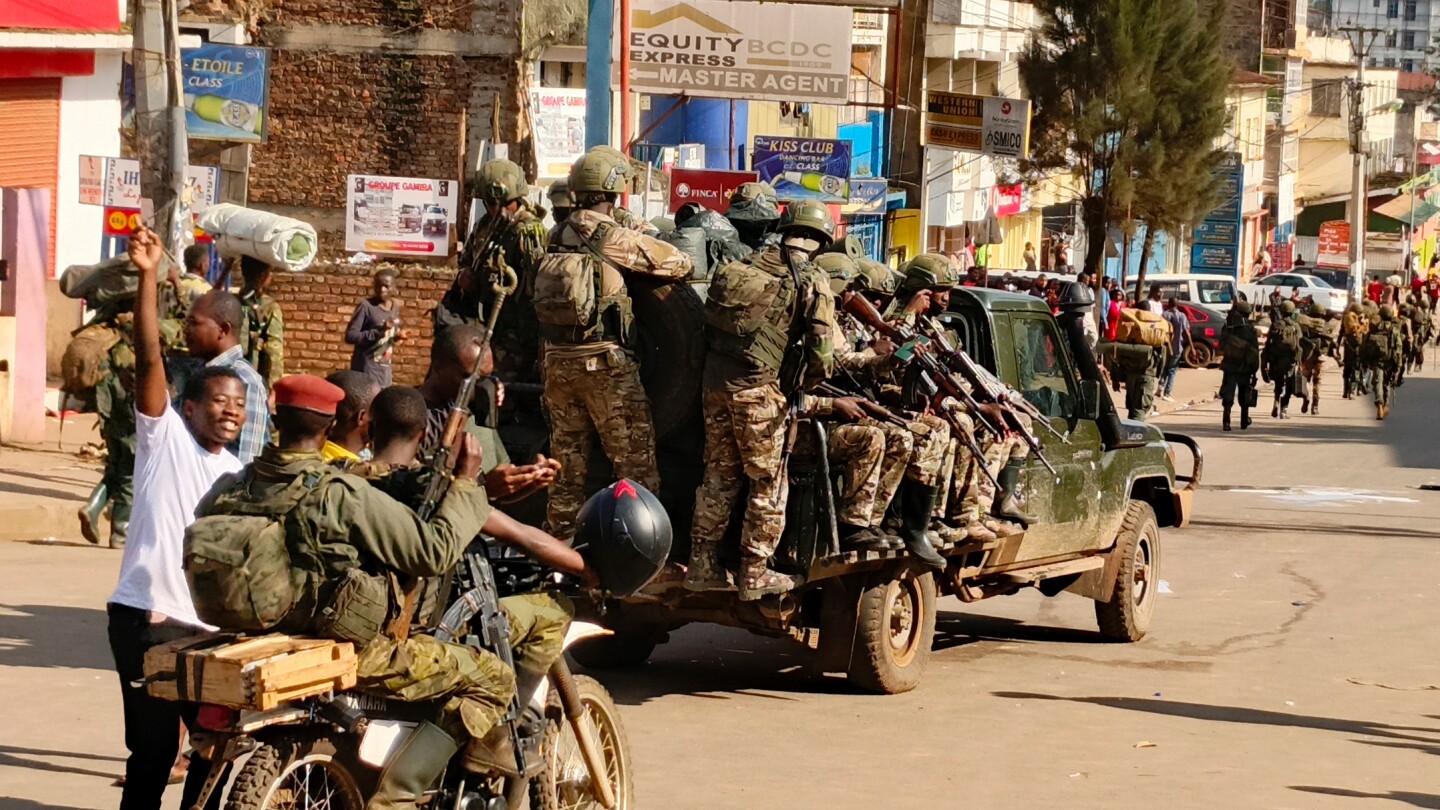
    WASHINGTON — In a significant diplomatic maneuver, the Trump administration has brokered what it terms a “historic” agreement between the Democratic Republic of Congo and Rwanda, aiming to quell decades of conflict in mineral-rich eastern Congo while securing American access to critical rare earth minerals. The signing ceremony, dubbed the Washington Accords for Peace and Prosperity, will bring Presidents Félix Tshisekedi and Paul Kagame to the U.S. Institute of Peace on Thursday for a trilateral meeting with President Trump.

    The accord represents the culmination of months of U.S.-led mediation involving the African Union and Qatar, building upon a preliminary agreement signed in June. Beyond its peace objectives, the pact establishes a Regional Economic Integration Framework that will govern future economic partnerships between the three nations, particularly focusing on Congo’s vast mineral reserves essential for manufacturing fighter jets, cellphones, and other advanced technology.

    This strategic move comes as the United States seeks to counter China’s dominance in rare earth minerals, which currently accounts for nearly 70% of global mining and 90% of processing. By leveraging Congo’s urgent need for security assistance, the Trump administration has positioned American companies to gain preferential access to these resources.

    However, the reality on the ground contrasts sharply with diplomatic optimism. Eastern Congo remains embroiled in violence, with the Rwanda-backed M23 rebels maintaining control over key cities including Goma and Bukavu despite a separate peace agreement between Congo and the rebel group. Residents report ongoing clashes, closed international airports, suspended banking operations, surging crime rates, and skyrocketing prices of essential goods.

    The conflict’s roots extend to the aftermath of Rwanda’s 1994 genocide, where nearly two million Hutus fled into Congo fearing reprisals. Rwandan authorities maintain that Hutu militias operating in eastern Congo pose an existential threat to Rwanda’s Tutsi population, while Congo insists permanent peace requires Rwanda to withdraw both troops and support for M23 rebels. UN experts estimate between 3,000-4,000 Rwandan forces are currently deployed in the region.

    As American business leaders gather for parallel meetings hosted by the U.S. Chamber of Commerce to explore investment opportunities in minerals, energy, and tourism, Congolese civilians express skepticism. “We are still at war,” stated Amani Chibalonza Edith, a 32-year-old Goma resident. “There can be no peace as long as the front lines remain active.”

  • Trump to host signing of peace deal between leaders of DR Congo and Rwanda

    Trump to host signing of peace deal between leaders of DR Congo and Rwanda

    In a significant diplomatic development, the leaders of the Democratic Republic of Congo and Rwanda are preparing to formalize a peace agreement during a Washington summit convened by US President Donald Trump. This high-stakes diplomatic initiative unfolds against a backdrop of intensified combat operations in the mineral-rich eastern territories of DR Congo, where government forces continue to engage with Rwanda-backed M23 rebel factions.

    Recent days have witnessed a concerning escalation of hostilities, with Congolese military authorities accusing M23 insurgents of deliberately undermining the peace process through renewed offensive operations. Conversely, rebel leadership contends that government forces initiated violations of existing ceasefire arrangements. The M23 movement, which captured substantial territories including the strategic trading hub of Goma earlier this year, remains absent from the primary negotiation table, instead participating in parallel discussions mediated by Qatari officials.

    The forthcoming agreement addresses core grievances from both nations: Rwanda demands the disarmament of FDLR militia elements linked to the 1994 genocide, while DR Congo insists on the complete withdrawal of Rwandan military presence from its eastern provinces. Historical context reveals this conflict’s complexity, with multiple failed peace initiatives since the 1990s attributed to mutual non-compliance with similar provisions.

    US diplomatic engagement appears driven by substantial economic interests, with President Trump explicitly acknowledging American acquisition of mineral rights as part of the June preliminary agreement. The Democratic Republic of Congo possesses an estimated $25 trillion in mineral reserves, including critical components for electronic devices, renewable energy infrastructure, and military equipment.

    Despite ceremonial preparations in Washington, regional analysts maintain cautious skepticism regarding the agreement’s practical implementation. Security researchers note the absence of an active ceasefire and continued territorial expansion by rebel forces, suggesting the signing ceremony may primarily serve symbolic rather than operational purposes.

    International mediation efforts feature unusual coordination between the United States and Qatar, with each nation leveraging distinct diplomatic relationships—Washington maintaining stronger ties with Kinshasa, while Doha enjoys closer relations with Kigali. The participation of additional African and Arab leaders underscores the agreement’s regional significance, though the path to sustainable peace remains fraught with historical grievances and competing economic interests.

  • How a sperm bank for cheetahs might one day save the fastest land animal

    How a sperm bank for cheetahs might one day save the fastest land animal

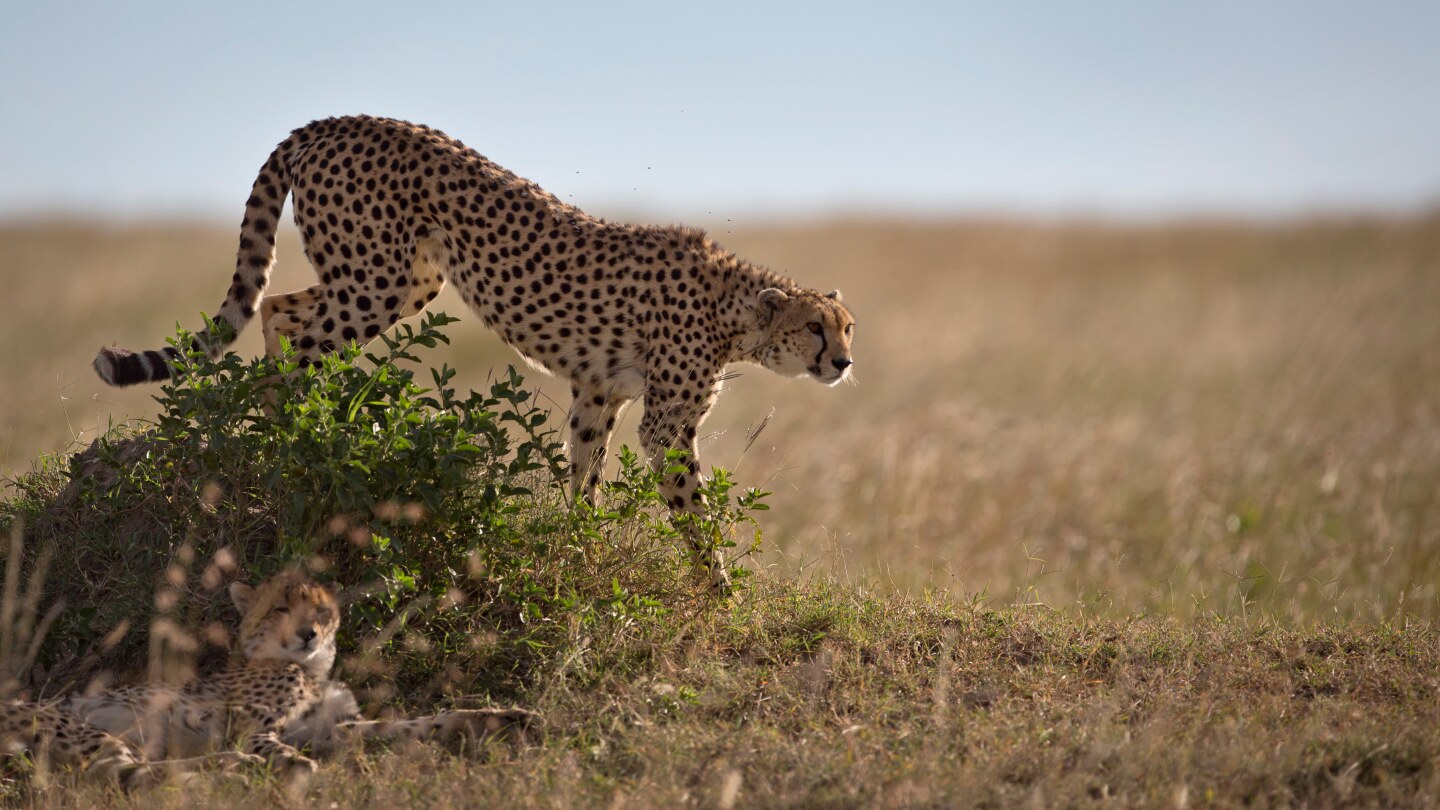
    CAPE TOWN, South Africa — For over three decades, pioneering American zoologist Dr. Laurie Marker has been meticulously building a biological insurance policy against the potential extinction of the world’s fastest land mammal. At her Cheetah Conservation Fund laboratory in Namibia, she has assembled one of the world’s most comprehensive cheetah sperm banks—a collection she hopes conservationists will never need to use.

    This genetic repository, established in 1990 and containing specimens from approximately 400 individual cheetahs, represents a critical safeguard against what Marker describes as a ‘worst-case scenario’ for the species. The initiative comes as cheetah populations face unprecedented threats, with fewer than 7,000 individuals remaining across just 33 fragmented wild populations, primarily throughout Africa.

    The urgency of such conservation measures was highlighted on World Cheetah Day, with current cheetah numbers mirroring those of critically endangered black rhinos. Modern threats including habitat fragmentation, human-wildlife conflict, and illegal wildlife trafficking have reduced global cheetah populations by 80% over the past half-century, eliminating them from 90% of their historical range.

    Compounding these challenges is the species’ concerning genetic profile. Scientific research indicates cheetahs narrowly avoided extinction during the last ice age approximately 10,000-12,000 years ago, resulting in significantly reduced genetic diversity. This historical bottleneck, combined with contemporary population isolation and documented reproductive challenges—including 70-80% abnormal sperm rates—creates a perfect storm of vulnerability.

    Marker’s approach represents a established conservation strategy increasingly employed for endangered species worldwide. Similar reproductive technologies are being deployed in the desperate attempt to save the northern white rhino, of which only two females remain. While that effort has yet to produce successful pregnancies, other species like the black-footed ferret have been successfully bred through artificial reproduction techniques after reaching critically low population levels.

    The Cheetah Conservation Fund collects samples opportunistically rather than through active pursuit—gathering genetic material during veterinary interventions with injured or captured animals, as well as from deceased specimens. All samples are preserved at ultralow temperatures using liquid nitrogen technology.

    While approximately 1,800 cheetahs currently exist in captive environments worldwide, Marker notes that the species breeds poorly in captivity, making the frozen genetic repository potentially essential for future conservation efforts. ‘Without this resource,’ Marker emphasizes, ‘we simply wouldn’t have much of a chance should the species face imminent extinction.’

  • Dubai: Supermoon to rise over Meydan Racecourse during Friday night racing

    Dubai: Supermoon to rise over Meydan Racecourse during Friday night racing

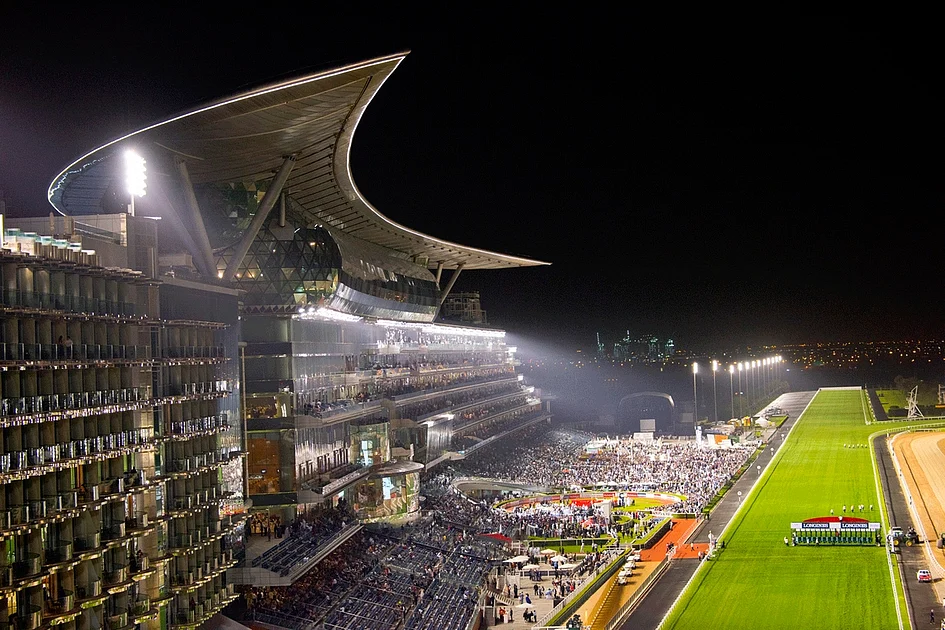
    Dubai’s iconic Meydan Racecourse will witness a remarkable celestial convergence this Friday evening as the final supermoon of 2025 rises directly above the grandstand during night racing events. This rare astronomical occurrence, scheduled for December 5th at precisely 5:48 PM, will create an unprecedented urban stargazing opportunity alongside thoroughbred racing action.

    The Dubai Racing Club has announced a special partnership with Dubai Astronomy Group to enhance this unique experience for attendees. The collaboration will provide racing enthusiasts and astronomy aficionados with specialized telescopes and expert guidance within the Paddock Garden area. This marks the first time such a celestial event has coincided with a major horse racing competition in the United Arab Emirates.

    Sophie Ryan, Head of Corporate Communications, Marketing and Brand at Dubai Racing Club, emphasized the significance of the occasion: ‘As the concluding supermoon of 2025, this event represents the culmination of the year’s major lunar phenomena. Our collaboration with astronomy experts allows us to create lasting memories for both racing fans and celestial observers.’

    The supermoon phenomenon occurs when the moon reaches its closest orbital point to Earth while in its full phase, resulting in visibly enhanced size and brightness. Gates will open at 4:00 PM with the first race commencing at 5:30 PM, strategically timed to coincide with the lunar appearance.

    Beyond the astronomical spectacle, the Paddock Garden will feature culinary offerings from popular Dubai establishments including Little Fox by Rowley’s, SALT, McGettigan’s, and Yamanote Atelier. Admission tickets are priced at 75 AED and available through the official Dubai Racing Club website.

  • UAE: 16 men caught, 27 vehicles seized in Fujairah during National Day holiday

    UAE: 16 men caught, 27 vehicles seized in Fujairah during National Day holiday

    Fujairah and Dubai police forces conducted extensive traffic enforcement operations during the UAE’s 54th National Day holiday period from November 28 to December 2, resulting in significant enforcement actions against dangerous driving behaviors. Authorities in Fujairah apprehended 16 individuals and impounded 27 vehicles for serious traffic violations, while Dubai police seized 49 vehicles and 25 motorcycles during the same operational period.

    The Fujairah Police referred the detained individuals to Public Prosecution for engaging in hazardous activities that compromised public safety. These violations included the improper deployment of spray cans, foam materials, and water cannons in a manner that endangered both participants and bystanders. The enforcement initiative was specifically intensified throughout the five-day holiday window to ensure resident safety during national celebrations.

    Traffic safety statistics revealed 270 recorded accidents within Fujairah during the monitoring period, with 269 classified as minor incidents and one resulting in injuries. Dubai authorities simultaneously issued 3,153 traffic citations for various infractions related to disruptive driving patterns.

    Police officials noted that national holidays occasionally attract irresponsible motorists who exploit celebratory events to engage in dangerous driving practices. The coordinated enforcement response demonstrates the UAE’s ongoing commitment to maintaining public order and road safety. Law enforcement agencies have reiterated calls for responsible behavior during national celebrations, emphasizing that compliance with traffic regulations reflects the values of the Union while reinforcing the nation’s dedication to security and stability.

  • President Trump’s contempt shocks the country’s largest Somali community

    President Trump’s contempt shocks the country’s largest Somali community

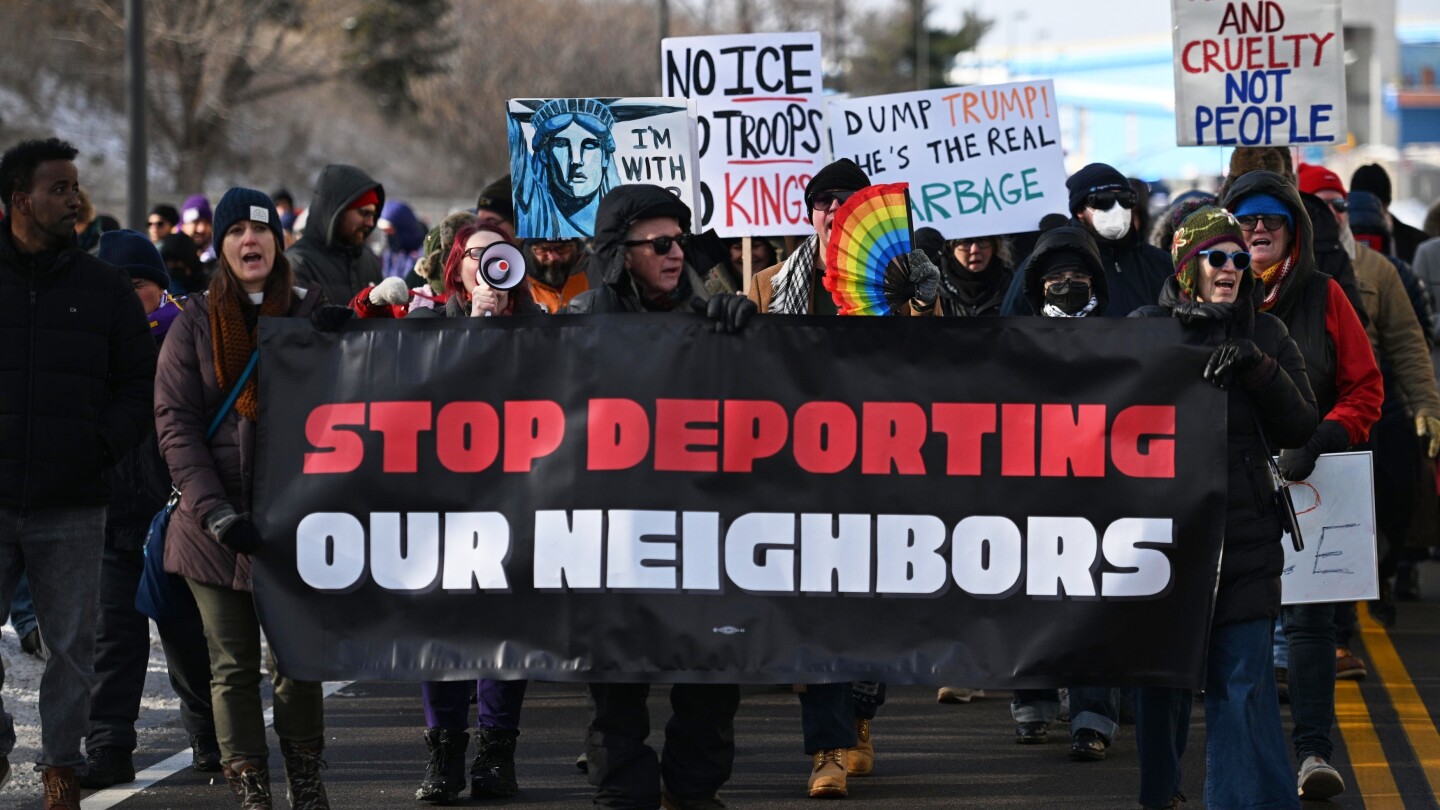
    President Donald Trump’s characterization of Somali immigrants as “garbage” who “should be out of here” and have “destroyed our country” has ignited fierce backlash within America’s largest Somali community in Minneapolis. The remarks, made during Tuesday’s Cabinet meeting and reiterated Wednesday, specifically targeted Democratic Rep. Ilhan Omar alongside broader condemnation of Somali immigrants.

    The Minneapolis-St. Paul area hosts approximately 84,000 Somali descendants, representing nearly one-third of all Somalis in the United States. This community has developed substantial political and economic influence since refugees first began settling in Minnesota during the 1990s, attracted by robust social services and established diaspora networks.

    Hamse Warfa, a Somali-born U.S. citizen and successful entrepreneur who now leads national education nonprofit World Savvy, responded unequivocally: “I am not garbage.” Emphasizing the weight of presidential rhetoric, Warfa noted, “Words matter a lot — especially when it’s the president of the United States who is talking.”

    The administration’s verbal attacks coincide with operational changes, including pausing all immigration applications from 19 banned nations—Somalia among them—following a recent National Guard shooting in Washington. Reports also indicate federal authorities are preparing targeted immigration enforcement operations in Minnesota focusing primarily on Somali immigrants living unlawfully in the U.S., though most Minnesota Somalis are U.S. citizens, many born domestically.

    Local leadership including Governor Tim Walz and Minneapolis Mayor Jacob Frey have pledged to protect Somali residents against broader blame for recent fraud cases in public programs. Frey affirmed Minneapolis “will remain a city that stands up for our residents,” signaling continued support for the community amidst escalating tensions.

  • UAE autonomous delivery: Drones and robots transform last-mile logistics for smart cities

    UAE autonomous delivery: Drones and robots transform last-mile logistics for smart cities

    The United Arab Emirates is establishing itself as a global frontrunner in autonomous delivery infrastructure, with major logistics providers talabat and noon Minutes leading the transformation of last-mile logistics through drone and robotic systems. This strategic advancement aligns with the nation’s comprehensive digitalization agenda and sustainability objectives, positioning the UAE at the forefront of smart city mobility solutions.

    According to May Youssef, Senior Director for Communications, Public Affairs and Sustainability at talabat, drone delivery represents a fundamental component of the country’s vision for intelligent and eco-friendly logistics networks. ‘Drone delivery introduces a low-emission alternative that complements existing transportation frameworks while supporting national autonomous mobility goals,’ Youssef explained, emphasizing the project’s integration with regulated aerial pathways and smart infrastructure.

    The evolution toward autonomous systems builds upon previous innovations, including talabat’s 2023 deployment of food-delivery robots (talabots) in collaboration with Dubai’s Roads and Transport Authority and Dubai Integrated Economic Zones Authority. These initiatives provided critical operational insights into how autonomous technologies navigate urban environments and interact with existing infrastructure.

    Gianluca Marchiori, Vice President of Logistics at noon Minutes, characterized autonomous delivery as the logical progression for enhancing service reliability and geographical reach. ‘Our objective remains constant: to make deliveries in the UAE faster, greener, and more dependable,’ Marchiori stated, noting that technological implementation must be supported by human oversight and integrated within broader logistical ecosystems.

    Both companies acknowledge significant operational challenges including safety protocols, regulatory compliance, airspace coordination, and environmental variables. talabat’s current pilot phase prioritizes comprehensive testing and evidence-based development before public implementation. ‘Our methodology emphasizes responsible innovation rather than accelerated expansion,’ Youssef clarified, indicating that select Abu Dhabi communities will receive drone delivery services following successful trials and regulatory approval.

    noon Minutes envisions autonomous technology extending ultra-fast delivery capabilities to previously underserved regions including emerging residential areas, remote islands, and agricultural zones. The company anticipates achieving consistent fifteen-minute delivery windows as systems mature and scale throughout 2026.

    The coordinated advancement of autonomous delivery solutions reflects the UAE’s broader ambition to become a regional hub for technology-driven logistics. This transformation anticipates a future hybrid network combining drones, robots, automated distribution centers, and intelligent routing systems with conventional delivery methods—creating a comprehensive framework designed for efficiency, scalability, and environmental sustainability.