标签: Africa

非洲

  • Why Gen-Z is rethinking failure and how to navigate it

    Why Gen-Z is rethinking failure and how to navigate it

    Generation Z finds itself at a critical crossroads, compelled to fundamentally redefine societal notions of failure and accountability in an era of unprecedented digital connectivity. Unlike previous generations, today’s youth navigate a world where global awareness amplifies personal anxieties about career aspirations and financial stability.

    The digital revolution has created what psychologists term ‘the comparison paradox’ – constant exposure to curated success stories worldwide has generated unprecedented pressure while simultaneously revealing systemic inequalities. This generation grapples with existential questions about meritocracy’s validity when confronting repeated setbacks in achieving promised lifestyles.

    Contemporary analysis reveals Gen Z’s distinctive approach to failure attribution. Where previous generations typically internalized setbacks, digital natives demonstrate heightened awareness of institutional and systemic barriers. This perspective shift represents both adaptive resilience and potential avoidance of personal accountability, creating complex psychological dynamics.

    Mental health experts identify this generational characteristic as ‘contextualized failure assessment’ – the ability to recognize how external factors contribute to personal outcomes without completely absolving individual responsibility. This balanced approach allows for constructive criticism of systems while maintaining personal agency.

    The article draws from personal narrative illustrating this evolution: from dishwashing positions to editorial mastheads, demonstrating how perceived failures transformed into foundational experiences. This journey exemplifies Gen Z’s emerging paradigm where setbacks become data points rather than destiny determinants.

    Professional psychologists note this generation’s development of ‘productive resilience’ – building support networks and self-empathy practices that acknowledge systemic challenges while cultivating personal growth. This represents a significant departure from traditional ‘pull yourself up by bootstraps’ mentality, incorporating both structural awareness and personal accountability.

    Ultimately, Generation Z’s redefinition of failure may represent the most significant psychological adaptation to digital transformation, creating new frameworks for success measurement that acknowledge both personal effort and systemic realities in our interconnected world.

  • Arne Slot searches for positives as Liverpool drop points again

    Arne Slot searches for positives as Liverpool drop points again

    Liverpool’s concerning run of form persisted as they narrowly avoided a disastrous defeat against Sunderland, managing only a 1-1 draw in Wednesday’s Premier League clash. The match represented another setback for manager Arne Slot’s squad following their promising 2-0 victory over West Ham United just days earlier.

    Florian Wirtz’s deflected effort in the 81st minute ultimately rescued a point for the struggling champions, preventing what would have marked their tenth loss in fourteen competitive fixtures this season. The pattern of inconsistent performances continues to define Liverpool’s campaign, characterized by moments of progress followed by significant regression.

    Slot acknowledged the team’s persistent difficulties in his post-match comments, stating to BBC: ‘Repeatedly this season, we’ve conceded from limited opposition opportunities. While fortunate not to suffer defeat tonight—a scenario that would have resulted in loss in previous weeks—our inability to secure victory remains troubling.’

    The Dutch manager highlighted Liverpool’s fundamental deficiency in offensive effectiveness, noting: ‘After fourteen matches, our production from open play and set pieces remains insufficient.’ Statistical analysis supported Slot’s assessment, revealing Liverpool’s overwhelming possession dominance and pass completion rates more than doubling Sunderland’s, yet yielding minimal genuine scoring threats until Wirtz’s fortunate intervention.

    Slot elaborated to Sky Sports: ‘Similar to the West Ham match, we created limited opportunities while conceding few. The deflection goal against us exemplified misfortune, but ultimately we required luck when Alisson faced one-on-one situations.’

    The match nearly concluded in dramatic fashion during added time when Wilson Isidor bypassed goalkeeper Alisson Becker, only to see his goalbound effort miraculously cleared off the line by Federico Chiesa. Slot praised the defensive commitment: ‘That clearance demonstrates the absolute effort required—continuous effort ultimately prevented certain defeat.’

    The result leaves Liverpool seeking solutions to their scoring inefficiency and defensive vulnerabilities as they navigate a season increasingly defined by underperformance relative to expectations.

  • Dubai: Mountaineer, 64, scales Mount Gori Chen in Himalayas

    Dubai: Mountaineer, 64, scales Mount Gori Chen in Himalayas

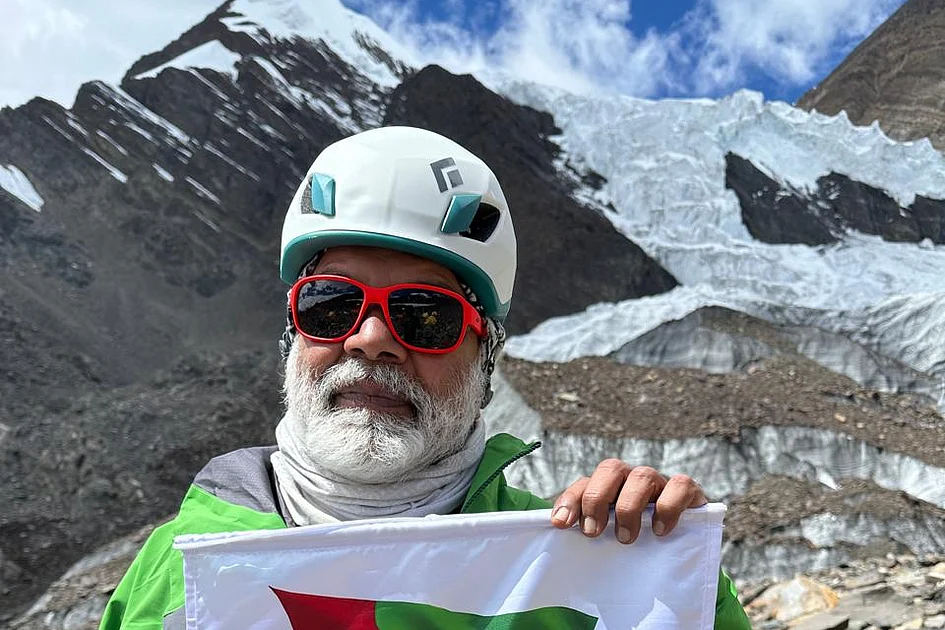
    In an extraordinary demonstration of human resilience, 64-year-old Dubai resident and veteran mountaineer Jayesh Choksi has successfully summited Mount Gori Chen in the Eastern Himalayas. The challenging ascent to 6,488 meters (21,286 feet) near the contentious India-China border in Arunachal Pradesh represents another significant achievement in Choksi’s extensive climbing career spanning numerous global peaks.

    The December expedition carried symbolic significance beyond personal accomplishment. Choksi proudly planted the flag of Dubai-based Kanz Jewels at the summit, creating a powerful visual statement against the breathtaking Himalayan backdrop after days of strenuous climbing through difficult terrain and extreme altitude conditions.

    Reflecting on his achievement, Choksi offered an inspirational perspective: “Dreams don’t retire, they climb higher. At 64, I wanted to remind everyone that passion and courage can take you to unimaginable heights.” His accomplishment challenges conventional perceptions about age limitations and physical achievement.

    Anil Dhanak, Managing Director of Kanz Jewels, extended congratulations to the mountaineer, noting that Choksi’s triumph perfectly embodies the jewelry brand’s core values of resilience, ambition, and pushing beyond perceived limitations. The successful expedition serves as a metaphor for overcoming challenges regardless of age or circumstance.

    The ascent of Mount Gori Chen, while not among the world’s highest peaks, presents significant technical challenges and requires substantial mountaineering expertise, particularly given its remote location and proximity to sensitive border areas. Choksi’s accomplishment highlights the growing trend of older athletes continuing to pursue ambitious physical challenges and redefining expectations of aging.

  • As Trump hosts Congo and Rwanda’s leaders for peace deal, here’s what to know about the conflict

    As Trump hosts Congo and Rwanda’s leaders for peace deal, here’s what to know about the conflict

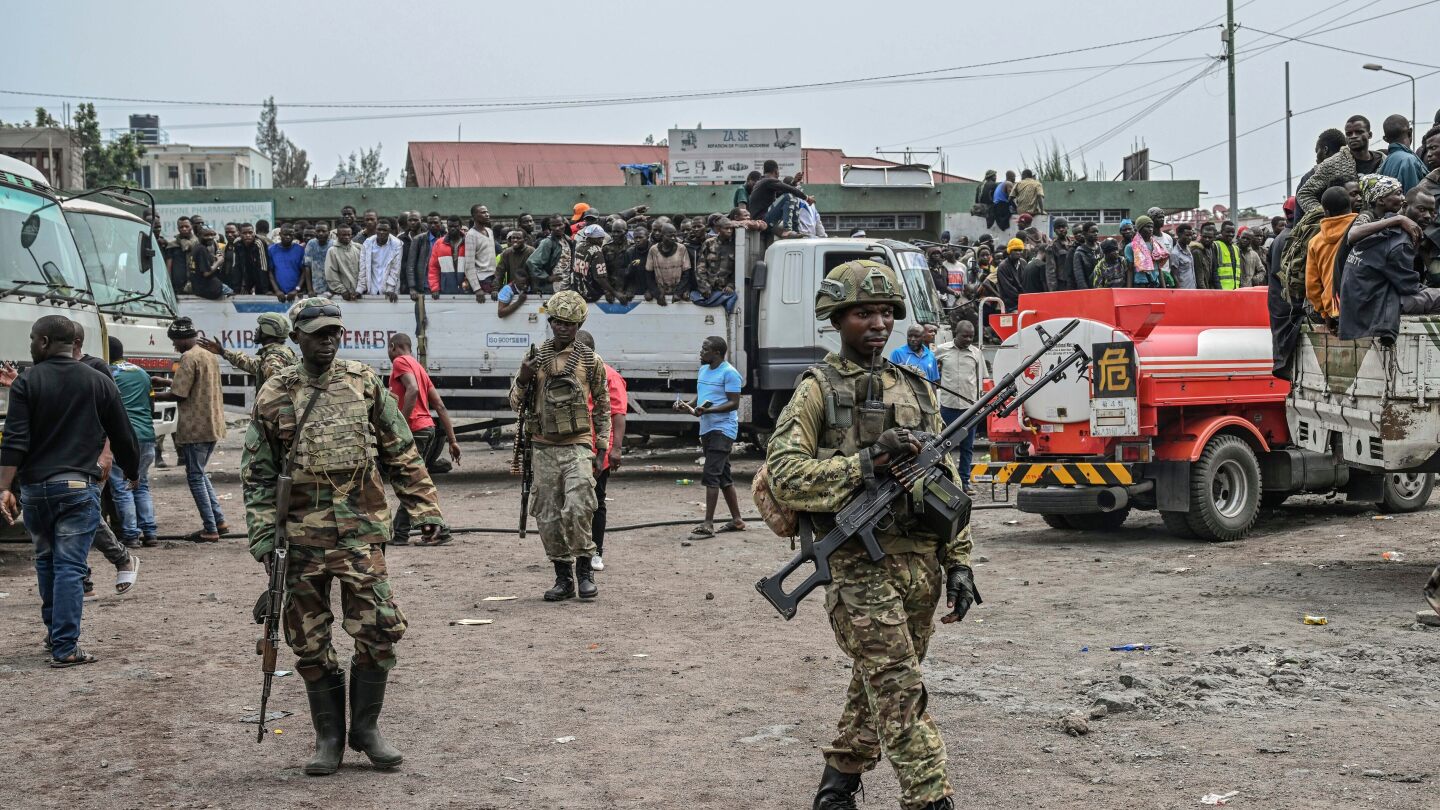
    In a significant diplomatic initiative, U.S. President Donald Trump convened the leaders of the Democratic Republic of Congo and Rwanda at the White House on Thursday to formalize a peace agreement addressing one of Africa’s most protracted conflicts. This high-stakes mediation effort seeks to resolve tensions that have persisted for over two decades in Congo’s mineral-rich eastern regions.

    The conflict, which traces its origins to the aftermath of Rwanda’s 1994 genocide, has recently escalated with the Rwanda-backed M23 rebel group capturing strategic cities including Goma and Bukavu earlier this year. Despite previous mediation attempts by Qatar and the United States, ceasefire violations have continued with both M23 rebels and Congolese forces accusing each other of breaching agreements.

    At the heart of the dispute lies complex ethnic tensions between Hutu and Tutsi communities, with Rwanda alleging that Congo provides sanctuary to Hutu militias responsible for the genocide, while Congo accuses Rwanda of backing Tutsi-dominated M23 rebels under the pretext of protecting ethnic Tutsis. United Nations experts estimate approximately 6,500 M23 fighters currently operate in eastern Congo, with up to 4,000 Rwandan forces reportedly deployed in the region.

    The geopolitical significance of Congo’s mineral wealth adds considerable complexity to the conflict. As the world’s largest cobalt producer and a leading supplier of coltan—essential minerals for electric vehicles, electronics, and defense systems—the region’s resources have attracted international interest from both China and the United States. A recent UN report indicated Rwanda may be benefiting from fraudulently exported minerals from M23-controlled territories, though Rwandan authorities deny these allegations.

    Despite the region’s immense natural wealth, approximately 60% of Congo’s 100 million citizens live below the poverty line, with conflict over resources perpetuating instability. The Trump administration’s mediation reflects Washington’s strategic interest in securing critical mineral supplies amid growing competition with China, which currently dominates rare earth element processing.

  • Etzebeth banned for 12 weeks over eye gouge

    Etzebeth banned for 12 weeks over eye gouge

    South African rugby veteran Eben Etzebeth has been suspended for 12 weeks following an eye-gouging incident during last weekend’s test match against Wales. The disciplinary ruling comes after the double World Cup-winning lock made contact with Welsh forward Alex Mann’s eye area during the 79th minute of play.

    The incident occurred during South Africa’s dominant 73-0 victory at Cardiff’s Principality Stadium, where Etzebeth had entered the match as a second-half substitute. French official Luc Ramos issued an immediate red card after reviewing the contact on the stadium’s giant screens—marking the first sending-off in Etzebeth’s 141-cap international career.

    An independent judicial committee chaired by Christopher Quinlan KC determined the contact was intentional, categorizing it as a mid-range offense that typically carries an 18-week suspension. The panel reduced the ban to 12 weeks considering Etzebeth’s previously clean disciplinary record and other mitigating factors.

    The suspension will affect both Etzebeth’s international availability and his commitments with the Sharks club, keeping him sidelined until late March 2026. This ruling highlights World Rugby’s stringent stance on eye contact offenses, which can result in bans ranging from 4 weeks to 4 years depending on severity and intent.

    Notably, Etzebeth becomes the third Springbok forward to receive a red card in their recent four-match autumn series, though previous dismissals for Franco Mostert and Lood de Jager were subsequently overturned or downgraded upon review.

  • What to know about the long-running corruption case of former South African president Zuma

    What to know about the long-running corruption case of former South African president Zuma

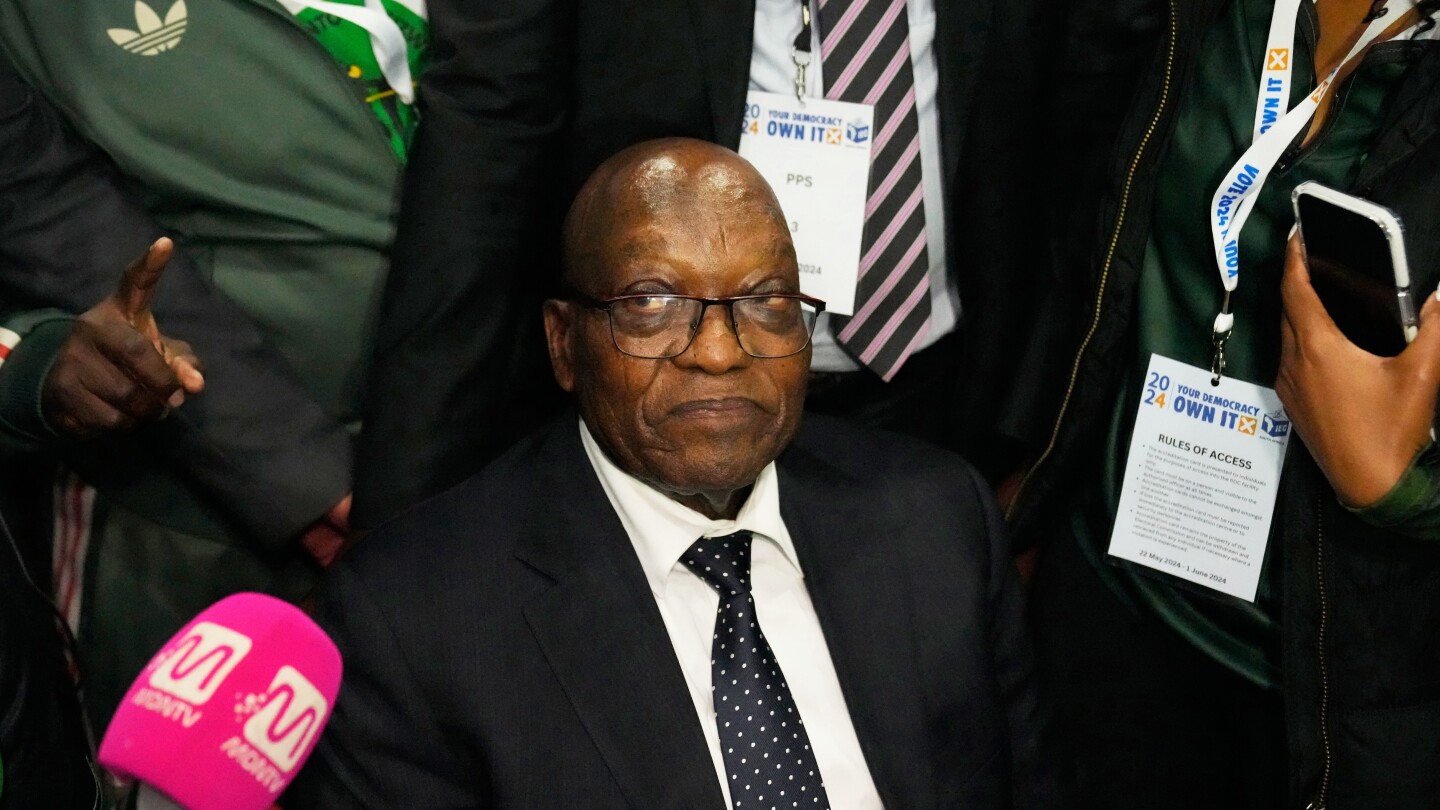
    JOHANNESBURG — In a pivotal courtroom confrontation, former South African President Jacob Zuma and French defense conglomerate Thales appeared before the Pietermaritzburg High Court on Thursday seeking dismissal of corruption charges that have spanned nearly two decades. The 81-year-old liberation struggle icon, who presided over South Africa from 2008 to 2018, faces 18 counts of corruption, fraud, and money laundering tied to a controversial 1999 arms transaction.

    Prosecution authorities presented a compelling argument before Judge Nkosinathi Emmanuel Chili, contending that Zuma and Thales have systematically exploited legal appeals to postpone trial proceedings for 18 years. Advocate Trengrove, representing the National Prosecuting Authority, revealed that the defense teams have collectively filed 12 separate interlocutory applications, all ultimately dismissed yet successfully delaying judicial resolution.

    Zuma maintains his innocence, characterizing the prosecution as a politically motivated “witch hunt.” His legal team has raised multiple objections, including challenges to lead prosecutor Advocate Billy Downer’s impartiality and claims that the deaths of two key Thales executives—former directors Pierre Moynot and Alain Thetard—have compromised their ability to mount an effective defense.

    The former president’s extensive legal troubles extend beyond this case. In 2021, he served a 15-month prison sentence for contempt of court after refusing to testify before the Zondo Commission investigating corruption allegations. Although released on medical parole, his freedom was temporarily jeopardized when the parole was declared unlawful. Most recently, Zuma was ordered to reimburse the state $1.6 million plus interest for illegally funded legal fees from his personal corruption defense—a judgment he continues to contest through appeals.

    This week’s proceedings represent a critical juncture in one of South Africa’s most protracted legal battles, with prosecutors now seeking to prevent further delays and compel the case to trial.

  • US and Kenya sign first of what are expected to be dozens of ‘America First’ global health deals

    US and Kenya sign first of what are expected to be dozens of ‘America First’ global health deals

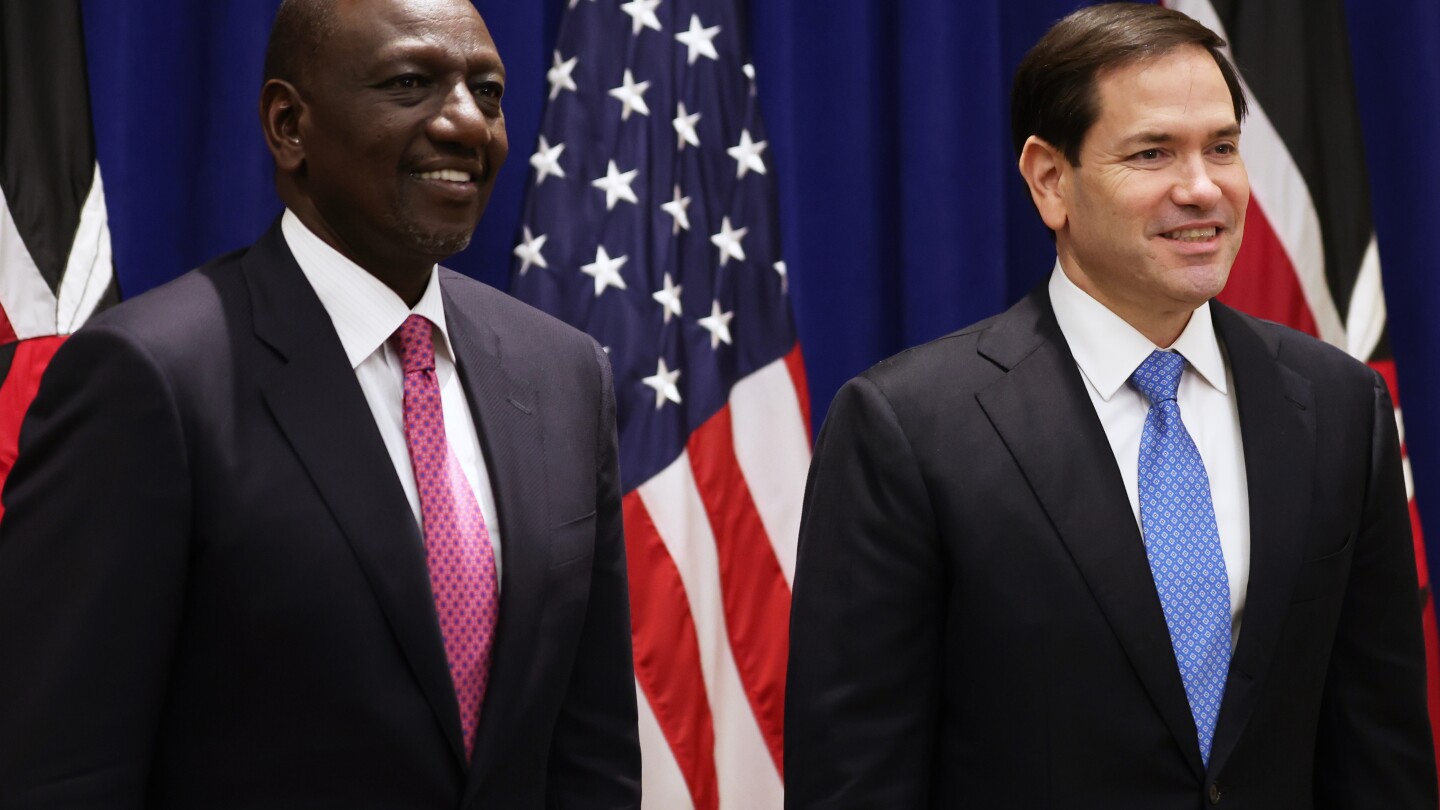
    The Trump administration has initiated its new ‘America First’ global health strategy by formalizing a major $2.5 billion, five-year health agreement with Kenya. Signed by Secretary of State Marco Rubio and Kenyan President William Ruto, this pact represents the first in an anticipated series of bilateral health funding agreements designed to align U.S. foreign assistance with the administration’s broader geopolitical objectives.

    This new cooperation framework replaces previous multi-lateral health programs traditionally administered by the U.S. Agency for International Development (USAID), which was dismantled earlier this year. The move has drawn significant criticism from the global health community, as the closure of USAID resulted in the termination of hundreds of programs across the developing world, including initiatives focused on maternal and child healthcare, nutrition, and HIV/AIDS prevention.

    The Kenya agreement allocates $1.7 billion from the U.S. government, with Kenya contributing the remaining $850 million. Funding will prioritize combating infectious diseases such as HIV/AIDS, malaria, and tuberculosis, with an emphasis on supporting faith-based medical providers. All clinics and hospitals within Kenya’s health insurance system will be eligible for funding, provided they comply with U.S. restrictions on abortion services. State Department officials Jeremy Lewin and Brad Smith confirmed the agreement includes protections against discrimination based on sexual orientation, gender identity, or profession.

    In parallel with the health agreement, U.S. officials praised Kenya’s leadership in international stabilization efforts, particularly its role in combating powerful gangs in Haiti. The administration plans to extend similar health agreements to other African nations aligned with its foreign policy stance, though political differences with the Trump administration may exclude major players like Nigeria and South Africa.

  • Future-ready school set to solve real-world challenges

    Future-ready school set to solve real-world challenges

    Dubai has entered a new chapter in educational excellence with the groundbreaking establishment of the School of Research and Innovation (SRI), redefining conventional learning paradigms through its integrated approach to future-focused education. As the region’s first institution specifically designed to prepare students for rapidly evolving global challenges, SRI converges technology, industry partnerships, and innovation under a single comprehensive ecosystem.

    Under the enhanced British curriculum framework, SRI introduces the distinctive ‘Trailblazer’ program, enabling students to explore diverse passions spanning sports, technology, performing arts, and academic disciplines. This initiative provides dedicated time for hands-on, career-oriented projects that facilitate self-discovery and strength identification. According to Dino Varkey, Group CEO at GEMS Education, the program fundamentally connects theoretical learning to practical real-world applications while simultaneously developing essential communication skills through public speaking and debating platforms.

    The school’s creation responds directly to the UAE’s transformation into a global innovation hub, marking a strategic shift from importing human capital to cultivating homegrown talent. SRI’s philosophy centers on empowering young minds to think boldly, experiment fearlessly, and engage meaningfully with global challenges through university-grade laboratories, innovation studios, and cutting-edge facilities rarely seen in K-12 education.

    Despite being categorized among Dubai’s premium educational institutions, SRI’s value proposition extends beyond conventional metrics. The investment translates into unparalleled opportunities: students build functional mini-Teslas, program self-driving vehicles, train with cognitive tools utilized by Manchester United, and receive instruction from robotics specialists at Boston Dynamics and Kawasaki.

    The institution embeds research and innovation principles throughout daily learning experiences, prioritizing future-essential skills including creativity, problem-solving, adaptability, and technological fluency. By exposing students to diverse professional fields early in their academic journey, SRI ensures graduates enter university or workplace environments with clarified direction, confidence, and practical capabilities that transcend traditional academic preparation.

  • Macron vows to fight for French journalist’s release in Algeria after court appeal fails

    Macron vows to fight for French journalist’s release in Algeria after court appeal fails

    PARIS — In a significant development impacting Franco-Algerian relations, an Algerian appellate court has confirmed the seven-year imprisonment sentence for French sports journalist Christophe Gleizes, dashing hopes for his imminent release. The verdict, delivered on Wednesday, sustains the original conviction of “glorifying terrorism” under Algeria’s stringent anti-terrorism legislation.

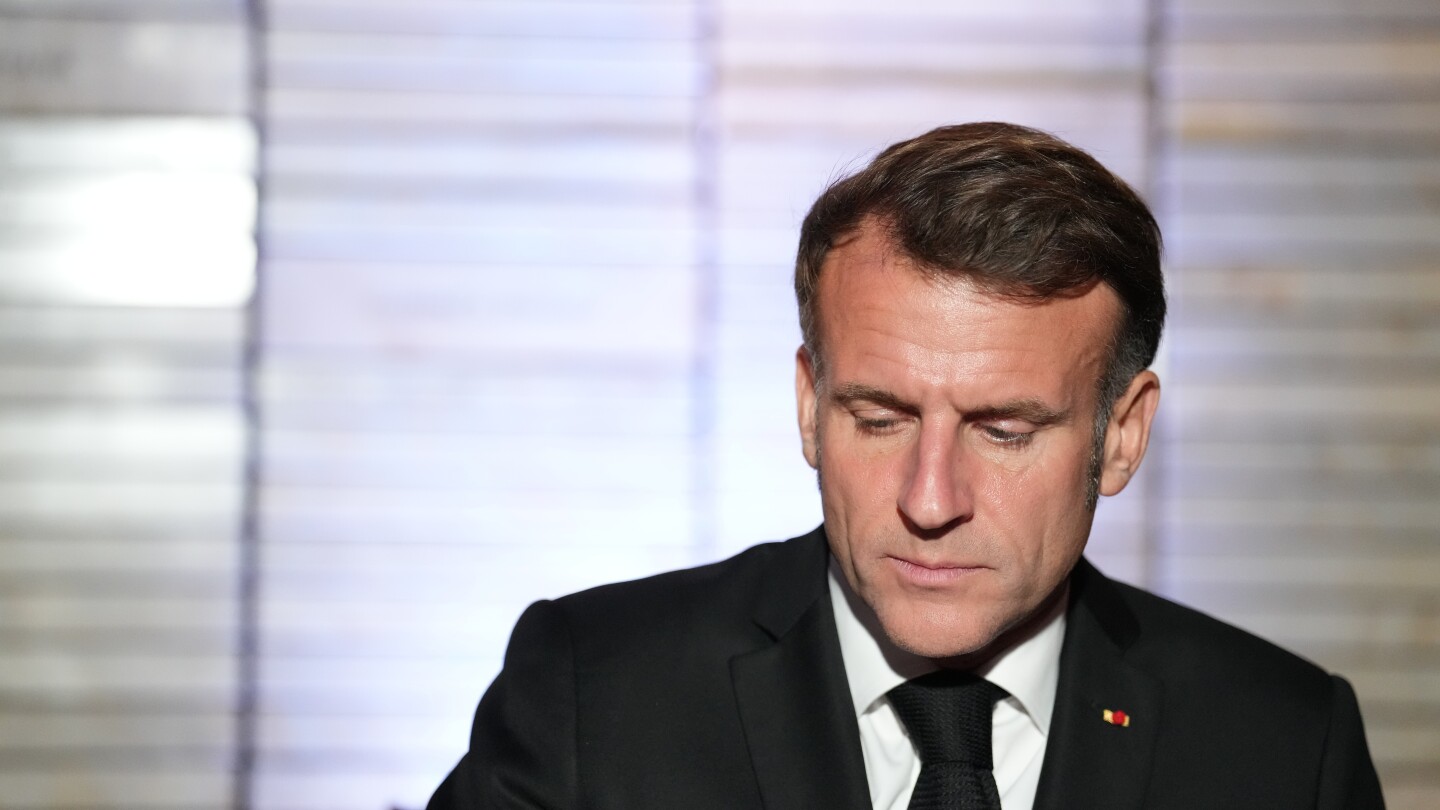
    French President Emmanuel Macron has reaffirmed his administration’s commitment to securing Gleizes’ freedom, declaring through an official statement that France “will continue to take action with the Algerian authorities to obtain his release and his return to France as soon as possible.” This diplomatic stance follows the disappointing appellate outcome that occurred on Wednesday.

    The case originated six months ago when Gleizes, a 36-year-old freelance journalist, conducted an interview with a soccer official allegedly connected to a prohibited separatist organization. Algerian prosecutors successfully argued that the journalist violated counter-terrorism statutes and possessed materials intended for propaganda purposes—charges that have drawn substantial criticism from international human rights organizations and French media outlets.

    During appellate proceedings in Tizi Ouzou, Gleizes reportedly admitted guilt and acknowledged “many journalistic mistakes,” according to his Algerian legal representative, Amirouche Bakouri. The journalist appealed for prosecutorial clemency and forgiveness, emphasizing his desire to reunite with his family in France.

    The recent improvement in Franco-Algerian relations, highlighted by last month’s release of French-Algerian novelist Boualem Sansal, had generated optimism among diplomatic circles regarding Gleizes’ potential release. With judicial appeals now exhausted, the journalist’s fate rests exclusively with Algerian President Abdelmadjid Tebboune’s prerogative of pardon.

    The French soccer league has joined the call for Gleizes’ liberation, urging member clubs and supporters to amplify appeals for his release. Notably, Gleizes remains the only French journalist currently imprisoned worldwide according to media advocacy groups.

  • US-based Tanzanian activist blames government for Instagram ban

    US-based Tanzanian activist blames government for Instagram ban

    In a significant development highlighting digital activism and political repression, prominent Tanzanian critic Mange Kimambi has alleged government involvement in the removal of her Instagram accounts, which boasted nearly three million followers. The US-based former fashion model has been utilizing these platforms to organize opposition against President Samia Suluhu Hassan’s administration.

    Meta, Instagram’s parent company, stated the accounts were eliminated due to recidivism policy violations, specifically prohibiting the creation of new accounts resembling previously removed ones. However, Kimambi maintains this action represents governmental retaliation for her activism.

    Tanzanian authorities have dismissed these allegations, with government spokesman Gerson Msigwa demanding proof. This controversy emerges amidst ongoing political turmoil following the October 29 elections, which President Hassan won with approximately 98% of votes after key opponents were disqualified or detained.

    The situation has attracted international attention, with the US State Department announcing a comprehensive review of bilateral relations with Tanzania. Thursday’s statement cited concerning democratic backsliding, human rights violations, repression of religious freedom and speech, and failure to prevent electoral violence.

    Kimambi faces legal challenges in Tanzania, including charges of economic sabotage and money laundering involving $56,000. She contends these allegations are politically motivated attempts to silence her criticism. Despite her accounts’ removal, Kimambi continues advocating for peaceful protests through her remaining X platform, addressing an open letter to US President Donald Trump requesting Meta reinstate her pages.

    This case highlights growing tensions between digital activism and state control, with Tanzania’s political landscape becoming increasingly scrutinized by international observers concerned about democratic principles and human rights protections.