标签: Africa

非洲

  • Liveability now key in Dubai’s luxury real estate market

    Liveability now key in Dubai’s luxury real estate market

    A fundamental transformation is reshaping Dubai’s high-end property sector, where the traditional allure of prestigious brands is being eclipsed by a new premium on holistic wellness and sustainable living. This paradigm shift, driven by an influx of global ultra-high-net-worth (UHNW) individuals, is redefining luxury not as mere opulence but as an ecosystem that enhances physical and mental wellbeing.

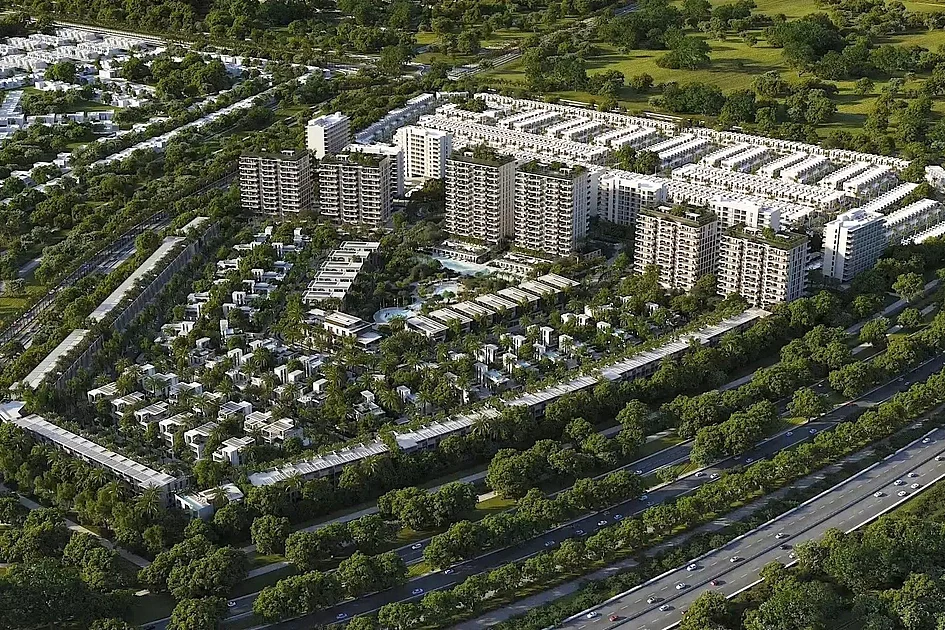
    At the forefront of this movement is MAG Lifestyle Development with its Dh3 billion Keturah Reserve project in Meydan. Conceived as a pioneering ‘bio-living’ community, the development is strategically located a short, low-congestion drive from Downtown Dubai. CEO Talal M. Al Gaddah identifies liveability as the paramount concern for today’s affluent buyers, stating that properties which genuinely elevate resident wellness create a natural, sustainable demand. This, he argues, forms the foundation of a superior investment proposition: “where people insist on living, capital inevitably follows.”

    The design philosophy transcends conventional landscaping. Thousands of Ficus and ‘Rain’ trees from Thailand, alongside sculptural dry gardens, are integral functional infrastructure designed to foster a profound connection to nature. The community will comprise 533 low-rise apartments, 93 sold-out townhouses, and 90 villas, all meticulously crafted to maximize natural light, airflow, and harmony with the environment.

    Enhancements to the original blueprint include expanded residential blocks, upgraded wellness amenities, and improved communal spaces. Apartments, ranging from 1,106 to 4,883 sq ft, are notably larger than market averages. Further elevating the resident experience is a premium concierge service, featuring on-demand Rolls-Royce chauffeur bookings accessible via a dedicated community application.

    In a significant move towards market transparency and integrity, fäm Properties has been appointed as the exclusive Master Agency for the project’s final sales phase. New investors are offered milestone-based payment plans coupled with contractual delivery guarantees. Main contractor CITIC Middle East Contracting LLC is committed to a phased handover schedule, with townhouses completed by Q2 2027, apartments by Q3/Q4 2027, and villas by Q1 2028. This approach is hailed as aligning with the Dubai Land Department’s objectives for robust investor protection and is seen as empowering brokers who prioritize client financial safety.
  • UN chief condemns drone attacks on peacekeeping base in Sudan

    UN chief condemns drone attacks on peacekeeping base in Sudan

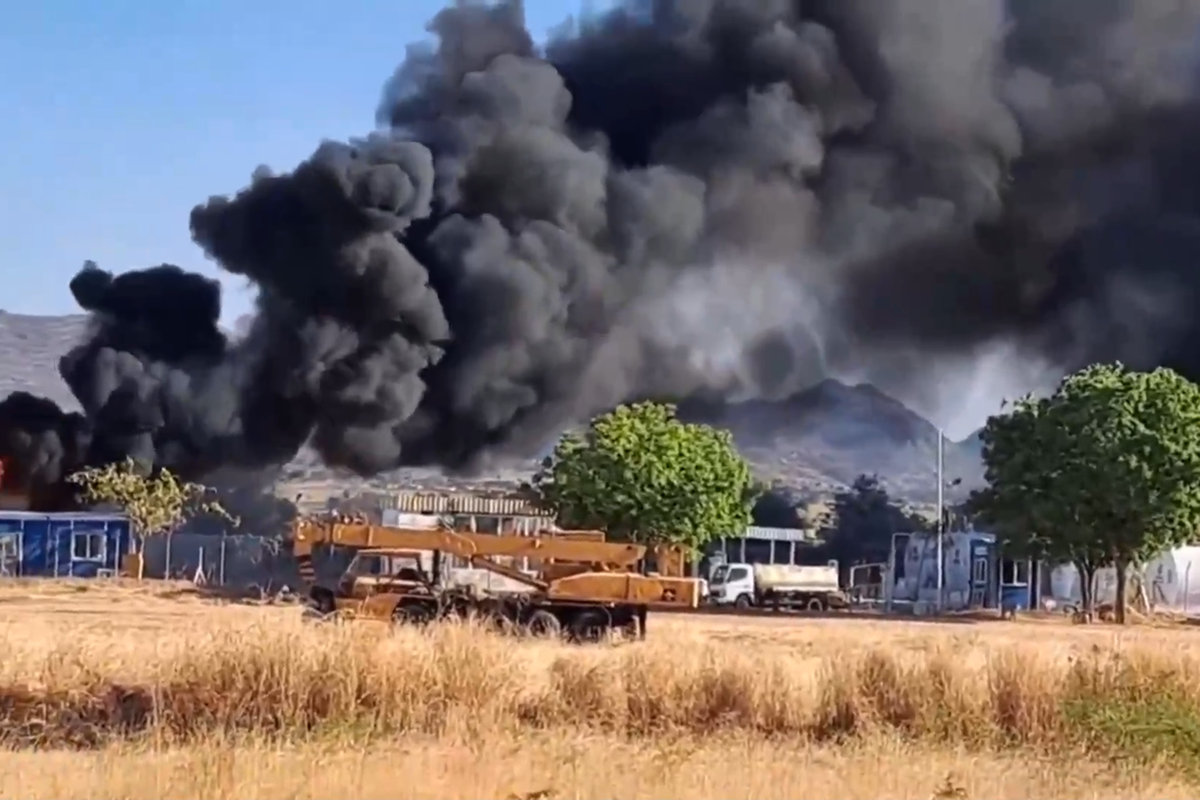
    United Nations Secretary-General Antonio Guterres has issued a forceful condemnation of drone strikes that targeted a UN peacekeeping logistics base in Kadugli, Sudan, on Saturday. The assault resulted in significant casualties among international peacekeeping personnel stationed at the facility.

    The attack claimed the lives of six peacekeepers from Bangladesh and left eight others wounded. All casualties were members of the Bangladeshi contingent serving with the UN Interim Security Force for Abyei (UNISFA). Secretary-General Guterres conveyed his profound condolences to the government and citizens of Bangladesh, extending sympathies to the families of deceased personnel and wishes for rapid recovery to those injured.

    In an official statement, Guterres emphasized that assaults targeting United Nations peacekeeping operations may be classified as war crimes under established international law. He reminded all conflict participants of their fundamental obligation to ensure the protection of UN personnel and civilian populations, explicitly stating that accountability measures would be necessary.

    The UN leader reiterated urgent appeals for warring factions to implement an immediate cessation of hostilities and resume diplomatic negotiations aimed at establishing a sustainable ceasefire. He further emphasized the necessity of developing a comprehensive political process that is both inclusive and Sudanese-owned.

    The Sudanese Armed Forces have attributed responsibility for the drone strike to the paramilitary Rapid Support Forces (RSF), allegations that the RSF leadership has categorically denied. This incident represents a significant escalation in violence targeting international peacekeeping missions within the region.

  • Look: Face to face with a giant, swimming with whale sharks in Indian Ocean

    Look: Face to face with a giant, swimming with whale sharks in Indian Ocean

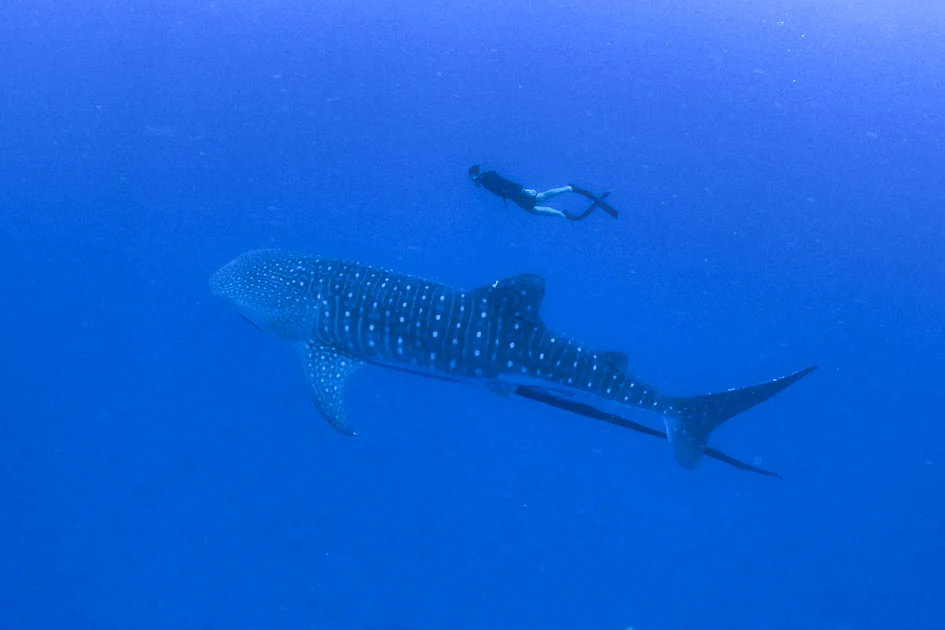
    Off the coast of Tanzania’s Shungimbili Island Marine Reserve, an extraordinary encounter with the ocean’s largest fish species is redefining sustainable tourism. At Jumeirah Thanda Island, visitors during migration season (October-February) can participate in carefully managed swimming excursions with whale sharks – creatures reaching lengths comparable to minibuses yet possessing remarkably gentle dispositions.

    Marine biologist Rianne Laan, resident expert at the private island sanctuary, emphasizes these filter-feeding behemoths pose no threat to humans. “Despite their imposing size, they exclusively consume small fish and plankton,” Laan explains. “The individuals we observe typically measure 8-10 meters, though the species can grow to nearly 20 meters.”

    The operation employs sophisticated tracking methods, with local Tanzanian spotters scanning ocean surfaces for visual cues while researchers monitor shark movements through acoustic and satellite tags. Each whale shark possesses a unique identification pattern – a constellation of white spots functioning as a natural fingerprint.

    Island operations manager Maya de Villiers stresses the importance of respectful interaction protocols. “Their primary defense mechanism involves diving to profound depths when disturbed,” she notes. “Maintaining silence and minimal disruption allows for prolonged observation of these magnificent creatures in their natural habitat.”

    The experience transcends typical tourism, offering participants profound perspective on marine ecosystems. Sheikh Fahim bin Sultan Al Qasimi, present during recent excursions, contextualized the initiative within broader conservation efforts spanning from turtle rehabilitation in Dubai to marine protection in Tanzanian waters. “We are guests in their home,” he reflected. “This awareness should guide every human interaction with marine environments.”

    Beyond the adrenaline of close encounters, the Thanda Island experience demonstrates how luxury tourism can successfully integrate conservation education, fostering humility and respect for oceanic ecosystems while supporting local research and preservation initiatives.

  • Morocco aims to boost legal cannabis farming and tap a global boom

    Morocco aims to boost legal cannabis farming and tap a global boom

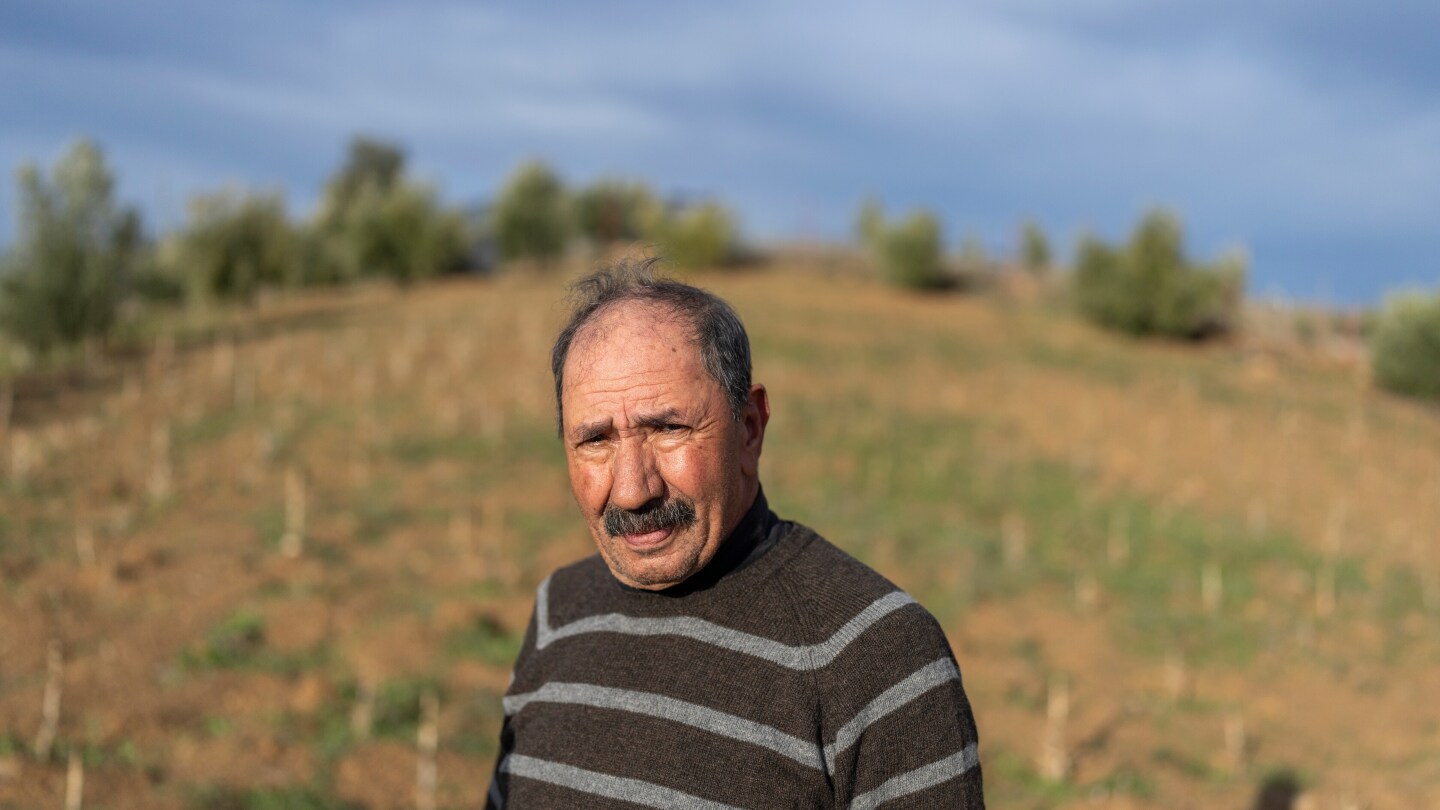
    BAB BERRED, Morocco — For generations, farmers in Morocco’s rugged Rif Mountains have cultivated cannabis under constant threat of prosecution. Now, a groundbreaking legalization initiative is transforming this clandestine agricultural tradition into a regulated industry, offering veteran growers unprecedented legal protection and economic stability.

    Mohamed Makhlouf, a 70-year-old farmer who began cultivating at age 14, exemplifies this dramatic transition. Where once the aroma of his crops signaled danger, today his government-approved plants grow openly under police observation without consequence. “Legalization is freedom,” Makhlouf reflects. “If you want your work to be clean, you work with the companies and within the law.”

    This shift represents Morocco’s ambitious effort to integrate its massive cannabis production—long recognized as the world’s largest supplier of hashish resin—into the formal economy. The 2021 legislation made Morocco the first major illegal cannabis producer and first Muslim-majority nation to legalize certain cultivation forms, specifically for medicinal and industrial applications.

    The regulatory framework established since 2022 governs every production aspect, from seed selection to distribution. The national cannabis agency has licensed over 3,371 growers across the Rif region, recording nearly 4,200 tons of legal production. These farmers now supply cooperatives like Biocannat near Bab Berred, which transforms raw plants into CBD oil, skincare products, chocolates, and industrial hemp textiles—all containing less than 1% THC to comply with medicinal standards.

    Beyond agricultural benefits, legalization has spawned an entire ecosystem of packaging, transportation, and irrigation jobs. “All of it made possible through legalization,” notes Aziz Makhlouf, director of a cooperative with deep family roots in cannabis farming.

    However, challenges persist in this unprecedented transition. The legal market remains insufficient to absorb the hundreds of thousands dependent on illicit trade, with government data showing legal cultivation on 14,300 acres compared to 67,000 acres still used illegally. Recent protests in Taounate highlighted payment delays to farmers working through official channels, revealing tensions in implementation.

    As described by the Global Institute Against Transnational Organized Crime, Morocco currently experiences “coexistence of both markets rather than a decisive transition.” The nation now navigates parallel cannabis economies—one regulated, one outlawed—attempting to bring a centuries-old trade into the light without abandoning those who sustained it through decades of marginalization.

  • Takeaways from AP report on sexual violence in Mali

    Takeaways from AP report on sexual violence in Mali

    DOUANKARA, Mauritania — In a disturbing development within Mali’s protracted conflict, multiple women have provided The Associated Press with harrowing accounts of surviving or witnessing alleged sexual assaults perpetrated by members of the newly established Russian Africa Corps. This military unit, which has replaced the Wagner mercenary group, is currently assisting Malian forces in counter-extremism operations.

    Medical professionals and aid workers on the ground confirm that sexual violence has become a weapon employed by all factions in the conflict, including gang rape and sexual slavery. However, the deeply conservative and patriarchal nature of local societies creates a culture of silence that prevents most victims from reporting these atrocities, thereby hindering accountability efforts.

    The AP gained unprecedented access to refugee settlements along the Mauritanian border, where thousands of Malians have sought sanctuary. Beyond sexual violence, refugees reported indiscriminate killings and beheadings, alleging that Africa Corps has adopted the same brutal tactics previously associated with Wagner mercenaries. Legal experts emphasize that Russian authorities bear direct responsibility for these fighters’ actions, as the unit reports to Moscow’s defense ministry, which declined to respond to inquiries.

    Among the most distressing cases documented was a 14-year-old victim who developed severe infections following sexual assault by individuals her family identified as Russian soldiers. The AP verified four additional cases of sexual violence involving Africa Corps fighters, consistently described by survivors as ‘white men.’

    One survivor recounted defending herself ‘by the grace of Allah’ when armed men invaded her home and attempted to undress her. Another victim exhibited visible scratch marks on her neck and experienced uncontrollable trembling when recounting her ordeal. A third woman described her experience as something that ‘stays between God and me,’ while a fourth witnessed armed men abducting her 18-year-old daughter, whom she has not seen since.

    The complex landscape of sexual violence in Mali extends beyond Russian fighters. A women’s health clinic in the Mopti region reported treating 28 survivors of sexual assault by JNIM militants, an al-Qaeda affiliate that represents the most powerful armed group in the country.

    According to Mirjam Molenaar, a medical team leader with Doctors Without Borders (MSF), ‘People undergo these things and they live with it, and it shows in post-traumatic stress.’ The organization notes that fear of reprisals, limited access to healthcare, and social stigma surrounding sexual assault contribute to significant underreporting.

    This pattern of abuse echoes previous allegations against Wagner mercenaries, including one refugee’s account of witnessing mass rape in her village in March 2024, where even her 70-year-old mother was victimized. A 2023 UN report documented at least 58 cases of rape and sexual assault during an attack on Moura village by Malian troops and ‘armed white men,’ leading Mali’s government to expel the UN peacekeeping mission and creating an information blackout regarding conflict-related sexual violence.

    The humanitarian situation continues to deteriorate, with the refugee camp on the Mauritanian border operating at full capacity with over 150,000 people. Recent fighting has pushed an additional 3,000 refugees across the border in the past month, many settling in fragile shelters made of fabric and branches. MSF has established a free clinic that has already treated three survivors of sexual violence, but aid workers express concern about the countless women who never come forward.

    ‘We know from the stories shared that there is a huge need,’ Molenaar stated, highlighting the urgent requirement for specialized support services in an environment where accountability remains elusive and trauma largely unaddressed.

  • Girls and women fleeing Mali describe sexual violence by Russian forces

    Girls and women fleeing Mali describe sexual violence by Russian forces

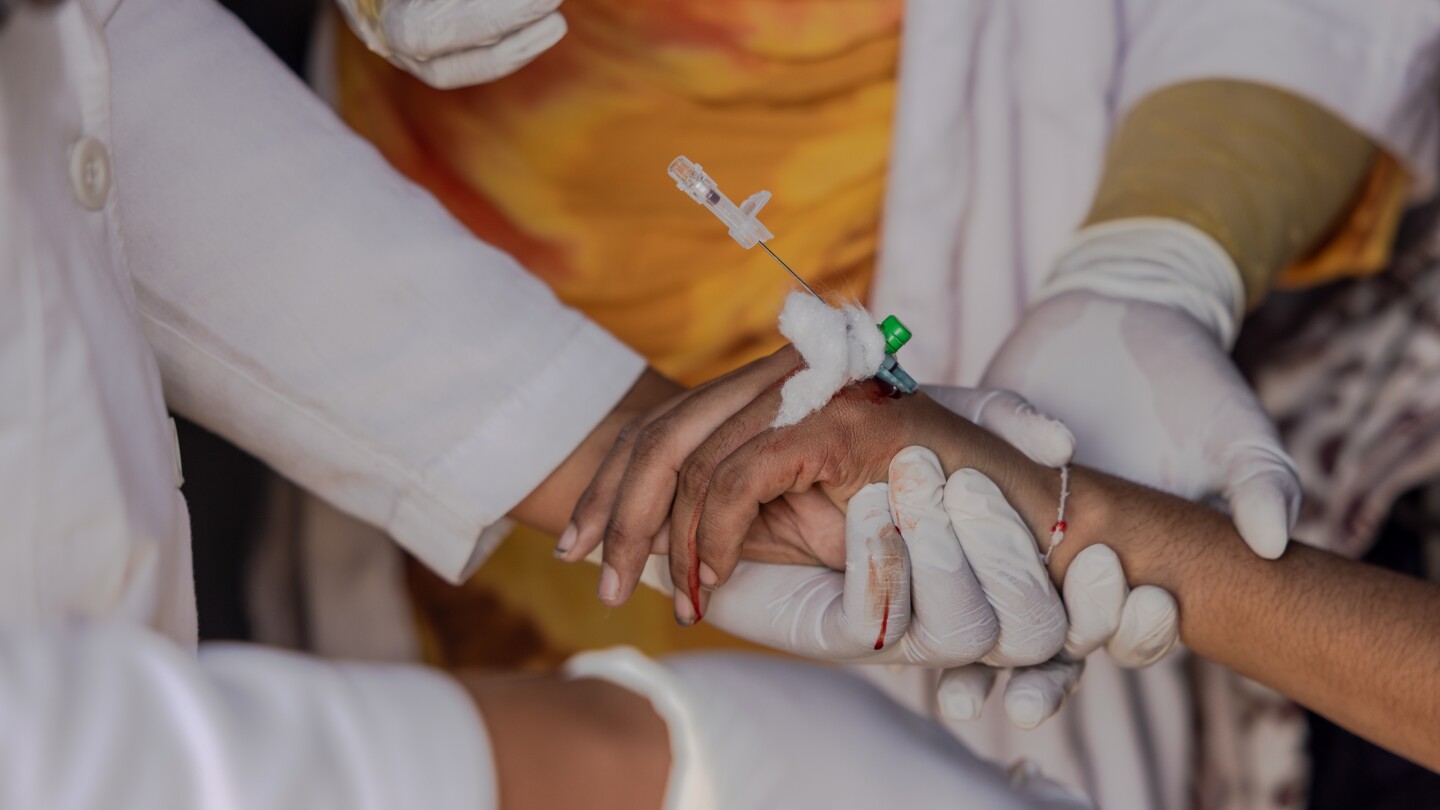
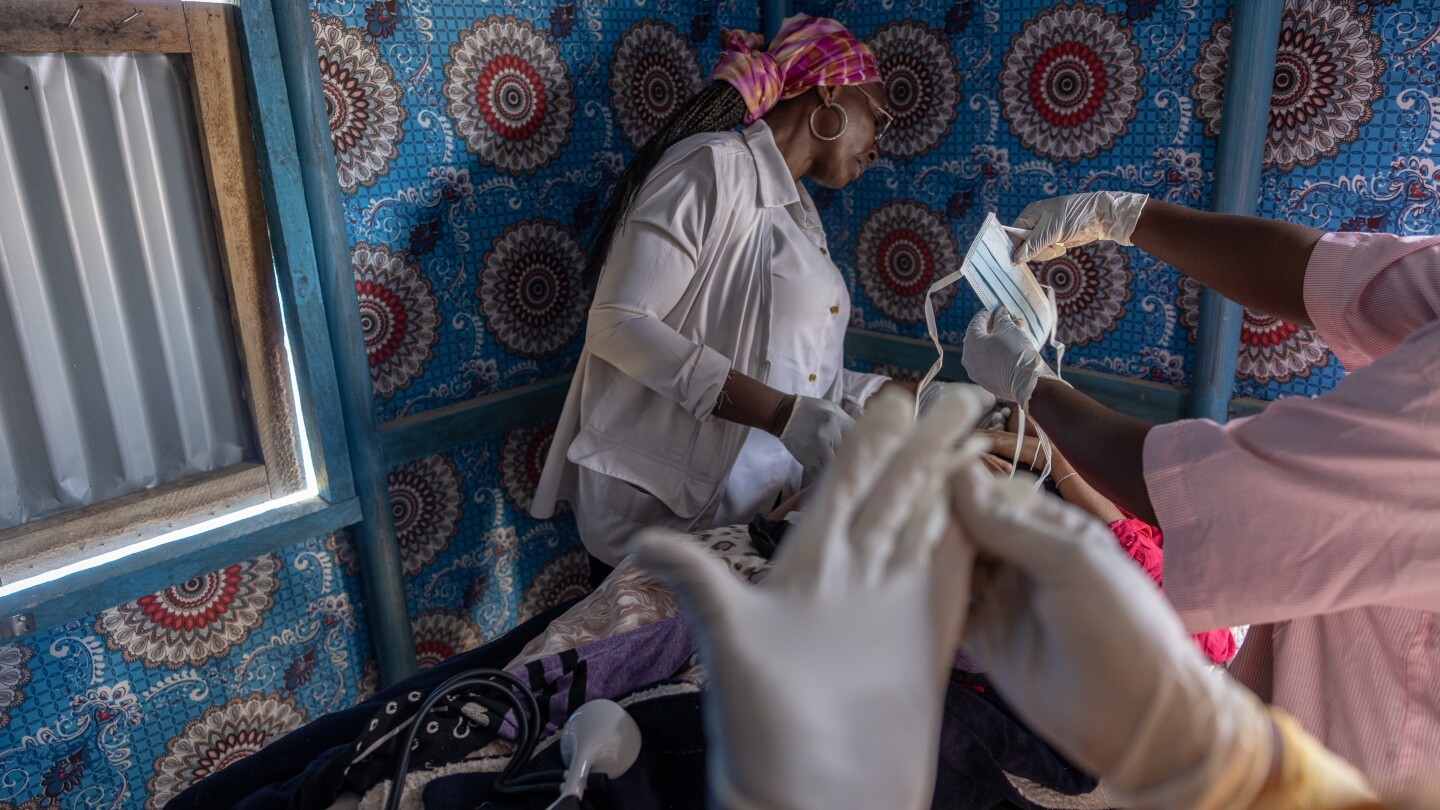
    In a makeshift medical clinic in Douankara, Mauritania, a 14-year-old Malian girl fights for her life after surviving a brutal sexual assault allegedly committed by Russian Africa Corps fighters. Her case represents just one of numerous documented incidents of conflict-related sexual violence emerging from Mali’s decade-long insurgency, where a culture of silence perpetuates both human suffering and impunity.

    The adolescent victim arrived at the Doctors Without Borders (MSF) facility in critical condition after a three-day journey from Mali. Medical staff discovered she had developed a severe infection following the assault, requiring immediate intervention to save her life. According to her family, Russian mercenaries—described as “white men”—stormed their tent in Mali, executed her uncle by decapitation, and then two soldiers dragged the girl away and raped her.

    This case exemplifies a broader pattern of sexual violence occurring within Mali’s complex conflict landscape. The AP investigation has documented at least five separate allegations of sexual assaults attributed to Africa Corps personnel, Russia’s newly established military unit that replaced the Wagner Group six months ago. However, aid workers emphasize that the true scale remains obscured by cultural taboos and fear of retaliation.

    Bethsabee Djoman Elidje, women’s health manager at the clinic, noted the profound challenges in treating sexual violence survivors: “We are convinced that there are many cases like this, but so far, very few patients come forward because it’s still a taboo subject here. They only seek help when complications develop.”

    The problem extends beyond Russian mercenaries. Islamic militants affiliated with al-Qaida’s JNIM group have also been accused of sexual assaults, with one clinic in Mopti reporting 28 cases in six months. Yet the response differs significantly from other conflict zones—MSF’s Mirjam Molenaar observed that while Congolese women sought help “in huge numbers,” Malian survivors typically endure in silence, manifesting symptoms through severe post-traumatic stress.

    Refugees described a climate of terror that prevents reporting. Several women who discreetly shared their experiences with AP journalists displayed visible trauma, with one showing scratch marks on her neck from resisting assault. Others recounted watching family members being abducted or described mass rape incidents dating back to Wagner Group operations in 2024.

    The international response remains inadequate. Russia’s Defense Ministry ignored requests for comment, while a Kremlin-linked information agency dismissed the investigation as “fake news.” Meanwhile, Mali’s government has expelled UN peacekeepers, making independent verification of atrocities nearly impossible.

    As the 14-year-old survivor receives psychiatric care—a rarity in a country with only six practicing psychiatrists—aid workers warn that countless others suffer silently, their stories untold and perpetrators unaccountable in a conflict that shows diminishing regard for human dignity.

  • South Sudanese community fights to save land from relentless flooding worsened by climate change

    South Sudanese community fights to save land from relentless flooding worsened by climate change

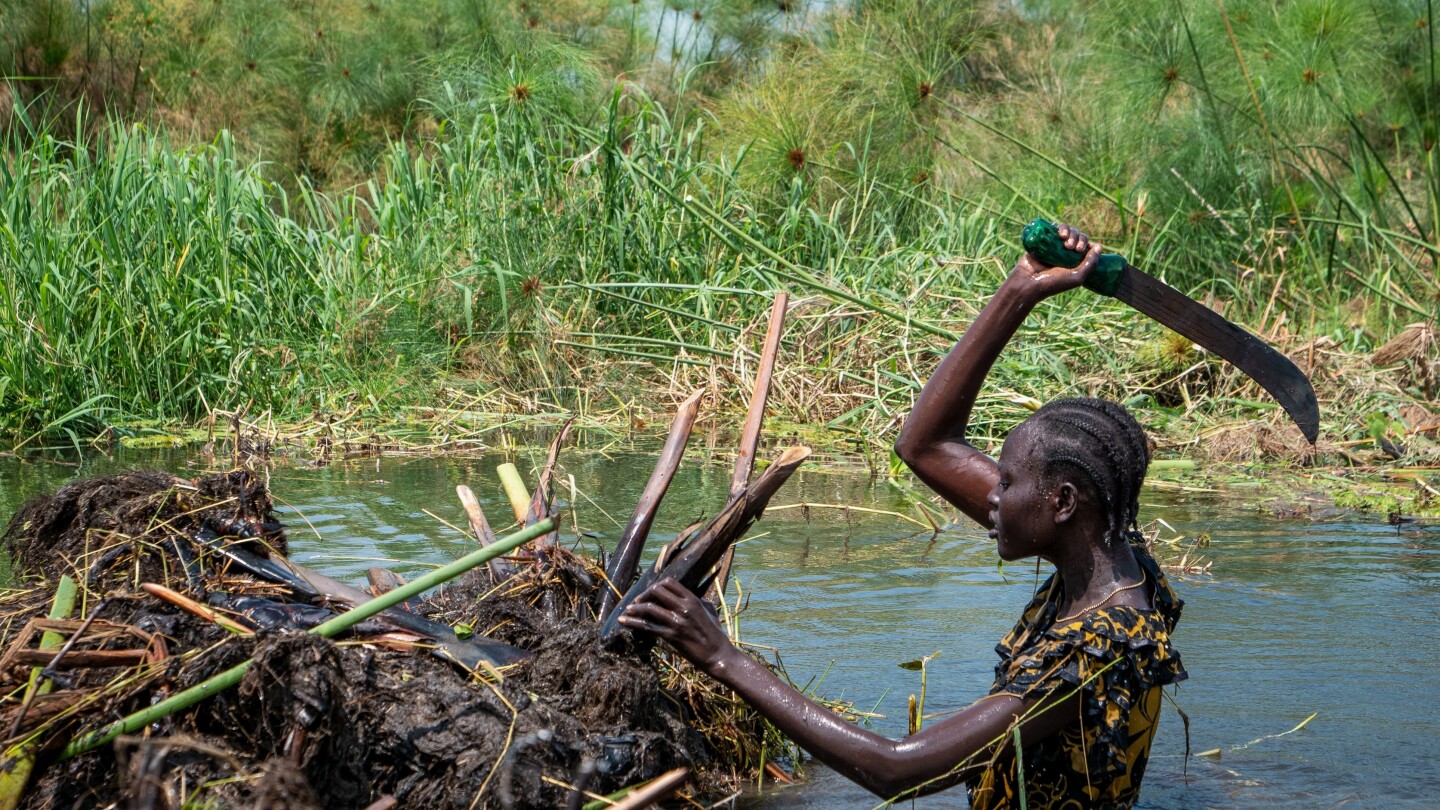
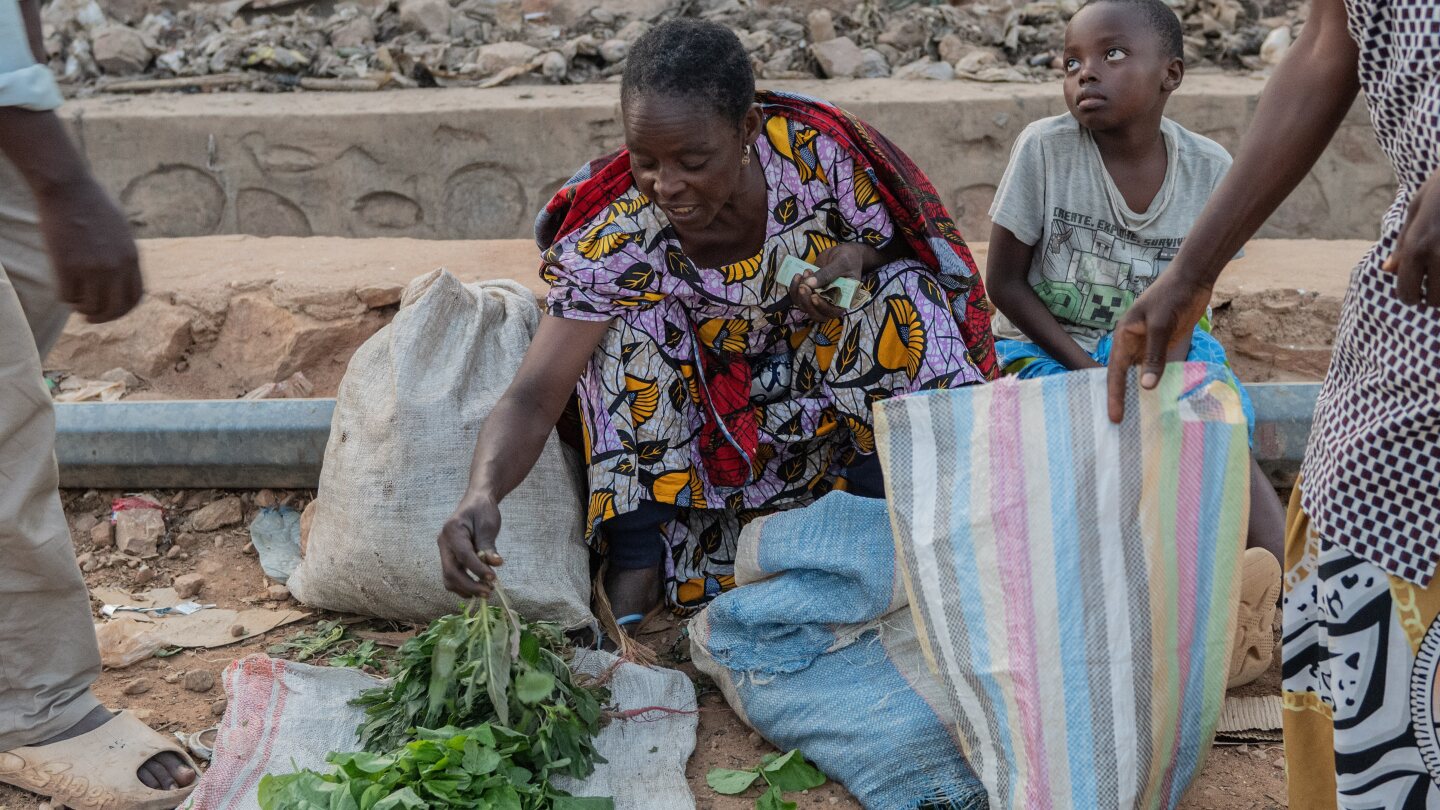
    In the vast swamplands along the Nile River in South Sudan, the Akuak community demonstrates extraordinary resilience against catastrophic flooding through generations-old adaptation techniques. For approximately 2,000 residents of this aquatic region, daily survival involves the meticulous construction and maintenance of human-made islands using papyrus plants, grass, and clay mud—a centuries-old method now challenged by intensifying climate conditions.

    Ayen Deng Duot, a mother of six, exemplifies this relentless struggle as she stands waist-deep in water, wielding a machete to harvest papyrus roots. Each piece contributes to expanding the spongy, layered foundation that keeps her family’s home above water. “We must do this work every day so water does not chase us away,” Duot explains. “We have no choice; we need to protect our homes because we have nowhere else to go.”

    The Akuak people, part of the Dinka ethnic group, have inhabited this watery landscape for countless generations. Their existence revolves around canoes rather than roads, with traditional grass-thatched tukuls dotting the artificial atolls. According to Chief Makech Kuol Kuany, the community abandoned cattle herding in the late 1980s due to rising water levels, transitioning entirely to fishing—a shift that significantly reduced their economic resilience.

    South Sudan currently experiences its sixth consecutive year of catastrophic flooding, with over 375,000 people displaced nationwide according to UN estimates. The Norwegian Foreign Policy Institute confirms in a March 2025 report that seasonal flooding has become increasingly severe and unpredictable, with historical dry periods no longer providing relief. Researchers note that consecutive record-breaking floods have permanently altered the region’s geography.

    The physical labor required to maintain these islands is immense. Fisherman Anyeth Manyang, 45, describes the process: “I learned this work from childhood with my father and mother. It’s very tiresome work because we do it with our bare hands—cutting grass and papyrus, gathering mud. At night, one’s body will be in pain.”

    Beyond housing, the flooding has devastated community infrastructure. The region’s first school, established in 2018, closed within two years due to inundation. Eighteen-year-old Philip Jok Thon gestures toward a rusted, unreadable signpost: “We need our school back because we want to study. We want to learn about the world.”

    Despite the hardships, the Akuak remain committed to their ancestral land. “This is the land of our ancestors,” states fisherman Matuor Mabior Ajith. “We have been living here for thousands of generations, so we have learned how to resist the water. We will never abandon our land.”

    The community’s determination persists even as options diminish. While some consider relocation to urban centers like Bor—25 kilometers and five hours of rowing away—most recognize the challenges of urban transition. Duot expresses concerns about city life for her children: “If our children go there, they may become child laborers or gang members. It’s better for them to stay here, and for us to work hard for them, until we die here.”

    As climate change intensifies, the Akuak’s traditional knowledge represents both an extraordinary adaptation story and a warning about the limits of indigenous resilience in facing unprecedented environmental challenges.

  • He was an Uber driver in the US. Now he’s scared of jihadists after deportation to Somalia

    He was an Uber driver in the US. Now he’s scared of jihadists after deportation to Somalia

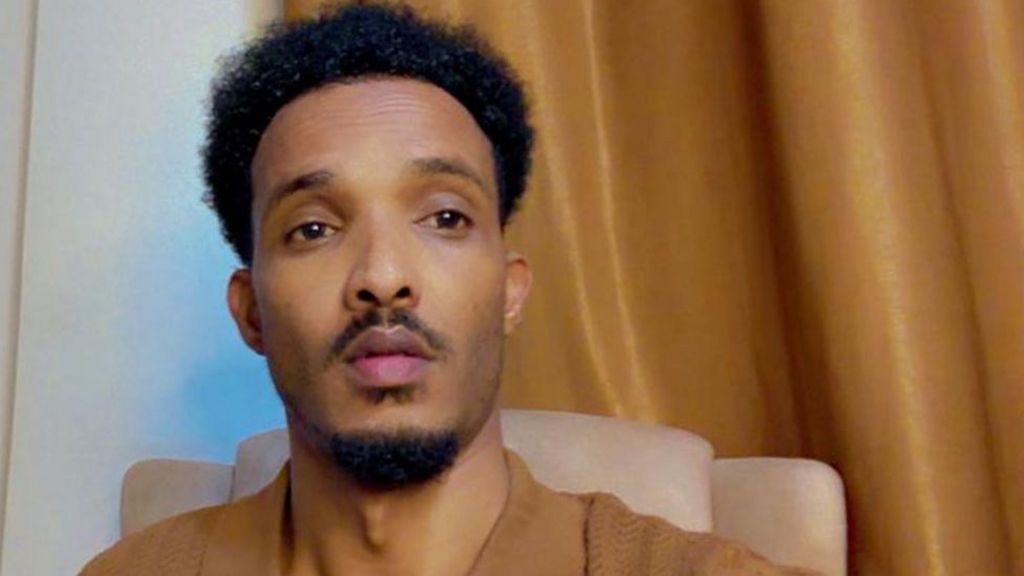
    Mahad Mohamud, a 36-year-old Somali immigrant known online as ‘Garyaqaan’ (The Judge), is navigating a difficult readjustment to life in Mogadishu after being deported from Minneapolis just as winter settled across Minnesota. The TikTok personality with nearly half-million followers finds himself back in Somalia’s heat and chaos after U.S. Immigration and Customs Enforcement (ICE) agents apprehended him earlier this year.

    Mohamud’s case represents complex intersections of social media influence, immigration policy, and personal security concerns. His popular TikTok account, part of Somalia’s lucrative ‘roasting’ subculture where he defended his clan’s interests, brought both fame and danger. While his followers celebrated his content, Islamist militant group al-Shabab issued death threats against him for his pro-government stance—threats that formed part of his asylum claim.

    The deportation process began when rival TikTokers allegedly leaked his address to immigration authorities. ICE detained Mohamud based on two allegations: illegal entry into the United States and involvement in the kidnapping of French officials in Mogadishu. Though the FBI cleared him of the kidnapping charges after questioning, his asylum case was ultimately denied, leading to six months of detention and eventual deportation.

    Mohamud’s journey to America began over a decade ago with stops in South Africa, where he survived xenophobic violence, and Brazil before crossing the Mexican border without documentation. After being arrested at the border, he was released with a work permit pending his asylum case resolution. In Minneapolis, he built a new life working as an Uber driver while growing his TikTok presence, which provided steady income through viewer gifts during live streams.

    His deportation involved multiple transfers between detention facilities before finally being placed in a restraining jacket for the multi-leg flight to Somalia via Costa Rica, Senegal, and Kenya. Though reunited with his three children after a decade apart, Mohamud fears for his safety due to ongoing al-Shabab threats and maintains heightened security precautions.

    His case occurs amid heightened immigration tensions. President Trump recently announced plans to end temporary protection status that prevents deportations while home countries remain unsafe, specifically mentioning Somali immigrants. This policy shift has created anxiety within Minneapolis’s large Somali community (approximately 80,000 residents), where videos show ICE agents conducting door-to-door operations in areas like Little Mogadishu.

    The BBC documented several young Somali men now living in hiding, missing work and meals while fearing detection. One anonymous deportee described returning to Somalia with nothing after spending $20,000 to reach the U.S., now contemplating migration again despite the risks. With no official deportation figures available, these individual stories highlight the human impact of changing immigration policies.

  • Fear grips Congo’s Uvira as M23 rebels take control, displacing 200,000

    Fear grips Congo’s Uvira as M23 rebels take control, displacing 200,000

    UVIRA, Democratic Republic of Congo — A palpable atmosphere of apprehension grips the strategic eastern Congolese city of Uvira following its recent capture by the Rwanda-backed M23 rebel faction, marking a significant escalation in regional hostilities despite a recently mediated Washington peace agreement.

    The Associated Press obtained exclusive access to the city, which represented the final major governmental stronghold in South Kivu province after February’s fall of Bukavu. This strategic victory enables M23 to solidify an extensive corridor of influence throughout eastern Congo.

    Regional authorities confirm the rebel offensive, initiated earlier this month, has resulted in approximately 400 casualties and displaced nearly 200,000 civilians. As of Saturday, Uvira remained paralyzed by tension—commercial banks shuttered, vehicular traffic nonexistent except for military patrols, and residents fearful of venturing outdoors after nightfall amid armed rebel patrols.

    Local resident Maria Esther, a 45-year-old mother of ten, described the stagnant economic conditions: “While some fled, we remained. But normalcy hasn’t returned—we cannot resume our livelihoods without monetary circulation.” Another inhabitant, Joli Bulambo, expressed relief that the casualty count remained lower than initially feared.

    This military advancement occurs despite the Washington Accords brokered by the United States and signed by Congolese and Rwandan leadership. U.S. Secretary of State Marco Rubio publicly condemned Rwanda’s alleged violation of the agreement through continued support of M23 operations, promising consequential actions against deal “spoilers.”

    The conflict’s expansion toward Burundi’s border raises concerns about potential regional spillover, with reports of artillery shells landing in Burundian territory. Eastern Congo’s mineral-rich territories host over 100 armed groups, with M23 experiencing dramatic growth from hundreds to approximately 6,500 combatants since 2021 according to UN estimates.

    Diplomatic tensions intensified as Congolese Foreign Minister Thérèse Kayikwamba Wagner accused Rwanda of undermining the peace process, urging UN sanctions and restrictions on Rwandan mineral exports and peacekeeping contributions. Meanwhile, M23 deputy coordinator Bertrand Bisimwa claimed ceasefire agreements remain “theoretical” without practical implementation.

    Rwandan officials counter-accused Congo of declaring intentions to continue fighting in M23-held territories, justifying rebel retaliation. While Rwanda denies supporting M23, it acknowledges maintaining military presence in eastern Congo for national security purposes, estimated by UN experts at up to 4,000 troops.

  • Street art festival sees Lagos turned into ‘open-air gallery’

    Street art festival sees Lagos turned into ‘open-air gallery’

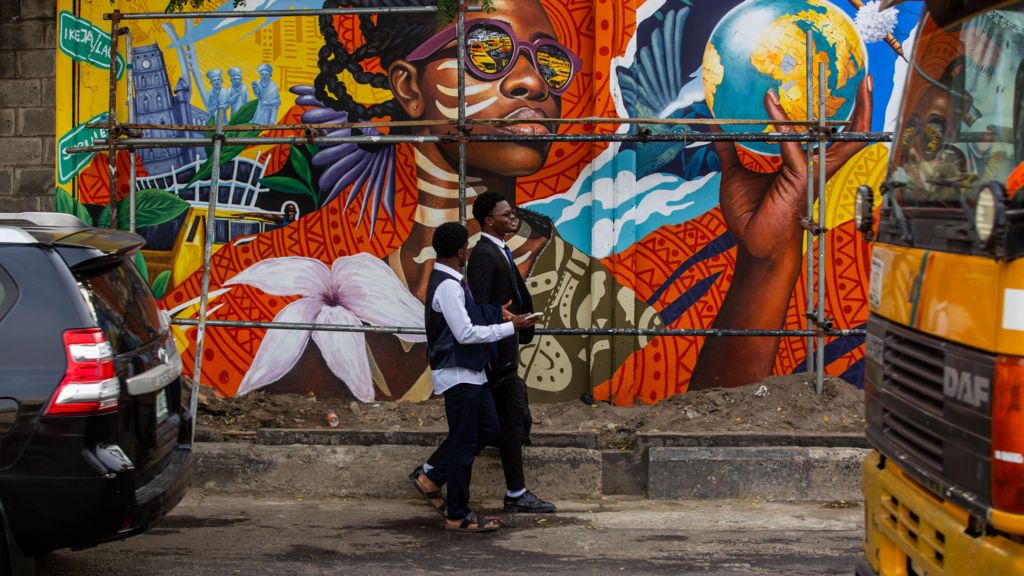
    Lagos, Nigeria’s bustling metropolis, has undergone a remarkable transformation into what organizers describe as an “open-air gallery” during the city’s pioneering street art festival. The event represents a bold initiative to democratize artistic expression beyond traditional gallery spaces.

    Osa Okunkpolor, the renowned Nigerian graffiti artist known as Osa Seven and co-founder of the festival, articulated the vision behind the movement: “We maintain that artistic creativity shouldn’t be restricted to conventional galleries and museums. Public art enables citizens to engage with creativity within their daily environments. This initiative embodies hope and demonstrates art’s transformative potential in reshaping societal narratives.”

    The artistic installations prominently adorn Ozumba Mbadiwe Avenue, a heavily trafficked thoroughfare in Victoria Island at the city’s core. This strategic placement ensures maximum visibility and interaction with Lagos’ diverse population.

    Despite Lagos’ established reputation for vibrant arts, dynamic nightlife, and creative innovation, street art has historically remained underrepresented compared to other African nations. Painter Ernest Ibe acknowledged this disparity while expressing optimism: “The visibility hasn’t been particularly strong relative to other African countries. While challenging, Nigeria is progressively evolving. We’re developing greater appreciation for social murals and their broader societal and environmental impacts.”

    The festival attracted both local and international talent, including Babalola Oluwafemi who traveled from Manchester, UK. Her artwork captures quintessential Lagos culture: “I’m portraying how Lagos residents cherish celebrations, culinary experiences, and vibrant expressions. They embody colorfulness in every aspect.” Her incorporation of the peacock—a traditional Nigerian symbol of beauty and pride—adds cultural depth to the urban landscape.

    Artist Ashaolu Oluwafemi, 34, captured the city’s essence: “Lagos embodies joy amidst struggle. Even during challenging times, maintaining joyfulness and creating happiness remains essential to our spirit.”

    The event, which commenced Wednesday and continues through December 15th, features predominantly Nigerian artists alongside international contributors like Ottograph who journeyed from Amsterdam to create his mural. This cross-cultural exchange enriches Lagos’ artistic landscape while fostering global creative dialogue.