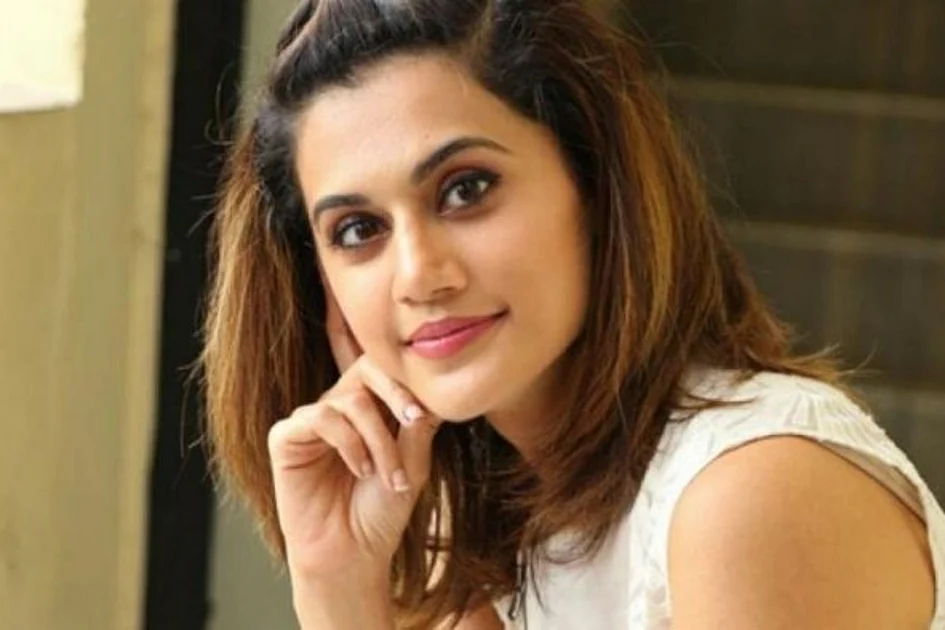
After fifteen years navigating the complex landscape of Indian cinema without industry connections or familial backing, acclaimed actress Taapsee Pannu has developed a philosophical perspective on her unconventional career path. In a recent interview, the performer acknowledged that her journey as an outsider would perpetually present challenges, yet she has transformed this reality into a driving force for artistic authenticity.
Pannu’s central revelation about the industry remains starkly straightforward: “It will never be easy.” Rather than perceiving this as a limitation, the actress reframes it as motivational fuel, stating, “If you want something no one has ever gotten, you have to do something no one has ever done.” This mindset has guided her approach to career longevity and personal accountability, with Pannu emphasizing that her creative choices must withstand the test of time and personal scrutiny.
The actress strongly advocates for artistic individuality in an industry frequently preoccupied with comparisons. “I’m not here to be a clone of somebody because then my entire life will be about being a first copy,” Pannu asserts. “Everyone is blessed with a unique voice and presence, so I should find mine because that’s the best way to leave a lasting impact.”
Her filmography demonstrates this commitment to authenticity, balancing commercial projects with critically acclaimed works that challenge societal norms. Notable performances in films like “Pink,” “The Ghazi Attack,” “Mulk,” “Manmarziyaan,” “Haseen Dillruba,” and “Dunki” showcase her versatile approach to storytelling. Her most recent appearance in Mudassar Aziz’s “Khel Khel Mein” further demonstrates her collaborative range alongside established stars.
Reflecting on her early career decisions, Pannu acknowledges initially conforming to industry expectations during her South Indian film phase before realizing conventional paths weren’t her destiny. Today, her project selection process relies heavily on instinct and feminine perspective. “I cannot leave aside the female point of view I have when I listen to stories,” she explains. “It’s not something I do voluntarily. It’s natural to me.”
This innate feminine gaze fundamentally shapes her creative choices, helping determine which narratives resonate authentically. By selecting projects that align with her intuition, Pannu naturally caters to the feminine perspective within her artistic expression.
While remaining discreet about specific upcoming projects, Pannu hints at continued exploration into uncharted territory. Audiences can anticipate her embracing increasingly complex characters and examining societal facets that capture her profound fascination, maintaining her trajectory toward meaningful artistic legacy.