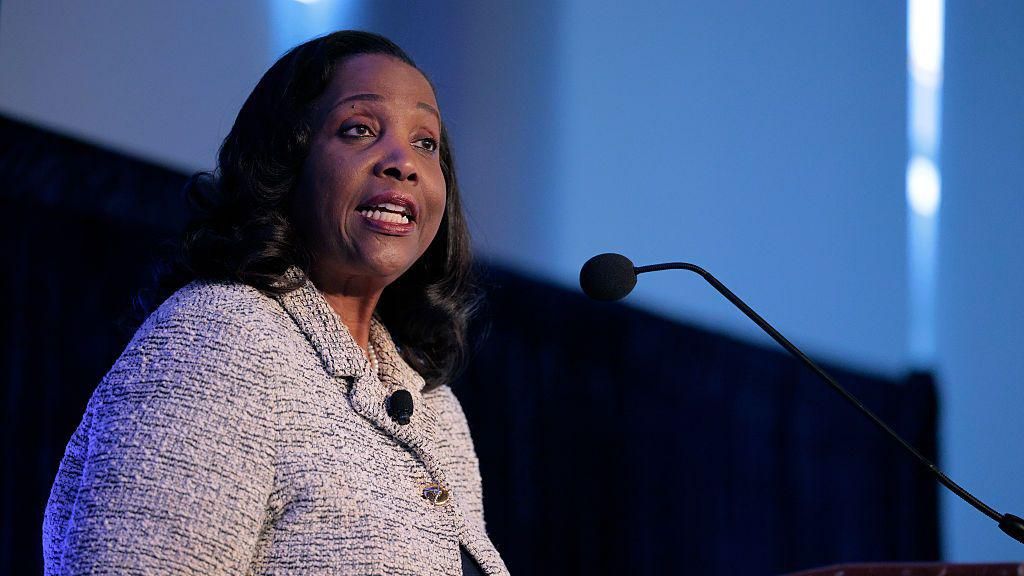
In a landmark hearing with profound implications for central bank autonomy, U.S. Supreme Court justices across ideological lines expressed significant skepticism toward the Trump administration’s unprecedented dismissal of Federal Reserve Governor Lisa Cook. The case, which questions the boundaries of presidential authority over independent agencies, saw unusual alliances form as conservative and liberal justices alike raised concerns about due process and institutional integrity.
The legal confrontation stems from President Trump’s August declaration removing Cook from her position over allegations of mortgage fraud—claims she has consistently denied. During oral arguments, Justice Brett Kavanaugh, a Trump appointee, emerged as a pivotal voice questioning the administration’s stance. “What’s the fear of more process here?” he asked, later warning that the administration’s interpretation could “weaken, if not shatter, the independence of the Federal Reserve.”
Central to the dispute is the statutory requirement that Fed governors may only be removed “for cause,” a provision designed to insulate monetary policy from political pressure. The White House contends Cook’s mortgage filings—which allegedly claimed two different primary residences simultaneously—constitute sufficient cause for dismissal. Solicitor General D. John Sauer argued that even inadvertent errors could undermine confidence in the institution, asserting that courts should defer to presidential judgment on such matters.
Cook’s legal team presented a starkly different narrative, characterizing the allegations as “cherry-picked, incomplete snippets” taken out of context. In a November letter to the Justice Department, her attorneys explained that a single stray reference in an Alabama mortgage application was accompanied by “truthful and more specific disclosures about the property’s use.” They maintained there was “no fraud, no intent to deceive, nothing whatsoever criminal or remotely a basis to allege mortgage fraud.”
Justice Samuel Alito questioned the hurried nature of the proceedings, asking why the matter required such expedited treatment. Justice Amy Coney Barrett, another Trump appointee, pressed the administration to explain what harm would come from allowing lower courts to fully examine the evidence first. The court appeared particularly concerned about the economic ramifications of a ruling that might undermine confidence in the Fed’s independence, with Justice Sonia Sotomayor noting that “the independence of the agency is very important and that independence is harmed if we decide these issues too quickly.”
The case unfolds against a backdrop of ongoing tension between the Trump administration and the Federal Reserve, with the president previously criticizing the institution’s interest rate policies. The outcome could redefine the relationship between the executive branch and independent agencies for generations to come.