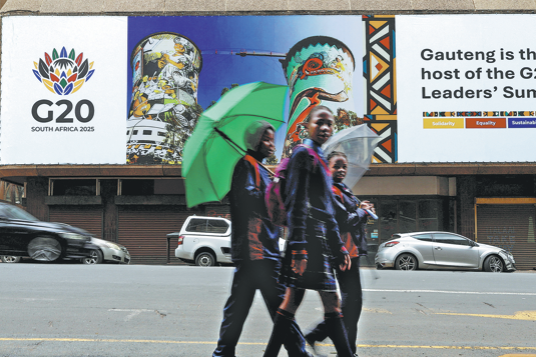
The inaugural G20 summit on African soil, hosted in South Africa, represents a pivotal moment for the continent to harness support from Global South nations in driving transformative reforms. This historic event aims to address systemic inequalities in global governance, foster equitable development, and strengthen genuine international cooperation. Scholars and diplomats have long criticized the marginalization of Africa in global affairs, attributing it to the dominance of a few powerful nations that have consistently sidelined the voices and interests of developing countries. David Monyae, director of the Centre for Africa-China Studies at the University of Johannesburg, emphasized that this structural imbalance has perpetuated inequality and restricted meaningful participation in global governance. Despite these challenges, developing economies are increasingly shaping global outcomes, as noted by Wu Peng, China’s ambassador to South Africa. Wu highlighted China’s zero-tariff treatment for products from 53 African countries as a practical step toward fairer trade systems. He also criticized the U.S.-led tariff wars for undermining the modernization efforts of the Global South. The summit underscores the need for unity and leadership from the Global South to reform global governance. China has reaffirmed its support for South Africa’s G20 presidency, emphasizing mutual respect and shared prosperity. Paul Frimpong, an economic analyst, described the summit as an opportunity to recalibrate global engagement, moving beyond aid dependency to genuine partnerships and investment. He stressed that hosting the G20 in Africa allows the continent to reframe global priorities through its lens of justice, sustainability, and shared prosperity. Frimpong also highlighted China’s expanding engagement with Africa as a model for inclusive global cooperation, citing initiatives like the Belt and Road Initiative and green financing as evidence of mutual benefit rather than charity.