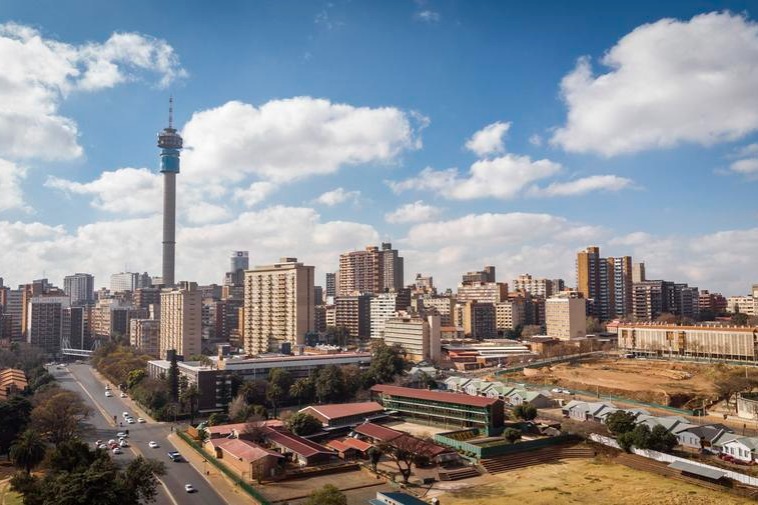
The upcoming G20 summit in Johannesburg, South Africa, marks a pivotal moment for Africa to redefine its role in the global economy. Analysts emphasize that the continent must leverage this platform to advocate for fair trade, industrial transformation, and stable market access. Amid a turbulent global trade system, Africa faces challenges such as rising protectionism and uncertainty over the renewal of the African Growth and Opportunity Act (AGOA), which has historically granted tariff-free access to the US market for sub-Saharan countries since 2000. The US’s recent imposition of reciprocal tariffs on key African exports, including South Africa’s auto, wine, and citrus industries, has further exacerbated concerns. Trade experts warn that these tariffs, ranging from 10 to 50 percent, threaten industries, jobs, and rural incomes across the continent. Despite these challenges, African leaders remain optimistic about constructive engagement with the US to safeguard historical trade ties. South Africa’s Minister of International Relations, Ronald Lamola, has described ongoing trade talks as ‘very positive,’ with hopes for AGOA’s renewal by year-end. The G20 summit also offers Africa a unique opportunity to advocate for stable, rules-based economic agreements and to strengthen regional integration through the African Continental Free Trade Area (AfCFTA). Experts urge African leaders to use this platform to demand fair competition, discourage unilateral tariff actions, and promote long-term trade stability. As Africa hosts its first G20 summit, the continent stands at a crossroads, with the potential to shape the global economic agenda and secure its rightful place at the decision-making table.