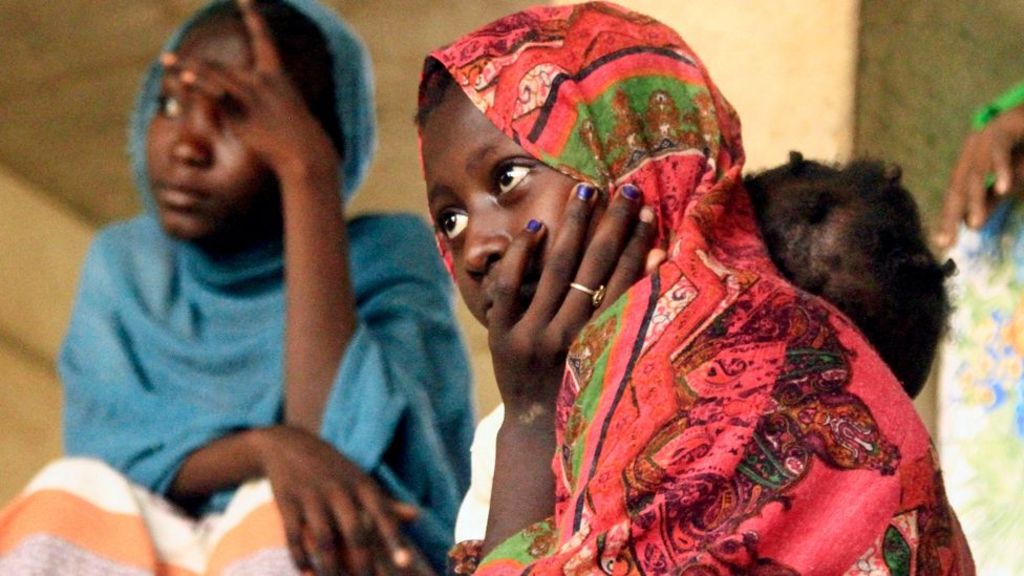
Sudan’s protracted conflict has plunged the nation into a humanitarian catastrophe, with over half of its 45 million population displaced and nearly a million facing famine. The war, now in its 27th month, remains in a strategic deadlock, with neither the Sudanese Armed Forces (SAF) nor the Rapid Support Forces (RSF) able to secure a decisive advantage. The SAF, led by General Abdel Fattah al-Burhan, recently recaptured central Khartoum, showcasing newly acquired weaponry from Egypt, Turkey, Qatar, and Iran. However, their offensive quickly stalled. Meanwhile, the RSF, under General Mohamed Hamdan Dagalo (Hemedti), launched a devastating drone attack on Port Sudan, the interim capital and primary hub for humanitarian aid. The RSF has expanded its operations southward, striking alliances with rebel groups and besieging North Darfur’s capital, el-Fasher. The conflict has exacerbated ethnic tensions, with the RSF accused of genocide against the Massalit people in West Darfur. Civilians, who once united to overthrow former leader Omar al-Bashir, are now fragmented, with some aligning with Burhan, others with Hemedti, and many attempting neutrality. Despite international efforts, including a UN peace plan and a London conference, no credible peace process exists. The UAE and Saudi Arabia’s disagreements further complicate diplomatic resolutions. As the world’s largest humanitarian emergency worsens, multilateral organizations like the UN and African Union are called upon to prioritize Sudan’s crisis and remind global powers of their commitments to human rights and peace.