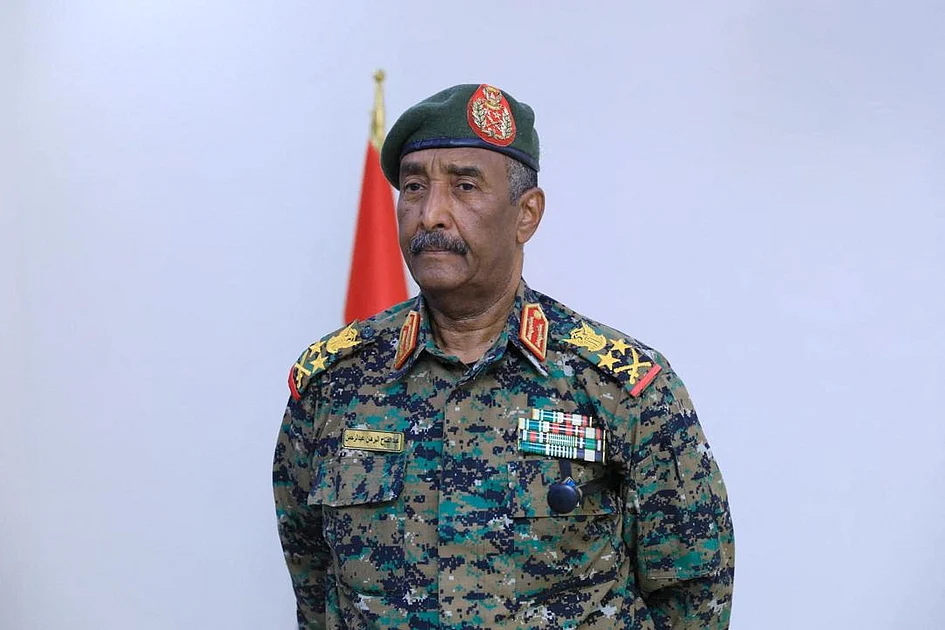
In a significant diplomatic development, Sudan’s de facto leader General Abdel Fattah al-Burhan has expressed willingness to collaborate with U.S. President Donald Trump to resolve the ongoing conflict devastating his nation. The Sudanese foreign ministry confirmed this position on Tuesday following General al-Burhan’s diplomatic visit to Riyadh as an official guest of Saudi Crown Prince Mohammed bin Salman.
The Saudi leadership recently presented President Trump with a comprehensive peace proposal for Sudan during Prince Mohammed’s official visit to Washington. According to the Sudanese statement, General al-Burhan commended President Trump’s demonstrated commitment to peace initiatives and acknowledged Saudi Arabia’s participatory role in these efforts.
“He affirmed Sudan’s keenness to work with President Trump, his secretary of state, and his envoy for peace in Sudan to achieve this unquestionably noble goal,” the ministry stated, specifically referencing Secretary of State Marco Rubio and U.S. peace envoy Massad Boulos.
This diplomatic overture occurs despite previous stalled negotiations led by a coalition of international mediators including the United States, Egypt, Saudi Arabia, and the United Arab Emirates. The peace process reached an impasse when General al-Burhan rejected envoy Boulos’s most recent framework proposal.
Meanwhile, the Rapid Support Forces (RSF) paramilitary group maintains its official support for international ceasefire arrangements despite continued intense combat operations, particularly in Sudan’s southern Kordofan region. No new dates have been established for either U.S.-mediated discussions or parallel United Nations-led peace efforts.
The devastating conflict, ongoing since April 2023, pits the nationally-recognized army controlling northern and eastern territories against the RSF forces dominating western regions and substantial southern areas. The humanitarian catastrophe has resulted in tens of thousands of fatalities and displaced millions, creating what United Nations agencies classify as the world’s most severe humanitarian emergency.