Starbucks CEO Brian Niccol is spearheading a technological revolution while simultaneously championing a return to human-centered service, as the coffee giant works to reverse years of sluggish performance. The company is deploying artificial intelligence across its operations—from AI-powered drive-thru voice systems and virtual barista assistants to automated inventory scanners—in a multimillion-dollar technological overhaul.
These innovations are already showing promising results. The company recently reported its first comparable sales increase in two years within the U.S., its most critical market representing approximately 70% of total revenue. However, investor concerns about profit margins caused a 5% stock price decline despite the sales improvement.
Niccol, who joined Starbucks in 2024 after successfully turning around Chipotle Mexican Grill, inherited a business facing multiple challenges. The company was grappling with customer resistance to price hikes, intensifying competition, and boycott calls related to union disputes and geopolitical stances.
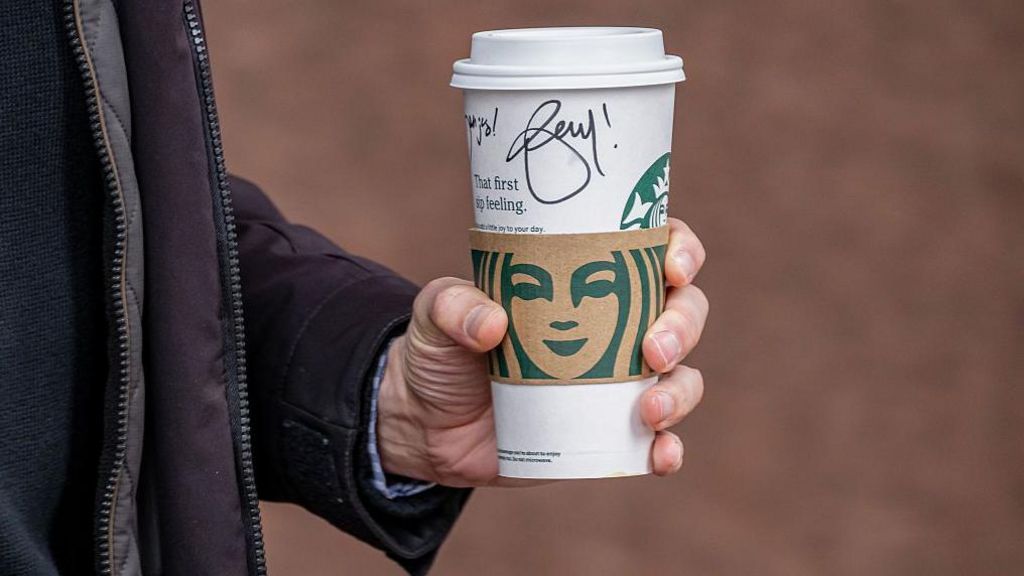
The CEO implemented a multi-faceted strategy that included halting price increases, simplifying menus, setting faster service targets, closing underperforming locations, and reducing corporate staff. Paradoxically, while investing heavily in technology, Niccol also initiated a back-to-basics approach emphasizing human connection—including handwritten customer names on cups and store renovations costing $150,000 per location.
‘We lost our focus because we got a little too distracted on efficiency and technology, and lost our focus on experience, customer and connection,’ Niccol acknowledged. ‘The business is not an average business. The business is a coffee shop-by-coffee shop business.’
The company now aims to find $2 billion in cost savings over three years while continuing technological investments. Niccol expressed confidence that consistent sales growth will address profit concerns, though he didn’t rule out future ‘muted’ price increases as a last resort.
Starbucks faces ongoing challenges from union organizers who criticize Niccol’s compensation package—$97 million in 2024 compared to the average employee’s $17,300—and his remote working arrangements. The CEO stated he remains ‘wildly open’ to conversations but provided no timeline for contract resolutions.
Looking forward, Starbucks plans ambitious global expansion, nearly doubling its international footprint to 40,000 stores. Niccol believes the company’s ultimate competitive advantage lies not in its coffee but in creating welcoming ‘third places’ for community gathering.