A diplomatic dispute between two European Union and NATO allies, Spain and Italy, has escalated sharply over irregular migration, with Madrid set to implement temporary reciprocal border controls on travelers from Italy starting midnight Saturday.
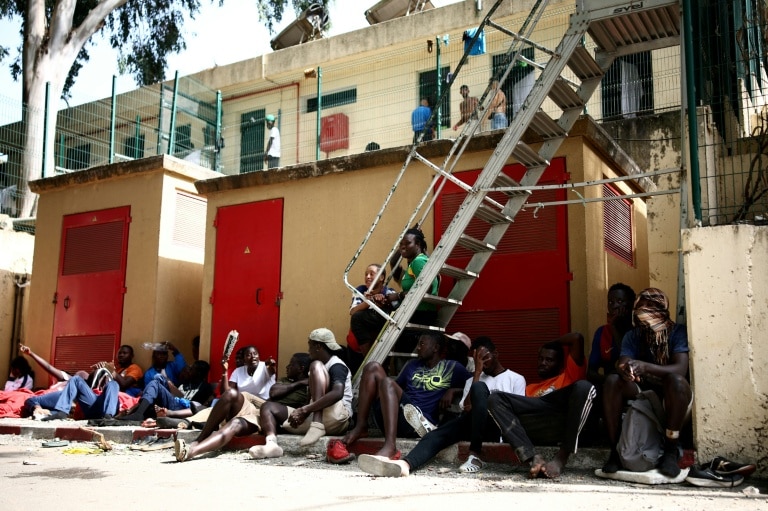
The escalating confrontation traces back to an unprecedented mass border crossing that unfolded on July 30 and 31, when tens of thousands of migrants crossed into Spain’s North African enclave of Ceuta from Morocco. Official Spanish data confirms 72,000 people entered Ceuta during the incident, with roughly 70,000 later returning to Morocco. The crossing resulted in significant fatalities: Spanish authorities record 80 deaths, but Moroccan human rights groups put the toll at a minimum of 141, with the number expected to climb, while Morocco’s interior ministry confirms 11 deaths on its side of the border, almost all from drowning. Hundreds of unaccompanied minor migrants who remain in Ceuta are currently trapped in severe living conditions, with limited access to basic necessities including food, clean water and adequate shelter.
Following the Ceuta incident, far-right Italian Prime Minister Giorgia Meloni’s administration took swift action, imposing a one-month suspension of Italy’s visa-free Schengen Area participation with Spain. Italy, which has faced consistent pressure from tens of thousands of irregular migrants arriving on its shores via small Mediterranean boats each year, framed the move as an extraordinary national security safeguard. Meloni was also among a group of hardline EU leaders that called for Spain’s suspension from the full Schengen zone — a step that legal experts note is not permitted under EU rules.
On Friday, Spain rejected Italy’s measure in blunt terms, calling it “unfair, contrary to the EU’s interests and discriminatory for the Spanish population.” Spanish Foreign Minister Jose Manuel Albares called the decision “a torpedo fired at the hull of European unity,” and gave Rome until Sunday to reverse the checks, threatening proportional countermeasures if it refused. Italy rebuffed the ultimatum within hours, confirming it would not revisit its decision before August 15, citing unconfirmed expectations of a second mass migration wave to Ceuta mid-month. “Italy does not accept ultimatums or impositions from abroad regarding national security and border control,” Meloni’s office said in an official statement, adding that it will only reconsider the policy once it has confirmation that no new irregular migration flows or security risks are heading toward Europe.
Shortly after Italy’s refusal, Spain’s interior ministry followed through on its threat, announcing the new temporary border checks, which will remain in place through September 7. Madrid says the controls are a direct response to the persistent irregular migration pressure Italy has cited to justify its own measures. Italy, which shares no land border with Spain, implemented its original checks at air and maritime entry points for third-country nationals arriving from the Iberian Peninsula, while noting that Spanish and other EU citizens would not face disruptions to movement. Local Spanish media reports that Spanish police have monitored social media rumors of an August mid-month new arrival to Ceuta, though national authorities have not officially confirmed expectations of a repeat of the late-July incident.
Spain has pushed back against Italy’s move, suggesting it is driven by internal domestic political priorities rather than a genuine policy need, warning that the dispute risks “creating rifts and sterile conflicts” across the bloc. Madrid says it remains optimistic that shared pro-European values and good faith will resolve the standoff, but the unprecedented dispute between two allied EU member states has exposed deepening divisions over how the bloc should manage irregular migration across the Mediterranean.