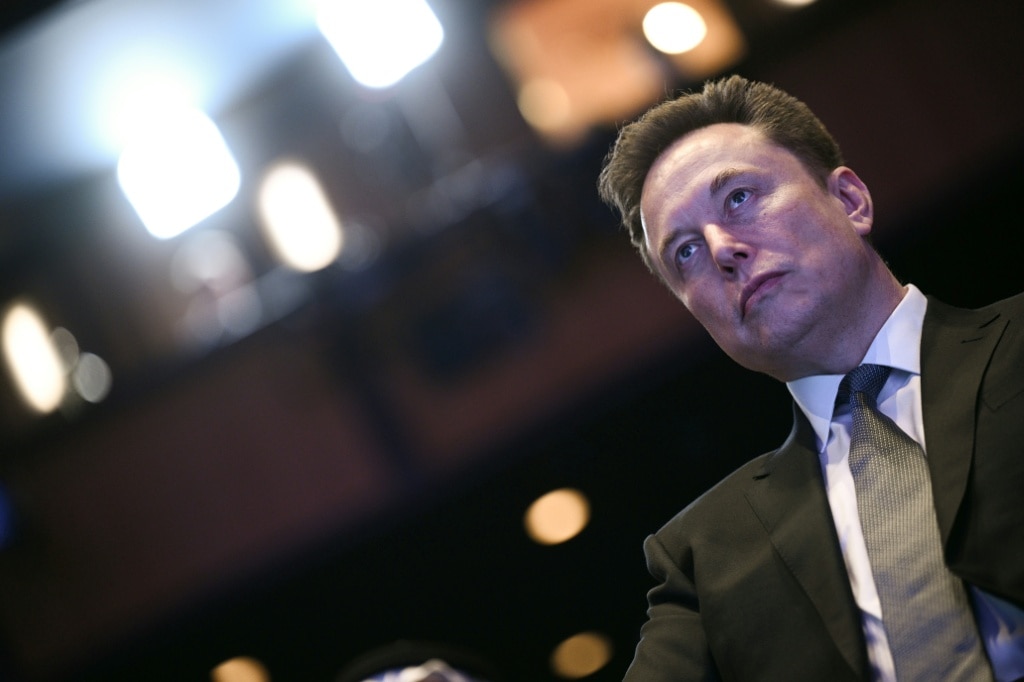
As Elon Musk’s aerospace and technology firm SpaceX moves toward one of the most highly anticipated initial public offerings (IPOs) in modern history, it is asking investors to place a massive bet on the billionaire’s long-term vision: interplanetary human settlement on Mars and a new generation of artificial intelligence data centers orbiting Earth. But for all the excitement surrounding the offering, the deal comes with a series of unusual caveats, steep ongoing losses, and structural safeguards that cement Musk’s permanent control over the company, even as it opens its doors to billions in new public capital.
For decades, Musk’s track record of turning once-skepticized projects like Tesla into global industry giants has earned him a reputation as a visionary who can anticipate the next technological shift and build sustainable, world-leading businesses around it. It is this reputation that underpins SpaceX’s sky-high pre-IPO valuation of nearly $1.8 trillion, a figure that hinges entirely on investor expectations that Musk will pull off his most ambitious goals yet. Yet current financial results tell a far more uncertain story: while the company is growing rapidly, it is burning through cash at an unprecedented rate. In 2025, SpaceX posted $18.7 billion in annual revenue, a 33% jump from the prior year, but rising operating costs pushed its net loss to $4.9 billion. That downhill trajectory accelerated in the first quarter of 2026, where the company recorded another $4.3 billion in losses, on track for a full-year deficit that could exceed $15 billion.
Despite these ongoing losses, SpaceX’s IPO projection forecasts that annual revenue could eventually surge past $28.5 trillion. The company frames its future profit streams as rooted first in Starlink, its growing satellite internet constellation, and ultimately in space-based AI data centers, a new market that Musk argues will outcompete terrestrial infrastructure for low-latency AI workloads. That said, Musk’s standalone AI subsidiary xAI has so far failed to keep pace with leading industry rivals: current annual AI revenue for the firm sits at roughly $500 million, a tiny fraction of the top-line revenue posted by OpenAI and Anthropic.
One of the most defining structural features of the post-IPO SpaceX is that Musk will retain absolute control over all major company decisions, even after thousands of new investors buy into the stock. The company uses a dual-class share structure, a system adopted by other major tech giants including Google, Meta, and Snap to preserve founder control after going public. Ordinary retail and institutional investors will purchase Class A shares, which grant one vote per share. Musk, by contrast, holds Class B shares that carry 10 votes per share, putting roughly 82% of the company’s total voting power firmly in his hands, enough to override any collective decision from other shareholders.
Having weathered years of shareholder lawsuits against his other publicly traded firm Tesla, Musk has also built an unprecedented legal fortress around SpaceX to limit investor legal recourse. All shareholder disputes against the company must be filed in a specialized Texas business court under the terms of the IPO filing. If a judge declines to hear the case, disputes are pushed into private arbitration, which eliminates the right to a jury trial and blocks class-action lawsuits – the primary legal tool that shareholders use to hold large corporations accountable for misconduct. The filing explicitly acknowledges that courts could eventually strike down these provisions if they are challenged, but they will remain in effect unless a ruling overturns them.
In a break from traditional IPO structures that reserve the vast majority of offering shares for large Wall Street institutional investors, SpaceX has set aside 30% of its IPO shares for everyday retail investors, opening up access to the offering directly to Musk’s large global fanbase. This unusual allocation shifts the composition of early ownership away from hedge funds and mutual funds, some of which have already expressed skepticism about the company’s lofty valuation and ongoing losses. However, the broader access to retail investors also carries a notable downside: it could increase early stock volatility, as large numbers of enthusiastic retail buyers rushing to acquire shares could spark a sharp initial price spike.
Beyond the enthusiasm of retail investors, a quirk of index fund rules guarantees a massive wave of automatic buying for SpaceX stock once it goes public. More than 60% of all U.S. stocks are held by passive index funds that track major benchmarks such as the Nasdaq 100. In a change that benefited SpaceX directly, Nasdaq revised its rules in May to cut the waiting period for new listed companies to join the index from three months to just 15 trading days. That means the trillions of dollars held in Nasdaq 100 index funds – which count millions of U.S. retirement plans among their investors – will be required to purchase SpaceX shares almost immediately after its IPO to keep their funds aligned with the index. Compounding this forced buying pressure is the fact that only 4% of SpaceX’s total $1.8 trillion valuation will be made available for public purchase, an extremely thin float that leaves far more buyer demand than available shares. The combination of forced index buying, retail enthusiasm, and limited supply could push SpaceX’s share price to sharply elevated levels in the first days of trading, even as the company continues to post billions in annual losses.