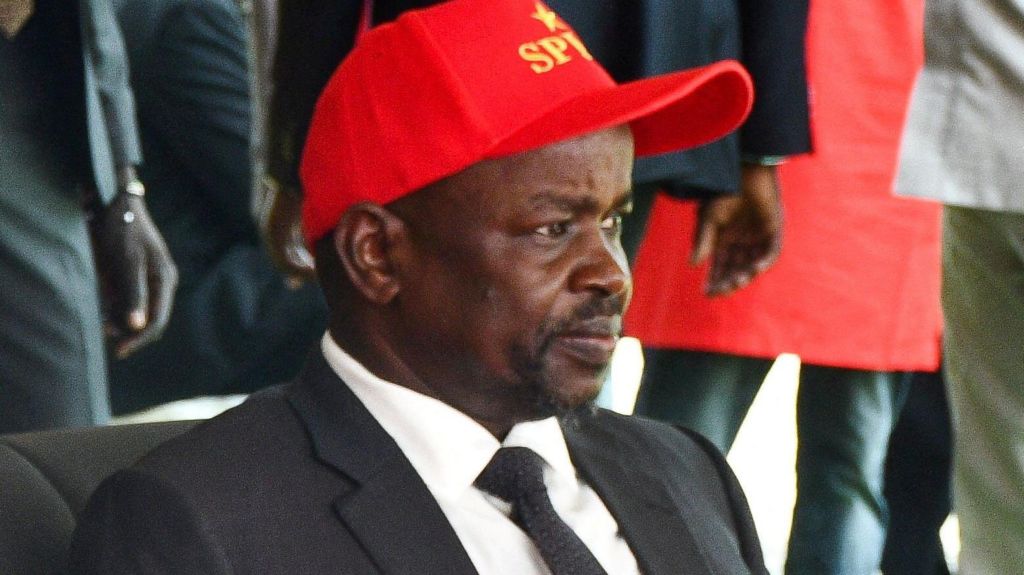
South Sudan’s President Salva Kiir has taken decisive action by dismissing Vice-President Benjamin Bol Mel, a move that has sent ripples through the nation’s political landscape. Bol Mel, who was seen as a potential successor to Kiir, was stripped of his military rank of general and removed from his position in the national security service. Additionally, Kiir sacked the central bank governor and the head of the revenue authority, both of whom were considered close allies of Bol Mel. The dismissals were announced in a decree broadcast on state television, with no official explanation provided. This development comes at a time of heightened fears of political instability and the potential resurgence of civil war, following the collapse of a fragile power-sharing agreement between Kiir and opposition leader Riek Machar. Bol Mel, 47, was appointed vice-president in February, replacing veteran politician and general James Wani Igga. He was also elevated to the position of first deputy chairman of the ruling SPLM party, a move that analysts believe positioned him as a potential successor to the 74-year-old Kiir. Despite being under US sanctions since 2017 for alleged corruption, Bol Mel’s rise within the government continued, with Kiir promoting him to the full rank of general in the National Security Service (NSS). Bol Mel has never directly responded to the corruption allegations and has remained silent on his dismissal. The president has yet to announce replacements for the positions held by Bol Mel. His dismissal has fueled speculation on social media about an internal power struggle within the SPLM. A government source, who wished to remain anonymous for safety reasons, described Bol Mel as a ‘divisive figure’ in government, stating, ‘It’s good that he has gone.’ South Sudan, an oil-rich nation that gained independence in 2011, has been plagued by civil war and political instability. The 2018 power-sharing agreement that ended the conflict has been fraught with challenges, with tensions persisting and sporadic violence continuing to erupt. Planned elections have been postponed twice in the past three years, and recent escalations in fighting between forces loyal to Kiir and armed groups have further exacerbated the situation. Earlier this year, Machar was dismissed as vice-president and arrested, facing charges of murder, treason, and crimes against humanity. His spokesperson has dismissed the charges as a ‘political witch-hunt.’ The charges followed an attack by a militia allegedly linked to Machar, which the government claims resulted in the deaths of 250 soldiers and a general. The case against Machar is ongoing, adding to the growing concerns of renewed civil unrest in the region.