South Africa’s agricultural sector faces an unprecedented crisis as foot-and-mouth disease has been declared a national disaster, with the viral outbreak now affecting eight of the country’s nine provinces. The highly contagious pathogen has triggered widespread devastation across animal herds, forcing mass culling operations and crippling the nation’s vital livestock exports.
In the pastoral landscapes of KwaZulu-Natal province—the epicenter of the outbreak and heartland of South Africa’s dairy industry—heightened biosecurity measures have proven insufficient against the relentless spread. The virus, transmitted through direct animal contact or contaminated materials, causes debilitating blisters in mouths and under hooves, leading to lameness, feeding difficulties, and catastrophic milk production declines.
Carol Houston, a commercial dairy farmer with 35 years of experience, witnessed her daily milk output plummet from 14,000 to 9,000 liters within days of infection. “We invested approximately $380 per cow in treatments and preventive measures,” Houston revealed, “yet the virus breached our defenses regardless.”
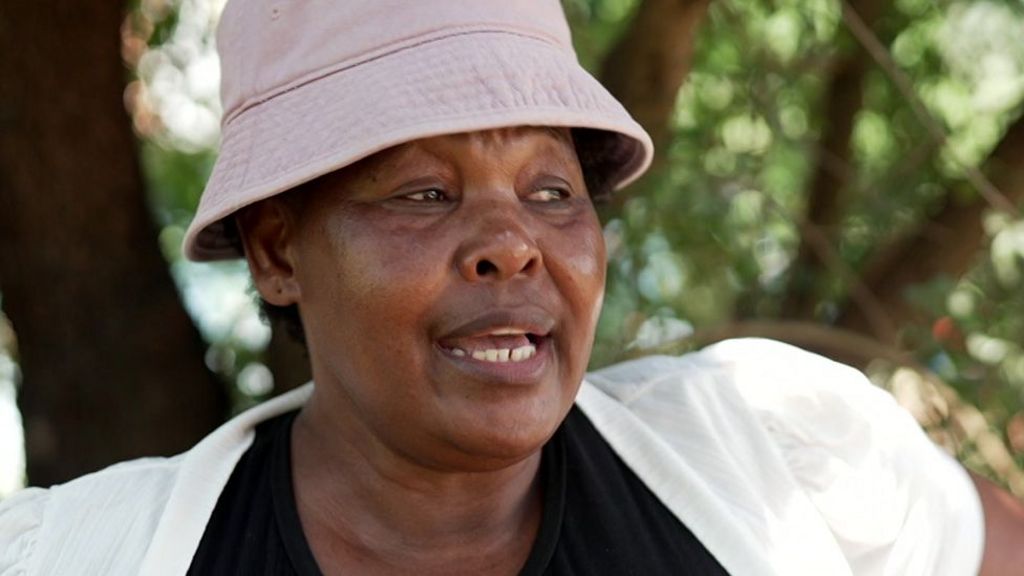
The economic repercussions extend beyond large commercial operations. Small-scale farmers like Nompumelelo Ndlovu, who maintains approximately 20 cattle for trading, face existential threats to their livelihoods. “If vaccines don’t arrive promptly,” Ndlovu expressed, “my entire herd could be compromised, ending my business.”
Agricultural Minister John Steenhuisen has announced a comprehensive 10-year eradication strategy, prioritizing mass vaccination in severely affected regions before expanding to cover South Africa’s estimated 14-million-strong national herd. However, implementation delays have fueled frustration among farming communities. Vaccine shipments, initially promised for January then February, have repeatedly been postponed.
President Cyril Ramaphosa’s disaster declaration enables accelerated funding allocation and international vaccine procurement. South Africa, having lost domestic vaccine production capabilities over two decades ago, currently relies on imports—with an initial shipment of one million doses expected from Argentina. Nevertheless, this quantity remains insufficient for nationwide coverage.
Industry experts like Livestock Wealth’s Ntuthuko Shezi emphasize the urgency: “If we successfully managed COVID-19 vaccinations, we should demonstrate similar efficacy against this outbreak.” The agricultural sector, while representing a modest portion of GDP, serves as a critical employer in rural regions and traditionally generates essential foreign exchange through meat and livestock exports.