HEIDELBERG, South Africa — South African authorities initiated a massive emergency vaccination campaign for cattle on Friday in response to a devastating foot-and-mouth disease outbreak that has rapidly spread throughout the nation’s livestock sector, threatening food security and export economies.
The escalating biological crisis, which began intensifying in late 2022, has already infected over 297,000 cattle and necessitated the culling of more than 120,000 animals as containment measures. The outbreak has triggered international trade restrictions from key importers including China and Zambia, potentially causing massive meat shortages, widespread job losses, and millions in lost agricultural revenue.
Agriculture Minister John Steenhuisen formally launched the national vaccination drive using an initial shipment of one million vaccines recently acquired from Turkey. Additional doses are anticipated to arrive this weekend, though concerns persist that current supplies remain substantially inadequate for the estimated 12 million cattle requiring immunization.
“Our definitive strategy involves mass vaccination to proactively manage foot-and-mouth disease nationwide,” Steenhuisen stated. “This approach enables outbreak prevention rather than reactive containment measures.”
The coastal province of KwaZulu-Natal has emerged as the epidemic’s epicenter with over 17,000 affected farms. The government has officially declared the situation a national disaster, activating legal provisions for emergency funding allocation primarily directed toward vaccine procurement.
The national treasury has committed approximately $25 million to combat the outbreak, with the majority designated for vaccination purposes. Agricultural producers face mounting challenges as they quarantine infected livestock, suspend trading operations, and manage critical vaccine shortages.
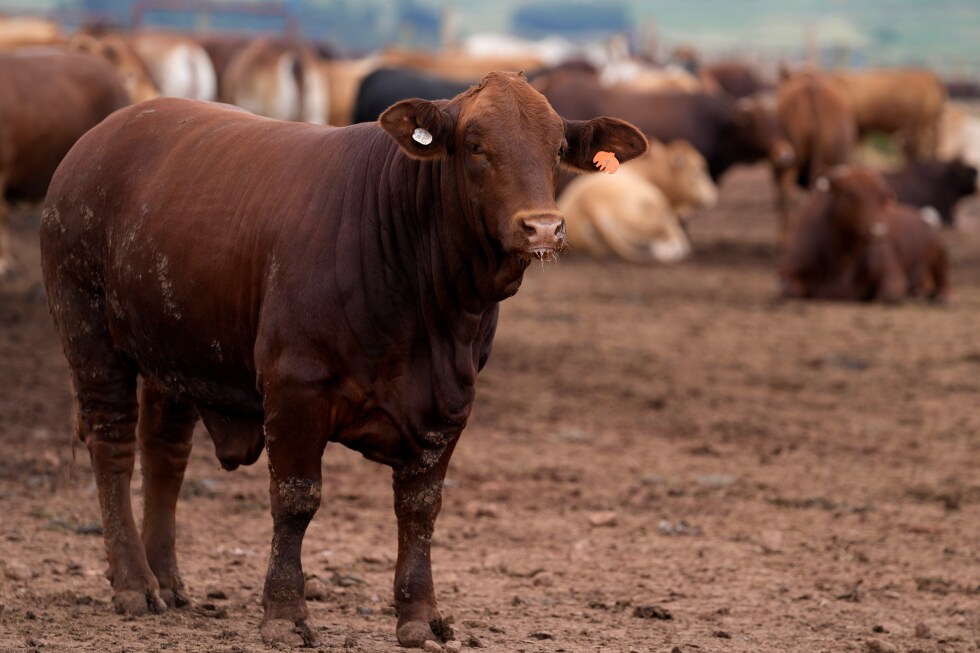
Dr. Dirk Verwoerd, veterinarian at South Africa’s largest meat producer Karan Beef, described the outbreak as “completely out of control” with rampant infections occurring daily across all provinces. The company’s Heidelberg facility—the nation’s largest feedlot spanning 2,300 hectares with capacity for 140,000 cattle—illustrates the industry’s vulnerability.
“The damage permeates entire supply chains,” Verwoerd explained. “Primary producers cannot sell livestock, processors cannot purchase animals, slaughter operations halt, and ultimately consumers bear the economic consequences. Our immediate objective must be achieving stability through national herd vaccination.”