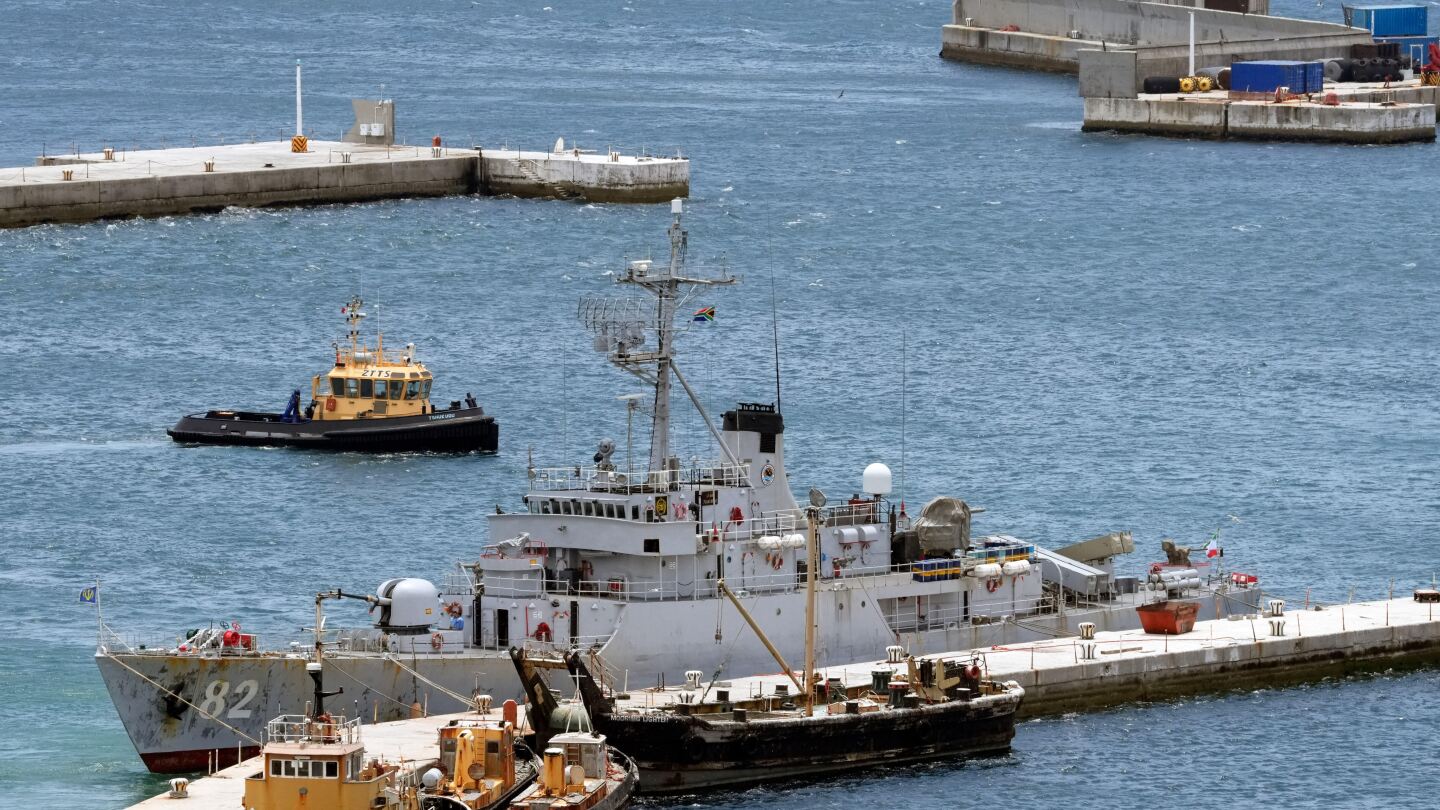
CAPE TOWN, South Africa — The South African Defense Ministry has initiated a formal investigation into whether military officials disregarded presidential directives regarding Iran’s participation in recent multinational naval exercises. The probe follows revelations that Iranian warships engaged in active combat drills despite President Cyril Ramaphosa’s explicit instructions limiting Tehran to observer status only.
The controversy emerged amid sharp criticism from the United States, which condemned South Africa’s hosting of Iranian naval forces during joint exercises with China, Russia, and the United Arab Emirates. The U.S. Embassy in Pretoria issued a strongly worded statement characterizing the invitation as ‘unconscionable’ given Iran’s ongoing suppression of domestic protests, which human rights organizations report has resulted in over 2,600 fatalities.
Defense Minister Angie Motshekga asserted that Ramaphosa’s instructions had been ‘clearly communicated to all parties concerned,’ though specific details of those directives remain undisclosed. The investigation will determine whether these presidential orders were ‘misrepresented and/or ignored’ by defense officials.
Observers confirmed the presence of at least three Iranian warships in South African waters, including one docked alongside Chinese and Russian vessels in Simon’s Town naval base near Cape Town. The exercises, conducted under the auspices of the BRICS alliance, concluded Friday after several days of operations.
The diplomatic incident occurs against a backdrop of deteriorating U.S.-South African relations since President Donald Trump’s return to office. The Trump administration has repeatedly criticized Pretoria’s foreign policy orientation, including its diplomatic engagement with Iran and allegations of anti-American alignment. South African officials maintain the country pursues a neutral, non-aligned foreign policy open to dialogue with all nations.
This development marks Iran’s inaugural participation in BRICS naval operations following its accession to the bloc in 2024, representing another expansion of the coalition designed to counter Western economic and institutional dominance.