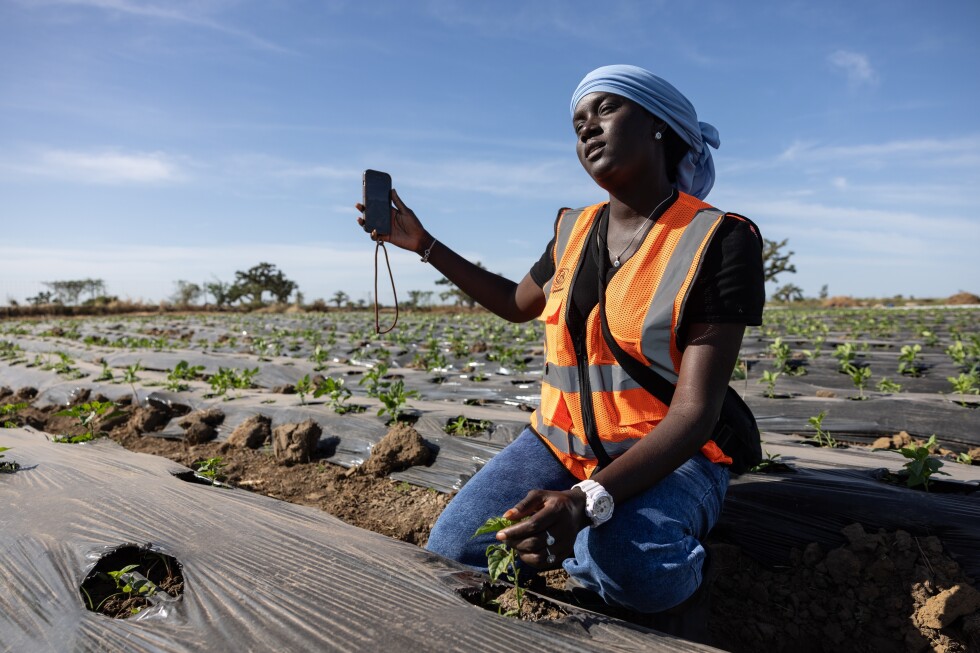
DAKAR, Senegal — A digital agricultural revolution is unfolding across West Africa as farmers leverage social media platforms like TikTok to transform traditional farming practices and market access. What began as entertainment platforms have evolved into vital business tools for millions of agricultural producers throughout the region.
Pape Fall, a Senegalese farmer, exemplifies this transformation. Initially using TikTok for football highlights and humorous content, Fall now conducts most of his business through the platform. His profile features looped videos showcasing cucumber harvests set to Senegalese rap music, complete with availability details and contact information. This digital approach has enabled him to directly connect with buyers, bypassing traditional intermediaries.
The phenomenon represents a significant shift in how agriculture is perceived and practiced in a region historically plagued by food insecurity and poverty. While foreign funding reductions from U.S. and other international donors have exacerbated challenges, social media has emerged as an unexpected solution, providing both educational resources and market opportunities.
According to Abbie Phatty-Jobe, digital agriculture specialist at U.K.-based research firm Caribou, “Social media is democratizing access to information for farmers.” Caribou’s research, the first to examine regional farmers’ TikTok usage, has helped establish a network of 24 agricultural influencers across 11 African countries, reaching approximately 5 million people with content that translates scientific research into practical farming advice.
The platform’s impact extends beyond marketing. Fall credits TikTok tutorials with improving his cultivation techniques, specifically mentioning advice from a Moroccan farmer about cucumber stem management that significantly increased his yields. This knowledge exchange occurs across continents, with farmers from North Africa to Asia sharing best practices.
Regional preferences vary significantly: West African farmers favor TikTok’s video format and local language support, while East African producers prefer Facebook’s text-based posts due to higher literacy rates. Successful entrepreneurs like 29-year-old Nogaye Sene have built substantial businesses through these platforms, with Instagram and TikTok generating 70% of her clients for farmland management services targeting both local residents and diaspora investors.
However, challenges persist. Sene warns of widespread online scams involving fake farming consultants, while researcher Nicolas Paget notes that approximately 80% of farmers lack smartphones capable of running these applications. Even those with access face prohibitive data costs, with West African data packages being more expensive than European equivalents.
Despite these barriers, the organic adoption of existing social platforms appears more effective than customized solutions. As Paget observes, “Farmers are using existing apps in very creative ways and adapting them to their needs”—a testament to the innovative spirit driving agricultural digitalization in West Africa.