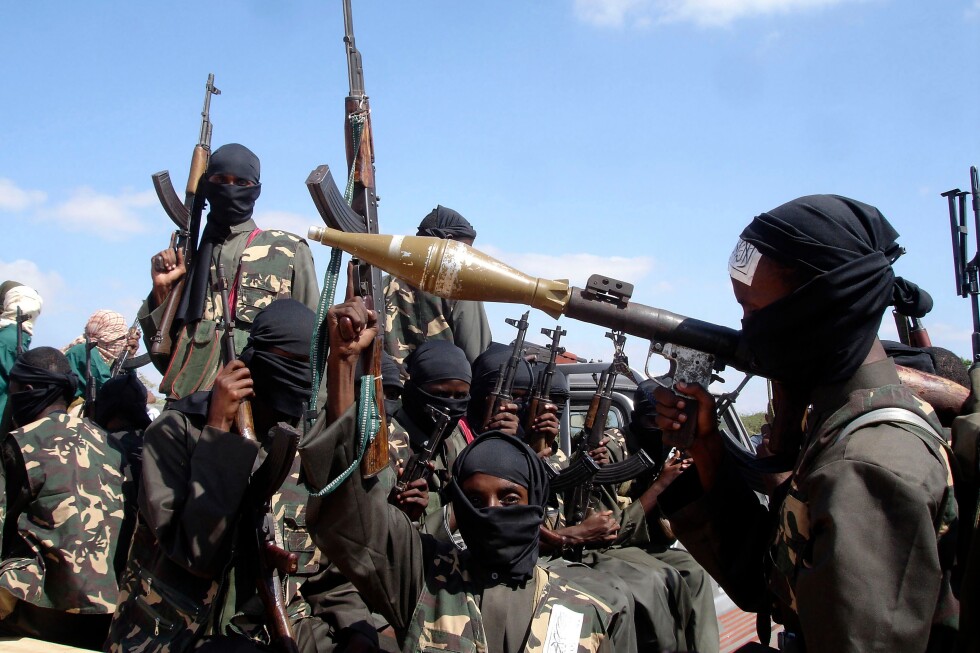
Somalia’s military campaign against the al-Qaida-affiliated al-Shabab militant group has gained significant momentum through a combination of U.S.-backed airstrikes and expanded ground operations, according to government officials. The offensive comes at a critical juncture as African Union peacekeeping forces gradually withdraw, transferring security responsibility to Somali national forces after nearly two decades of insurgency.
The conflict’s trajectory has shifted notably through strategic operations targeting al-Shabab’s leadership hierarchy, bomb-making infrastructure, and territorial strongholds. Somali defense officials report successful reclaiming of territories in multiple regions including Lower Shabelle, Hiiraan, Middle Shabelle, and parts of Jubbaland that had remained under militant control for years. Key locations such as Jilib Marka, Gendershe, and Dhanaane—previously considered al-Shabab strongholds—have reportedly been secured by government forces.
The United States has played a crucial role in this tactical turnaround through AFRICOM’s precision airstrikes targeting training facilities, weapons depots, and senior leadership figures. Recent air operations have specifically focused on destroying improvised explosive device manufacturing sites and neutralizing vehicle-borne explosives before deployment. Somali intelligence services provide verified targeting information to minimize civilian casualties, though past strikes have drawn criticism from human rights organizations.
Security analysts note that expanded aerial surveillance and strike capabilities have fundamentally altered the battlefield dynamics. Drone coverage has enabled identification of previously inaccessible underground hideouts and supply routes, allowing government troops to advance into areas that were once al-Shabab sanctuaries. The technology also provides early warnings of militant movements near the capital Mogadishu, where security remains tight despite continued bombing attempts.
The timing of this offensive coincides with the African Union Transition Mission in Somalia gradually reducing its footprint, making international intelligence coordination and air support increasingly critical. However, Somalia faces overlapping challenges including climate-induced drought, political tensions between federal and regional authorities, and funding shortages affecting both security and humanitarian operations.
Experts caution that military gains must be consolidated through effective governance and service delivery to prevent al-Shabab from reestablishing control in vacated territories. The government has announced plans to rebuild homes and deliver aid in newly captured areas, recognizing that lasting stability depends on Somalia’s ability to secure and govern territory independently as international support scales back.