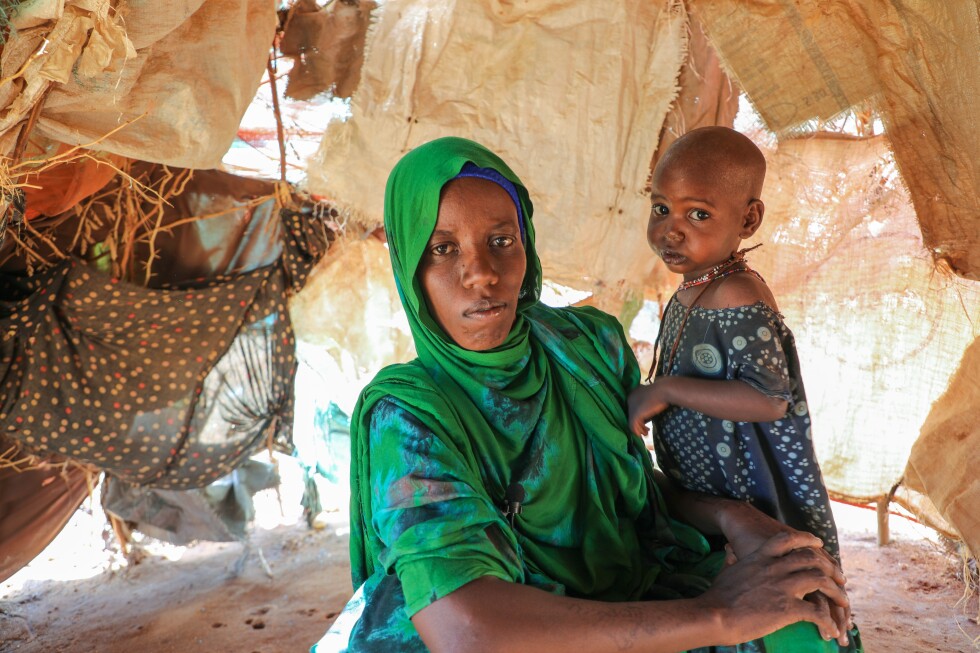
In the dust-blown outskirts of Dollow, southern Somalia, the Ladan displacement camp embodies a silent catastrophe. Here, the absence of crying children signals profound distress—the most severely malnourished lack even the energy to weep. Thousands of households, having fled a historic drought that decimated four consecutive rain seasons, now inhabit fragile shelters of plastic and torn fabric, their agricultural livelihoods obliterated.
This humanitarian disaster has been critically intensified by geopolitical turmoil thousands of kilometers away. Aid workers report that conflict in the Middle East has triggered severe supply chain disruptions and sent fuel costs skyrocketing, creating what UNICEF Executive Director Catherine Russell termed a ‘shock to the system’ during her Wednesday visit. With transport expenses potentially doubling on certain routes, the delivery of lifesaving supplies—including therapeutic nutrition, vaccines, and mosquito nets—faces unprecedented uncertainty.
Compounding this crisis, over 400 health and nutrition facilities across Somalia have shuttered in the past year, primarily due to sweeping U.S. funding cuts. The Somali government now warns that nearly 6.5 million people—approximately one-third of the population—face severe hunger as drought, conflict with al-Shabab militants, and global aid reductions converge.
At Dollow’s hospital, medical staff confront a harrowing new reality. Nutrition coordinator Liban Roble reports receiving children in ‘extremely critical condition—severely malnourished, weak, and in some cases almost skeletal’ rather than the moderate cases previously typical. Current supplies may only sustain treatment until April’s end, after which Roble warns ‘more children will deteriorate and potentially die.’
Community leaders confirm assistance has dramatically dwindled since September 2025, leaving therapeutic food for malnourished children as one of the few remaining interventions. According to the Integrated Food Security Phase Classification, 1.84 million Somali children under five are projected to suffer acute malnutrition by 2026, representing a humanitarian crisis of staggering proportions where global and regional conflicts directly threaten survival in one of the world’s most vulnerable regions.