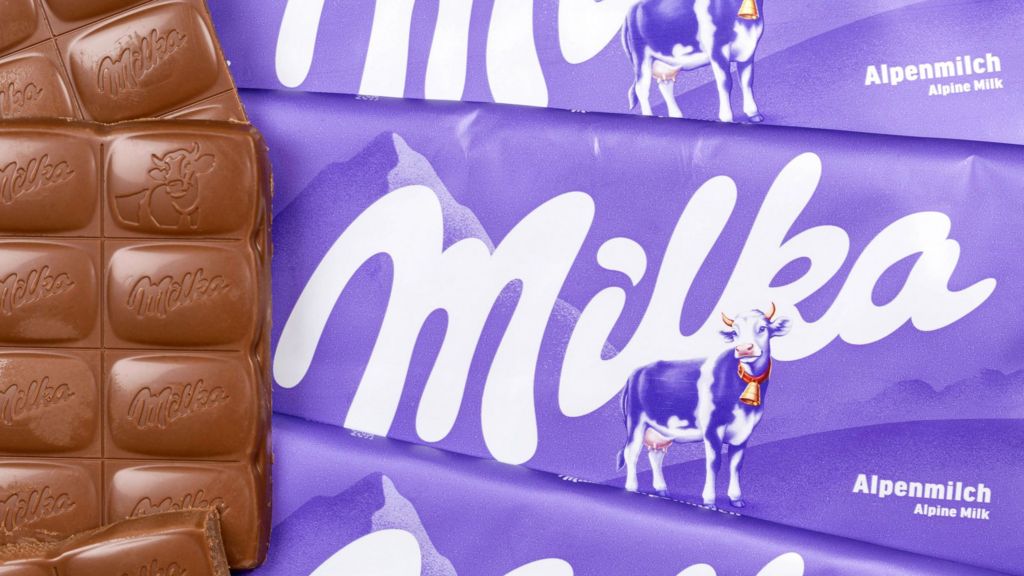
A regional court in Bremen, Germany has delivered a landmark ruling against global food conglomerate Mondelēz International, finding that the company’s shrinkflation adjustment to its iconic Milka Alpenmilch chocolate bar deceived consumers and violated national competition law. The case, which marks one of the highest-profile legal challenges to the widespread corporate practice of reducing product content while retaining identical packaging, centers on Mondelēz’s decision to cut the net weight of the classic Milka Alpine Milk bar from 100 grams to 90 grams between 2024 and 2025.
The lawsuit was brought by the Hamburg Consumer Protection Office (VZHH), which argued that keeping the bar’s instantly recognizable purple packaging unchanged despite a 10% reduction in product size amounted to intentional misleading of long-time customers. The Bremen regional court backed the consumer protection body’s claim in its ruling, noting that while retaining similar packaging is not inherently unlawful, the mismatch between consumers’ long-held visual expectations of the product’s size and its actual reduced content created deceptive ambiguity. The court emphasized that resolving this misleading impression would have required a clear, prominently displayed notice of the weight change directly on the front of the packaging, rather than small text buried among other product information.
In the years following post-pandemic supply chain disruptions and poor cocoa harvests in major West African producing regions, global confectionery manufacturers have increasingly turned to shrinkflation to offset skyrocketing input costs. The practice—reducing product size or weight to keep sticker prices consistent, or in some cases implementing simultaneous price increases alongside smaller portions—has drawn widespread criticism from consumer advocacy groups across Europe, who frame it as a deceptive tactic to hide inflation from shoppers. Last year, German consumers voted the adjusted Milka Alpenmilch bar the unwelcome title of “rip-off packaging 2025” for its unchanged packaging that hid the reduced weight. The criticism has been compounded by the fact that the product’s retail price also rose from €1.49 to €1.99 by early 2025, even as the bar shrank by 10 grams to just 90g.
In response to the ruling, a Mondelēz spokesperson told the BBC that the company is “taking the decision of the court seriously” and will conduct a detailed review of the verdict before deciding its next steps. During the three-week trial, company representatives defended the weight adjustment, arguing that they had notified German consumers of the change via their official website and social media channels, and that the weight change was clearly printed on the packaging. Mondelēz also noted that fluctuating chocolate bar weights have long been common across the industry, with historic weights ranging between 81g and 100g for different products. The current ruling is not yet legally final: Mondelēz has 30 days to file an appeal against the decision. The court also highlighted the importance of the ruling, noting that without an explicit finding against the practice, Mondelēz and other manufacturers could repeat the same deceptive strategy.
Milka is not the only high-profile chocolate brand facing backlash over shrinkflation in Germany. Iconic German manufacturer Ritter Sport has also drawn criticism for adjusting the weight of three of its most popular varieties from 100g to 75g as of May 2026, while retaining its famous square packaging shape. Though Ritter Sport updated its packaging labeling and marketed the thinner bars as a new product line that “consumers prefer” at the same price point, the adjusted varieties still appear on the VZHH’s list of problematic “rip-off packaging.” That list grew by 77 new products in 2025 alone, spanning far beyond confectionery.
Shrinkflation has impacted a wide range of everyday consumer goods across Europe, from toothpaste and rolled oats to instant coffee. However, UK consumer advocacy group Which? notes that chocolate has seen particularly steep inflation, with prices rising 14.6% in the 12 months leading up to August 2025, driven largely by the global cocoa price surge linked to poor harvests in West Africa.