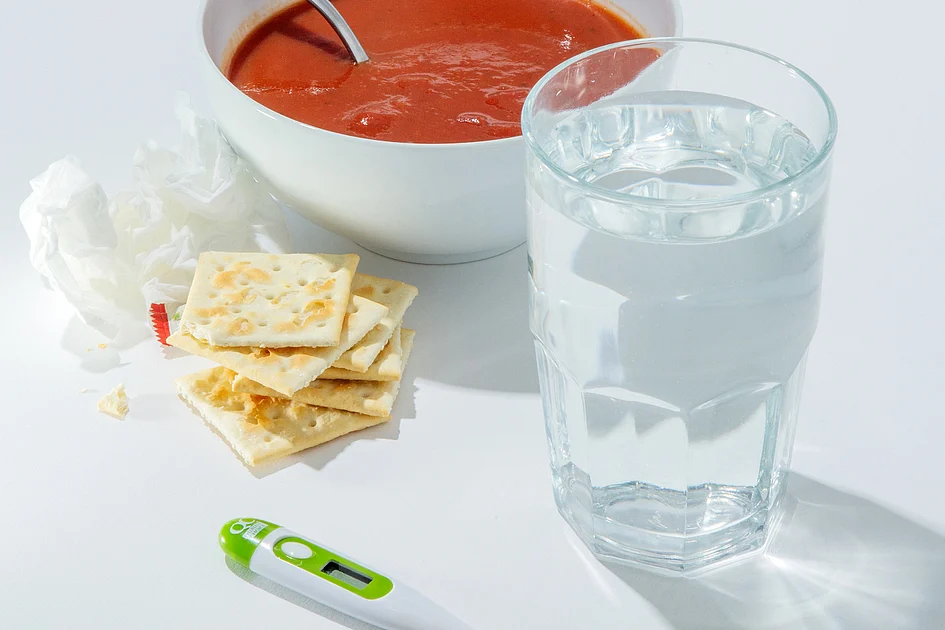
The age-old adage ‘feed a cold and starve a fever’ has been passed down through generations as a piece of sick-day wisdom. However, experts now reveal that this advice is little more than an old wives’ tale. Dr. David Schneider, chair of the department of family and community medicine at the University of Texas Southwestern Medical Center, emphasizes that there is no scientific basis for this claim. Instead, the focus should be on maintaining proper nutrition and hydration to support the body’s immune system during illness.
Benjamin Hurrell, an assistant professor of nutrition and immunology at the University of California, Davis, points out the logical flaw in the adage: it’s possible to have both a cold and a fever simultaneously, making the advice impractical. Research shows that being well-nourished is crucial for immune function. Chronic undernutrition or severe nutritional deficiencies can impair the body’s ability to fight infections, such as pneumonia or gastrointestinal illnesses, by reducing the production of infection-fighting immune cells.
Dr. Geeta Sood, assistant professor of medicine at Johns Hopkins University, notes that while eating nutritious foods like fruits and vegetables can help meet the body’s energy needs during illness, there is no strong evidence that specific foods significantly impact recovery. If you lack appetite for a day or two, it’s generally safe to rely on your body’s energy reserves. However, prolonged weakness warrants medical attention.
Supplements like zinc or vitamin C have limited proven benefits. While some studies suggest zinc may slightly reduce the duration of colds, others show no effect. Honey, on the other hand, has been shown to soothe coughs, according to a 2021 review of clinical trials.
Hydration is critical during illness, especially when experiencing a fever or cold. Dr. Michael Hanak, a family medicine physician at Rush University Medical Center, recommends drinking two to four liters of fluids daily to thin mucus and replenish lost fluids. Electrolyte drinks can be particularly helpful for fever-related dehydration.
Ultimately, the best advice for recovering from a cold or fever is to stay hydrated, rest, and let time do its work. As Dr. Hanak aptly puts it, ‘Time heals all wounds.’