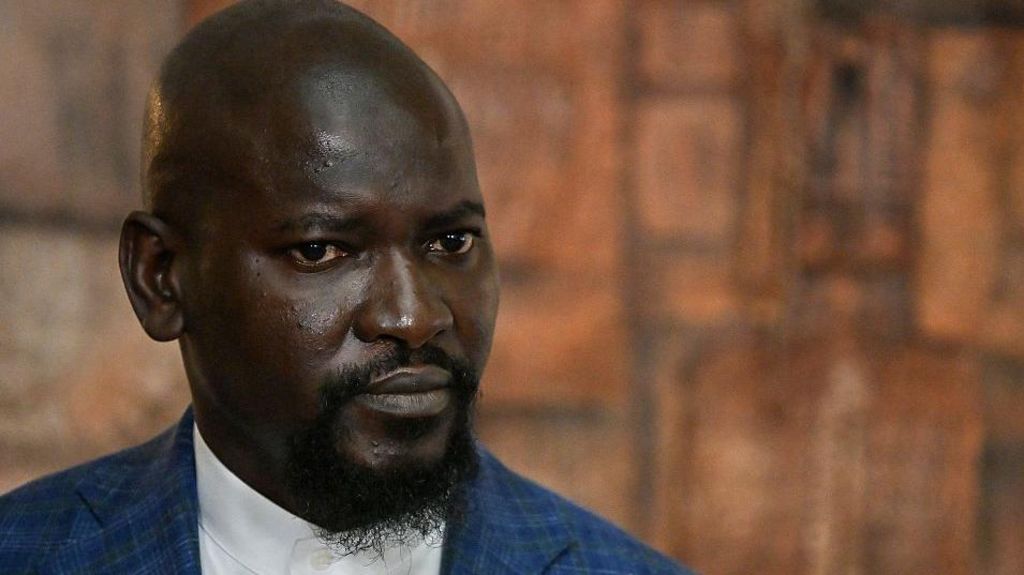
Guinea’s upcoming presidential election, scheduled for December, has ignited widespread criticism due to the exorbitant deposit required for candidates. Aspiring leaders must pay 875 million Guinean francs ($100,000) to participate, a move that has left many citizens and analysts stunned. This election marks a pivotal moment as the country transitions from military rule to civilian governance under a new constitution. Colonel Mamady Doumbouya, who seized power in a 2021 coup, is eligible to run but has yet to confirm his candidacy. The deposit, nearly identical to the previous election’s 800 million francs, has been criticized as a barrier to broader political participation. Political analyst Kabinet Fofana remarked, ‘This amount is huge and adds to the growing criticism of the election’s direction.’ Candidates who secure over 5% of the vote in the first round will have their deposit refunded. However, critics argue that the high fee favors wealthy individuals or those with state connections. Presidential candidate Faya Millimono highlighted the dramatic increase in deposits over the years, noting that it was only 50 million francs until 2005. The electoral body has also imposed a campaign spending limit of 40 billion francs ($4.6 million) per candidate, further narrowing the field. Despite these hurdles, 50 party candidates and 16 independents have been approved. Notably absent from the provisional list are major opposition parties, including the Rally of the People of Guinea and the Union of Democratic Forces of Guinea, though they still have time to register. Guinea’s election unfolds without key figures like former President Alpha Condé and former Prime Minister Cellou Dalein Diallo, both living in exile. The high costs and restrictive measures have raised concerns about the election’s fairness and inclusivity.