Fresh drone attacks targeting commercial shipping off Bulgaria’s Black Sea coast have left one vessel sunk and another heavily damaged, triggering a sharp diplomatic response and renewed warnings over escalating security risks to one of the world’s most critical food supply corridors. Bulgarian Prime Minister Rumen Radev confirmed the details of Tuesday’s coordinated strikes, which marked the second major assault on civilian shipping in the region in just one week.
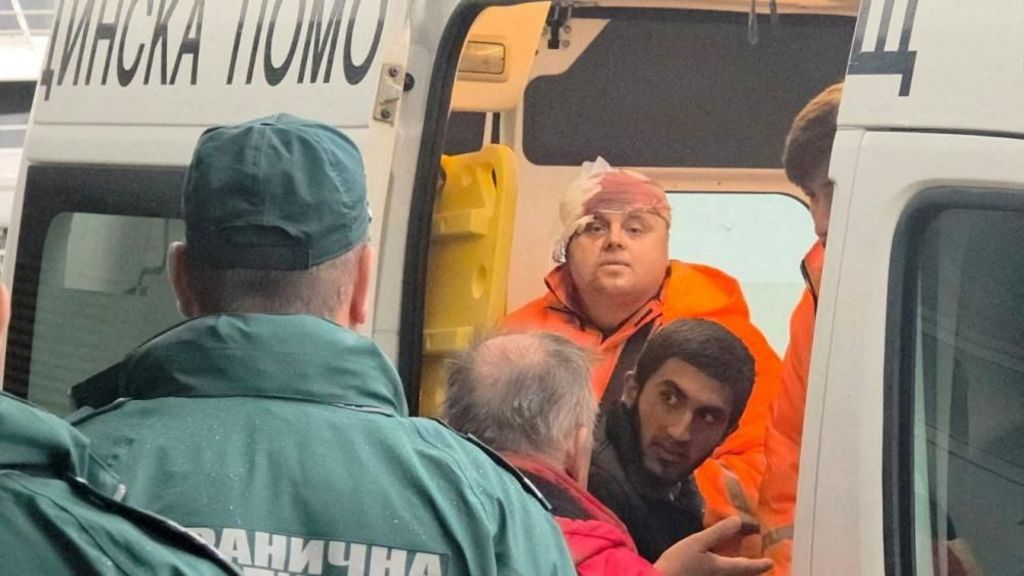
According to Radev, one cargo ship sank roughly 17 nautical miles east of the coastal town of Krapets, with only a single crew member rescued from the incident. The second vessel, identified as the *Chelsea 3* — a Maltese-flagged merchant ship owned by Ukrainian interests and registered in the port of Odesa — was struck by three drones approximately 18 nautical miles off Byala. All 15 crew members on board the damaged ship were evacuated successfully, though five sustained minor injuries and are currently receiving medical care.
In the wake of the attacks, Radev announced he had called Russian ambassador Eleonora Mitrofanova to account for the incident. While he stopped short of releasing conclusive, publicly verifiable evidence tying Russia to the strikes, Radev argued that the assault aligns with Moscow’s strategic interests in the region. “Another attack on merchant ships in the immediate vicinity of Bulgarian territorial waters is absolutely unacceptable,” the prime minister told security officials during an emergency meeting convened hours after the strikes.
Tuesday’s attacks come exactly one week after a separate pair of drone assaults on commercial ships in Bulgaria’s exclusive economic zone, in which one vessel, the *Alfa Watan*, sank. All 10 crew members on board that ship, nine of whom were Syrian nationals, are now presumed dead. Radev, who took office earlier this summer and has repeatedly pushed back against accusations that he holds pro-Russian leanings, confirmed he planned to speak with NATO Secretary General Mark Rutte in the immediate aftermath of the new strikes. He had previously requested technical support from both NATO and the European Union to investigate the early October attacks, when responsibility for the incident remained unconfirmed.
Ukraine has directly pinned responsibility for Tuesday’s attacks on Russia, echoing the position of top EU officials. European Commission President Ursula von der Leyen said Tuesday that the strikes have turned the Black Sea into “another front of escalation of the Russian war in Ukraine,” adding that the escalation “is unacceptable.” Ukrainian Foreign Minister Andrii Sybiha condemned the assault as further proof of Moscow’s deliberate disregard for civilian life and global maritime security. “The Black Sea is a lifeline for global food security,” Sybiha said in a statement. “Russia is attacking it to weaponise hunger and hold the world hostage. This must be met with strength.”
Russia has not yet issued any public comment in response to the accusations of its involvement in Tuesday’s strikes. Over recent weeks, Moscow has dramatically intensified its campaign of strikes against shipping along the western Black Sea, a campaign that is part of its broader full-scale invasion of Ukraine that began in 2022. The same day last week’s strikes targeting ships off Bulgaria took place, Ukraine launched a counter-strike that hit a Russian oil tanker in the Black Sea port of Sochi.
Moscow has defended its targeting of Black Sea shipping, claiming it only intercepts vessels carrying weapons and dual-use military cargo bound for Ukrainian ports. It has repeatedly blamed Ukraine for initiating attacks on commercial shipping in the region, and has rejected calls from Western powers for a unilateral naval ceasefire. However, Kyiv and its European allies argue that Russia is deliberately targeting civilian cargo ships carrying grain and other essential commodities, putting global food security at risk.
Turkey, a key Black Sea power that has sought to mediate between Russia and Ukraine throughout the conflict, has called on both sides to immediately halt all attacks on commercial shipping in the region. As of Tuesday, the international community is still working to confirm the full details of the latest strikes and coordinate a collective response to the growing threat to Black Sea security.