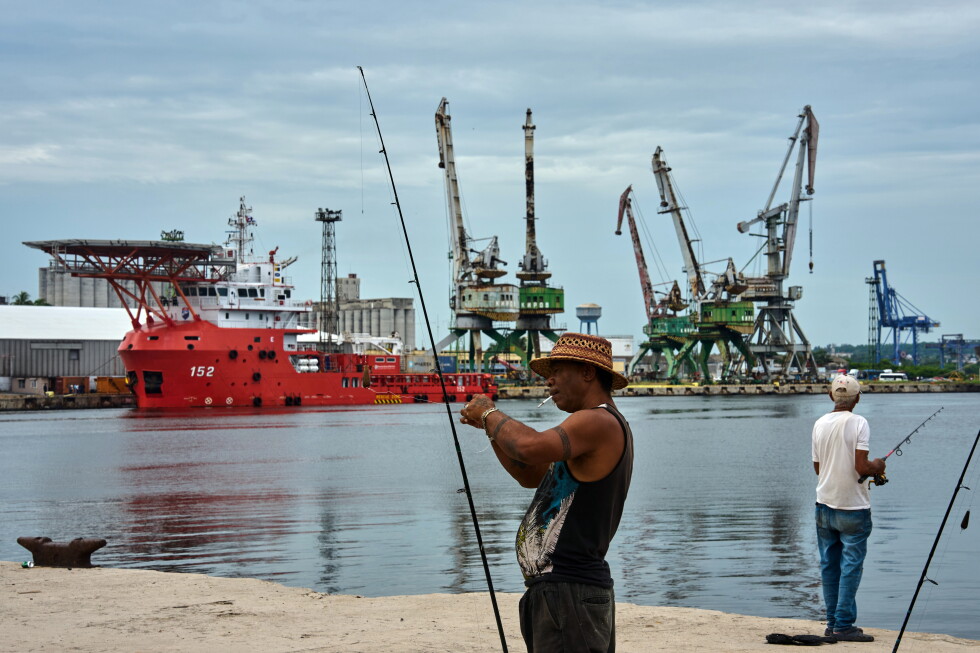
HAVANA – A Colombian-flagged cargo vessel carrying nearly 100 metric tons of food and critical supplies docked in Havana early Friday, marking the latest in a wave of cross-border humanitarian donations to Cuba as the long-running U.S. energy embargo continues to squeeze the island nation’s infrastructure and economy. The Associated Press verified that the ship, which departed the Colombian port of Cartagena at the start of June, navigated into Havana Bay at dawn, guided to its berth by a small Cuban auxiliary escort vessel.
According to Colombia’s Presidential Agency for International Cooperation, the 93-ton shipment was assembled and dispatched on direct orders from Colombian President Gustavo Petro. The cargo includes a wide range of urgently needed items: non-perishable staple foods, prescription pharmaceuticals, critical hospital equipment, electrical infrastructure parts, and solar panels to help alleviate the country’s ongoing energy crisis. An additional seven tons of donated goods, collected by grassroots Colombian solidarity organizations, were also loaded aboard the vessel for Cuban communities in need.
This Colombian delivery follows just days after another large humanitarian shipment reached Havana last weekend: a separate cargo ship carrying 1,700 tons of essential supplies jointly sent by Mexico and Belize. These coordinated donations come in response to a severe economic and energy crisis that has gripped Cuba since early 2025, when former U.S. President Donald Trump announced harsh new trade measures threatening tariffs on any third country that supplies oil to the island.
The U.S. government’s sanctions push is rooted in demands that the Cuban government release detained political opponents and implement sweeping political and economic liberalization reforms, conditions Washington has set for any rollback of long-standing trade restrictions. Cuba currently produces only 40 percent of its own domestic oil demand, and the cut-off of most international oil supplies triggered by the U.S. threat has left the island’s energy grid severely strained. Widespread, extended power outages have become a daily reality for many Cuban residents, paralyzing portions of economic activity and exacerbating shortages of basic goods across the country.
International aid organizations have warned that the cumulative impact of decades of U.S. sanctions, compounded by the recent energy embargo, has created one of the worst humanitarian situations Cuba has faced in decades, prompting an outpouring of solidarity from governments and civil society groups across Latin America and the Caribbean.