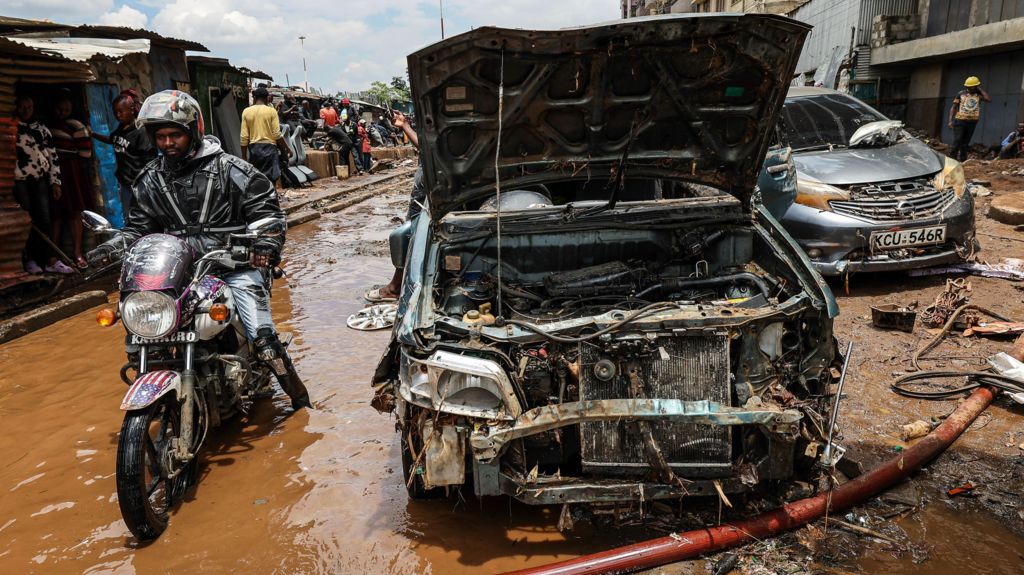
Kenyan authorities have confirmed a devastating death toll of 62 individuals following unprecedented torrential rainfall that has triggered the worst flooding in years across the East African nation. The catastrophic weather event has particularly ravaged the capital city of Nairobi, where inadequate drainage infrastructure and unregulated urban development have significantly exacerbated the crisis.
According to the latest reports from emergency services, the death toll has surged from 42 to 62 within just one week. Overnight rescue operations successfully saved 11 passengers trapped in a submerged minibus taxi (locally known as matatu) in Nairobi’s rising waters, while two children were dramatically rescued from a flooded residential building.
The relentless downpours have caused multiple rivers to burst their banks, resulting in widespread destruction of homes, critical road networks, and essential utility infrastructure including power and water lines. Numerous bridges in the capital have sustained severe damage, forcing road closures and disrupting transportation systems. Several educational institutions have also been inundated following Saturday’s exceptionally heavy rainfall.
Kenya’s Interior Ministry issued an urgent warning on Sunday, indicating that continuous heavy rainfall persists across various regions, substantially elevating flood risks nationwide. Authorities have implemented emergency evacuation protocols, strongly advising residents in low-lying areas to relocate to safer ground. Thus far, over 2,000 citizens have been compelled to abandon their homes seeking emergency shelter.
President William Ruto announced the deployment of emergency response measures, including the distribution of essential food supplies and medical assistance to affected communities. Simultaneously, municipal crews are working to clear obstructed drainage systems that have contributed to the severity of flooding in urban areas.
The humanitarian crisis extends beyond Kenya’s borders, with neighboring Ethiopia reporting more than 100 fatalities due to concurrent flooding and landslides in southern regions. Climate scientists emphasize that while multiple factors contribute to flooding patterns, atmospheric warming attributable to climate change has significantly increased the probability of extreme rainfall events. Global temperatures have already risen approximately 1.1°C since the pre-industrial era, with further increases anticipated without substantial emissions reductions worldwide.