A fresh escalation of Senegal’s simmering political crisis unfolded Sunday, when National Assembly Speaker El Malick Ndiaye announced his resignation just 48 hours after his close political ally, former Prime Minister Ousmane Sonko, was removed from office by President Bassirou Diomaye Faye. The unexpected departure opens a direct path for the ousted premier to seek the speaker’s position, a move that would put Sonko at the head of the legislature and escalate his power struggle with President Faye.
An official government notice released late Sunday confirmed that all members of parliament have been called to an extraordinary plenary session scheduled for Tuesday morning. The session’s agenda includes two critical votes: first, to restore Sonko’s parliamentary membership, and second, to elect a new speaker to fill Ndiaye’s vacant post.
The ongoing rupture between Faye and Sonko has thrown the West African nation, which is already grappling with a crippling national debt crisis, into unprecedented political uncertainty. The split comes just months after the pair led their shared Patriotic African Party for the People (Pastef) to a landslide victory in the 2024 general elections, running on a populist platform promising sweeping anti-corruption reforms and a break from the politics of the previous administration.
Faye’s ascension to the presidency was entirely reliant on Sonko’s political clout. Sonko, a fiery populist who built a massive, passionate following among Senegal’s disillusioned young population, was widely expected to win the March 2024 presidential vote before he was barred from running over a controversial defamation conviction. He threw his full support behind Faye, his former protégé, clearing the way for Faye’s election victory.
For months, simmering tensions between the two former allies boiled beneath the surface, until they spilled into public view and collapsed their governing alliance. Sonko launched repeated public criticisms of Faye, accusing him of failing to show leadership when Sonko faced pushback from political opponents. He also lambasted the slow pace of corruption investigations into senior officials from former president Macky Sall’s administration, a key campaign promise Pastef made to voters. The pair also clashed over fundamental policy approaches to managing Senegal’s crippling sovereign debt, deepening their rift. On Friday, Faye formally removed Sonko from his post as prime minister.
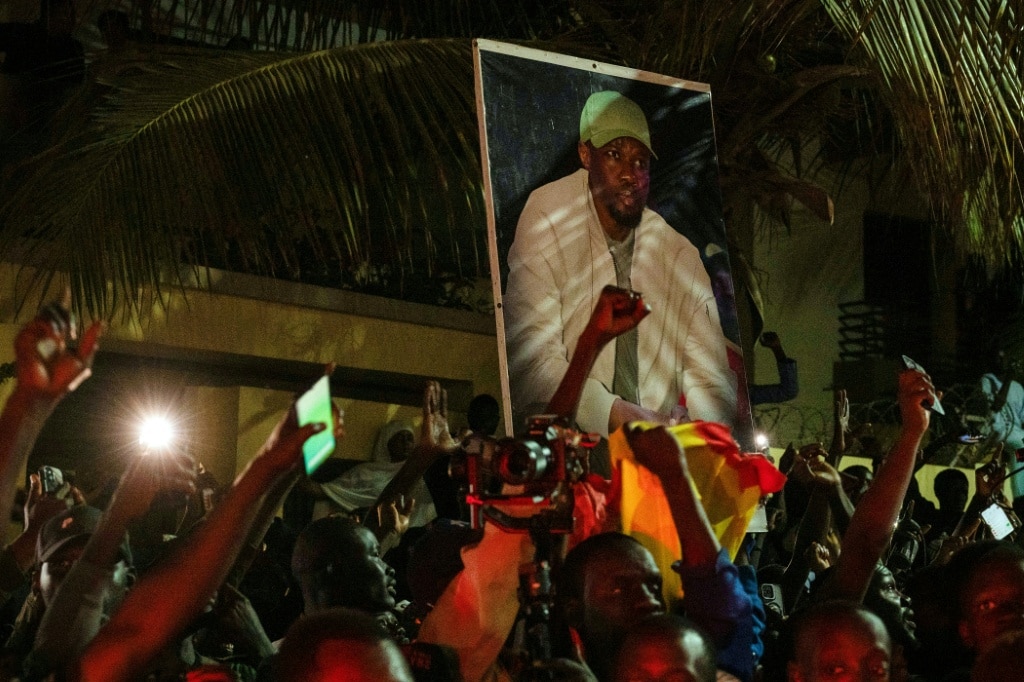
Within hours of Sonko’s dismissal, hundreds of his loyal supporters gathered outside his Dakar residence to demonstrate their backing. Sonko remains the undisputed, popular leader of Pastef, which holds a commanding majority in the National Assembly – a fact that leaves Faye’s ability to govern in serious question.
“Cohabitation between President Faye and the Pastef majority in parliament is going to be extremely complicated,” explained Babacar Ndiaye, research director at West African think tank WATHI. Ndiaye noted that Faye is required to nominate a new prime minister to replace Sonko, and that nominee must receive parliamentary approval within three months of their appointment. “If deputies choose to introduce a motion of no confidence against the new government, they have the numbers to pass it,” he added.
Complicating the political landscape further, President Faye cannot dissolve the National Assembly until November 2026, two full years after the last parliamentary election. A recent electoral reform passed by parliament several weeks ago also overturned Sonko’s ineligibility for public office, meaning he is now legally allowed to run for president. This sets the stage for a potential head-to-head matchup between the two former allies in the next presidential election, if the rift is not resolved before then.