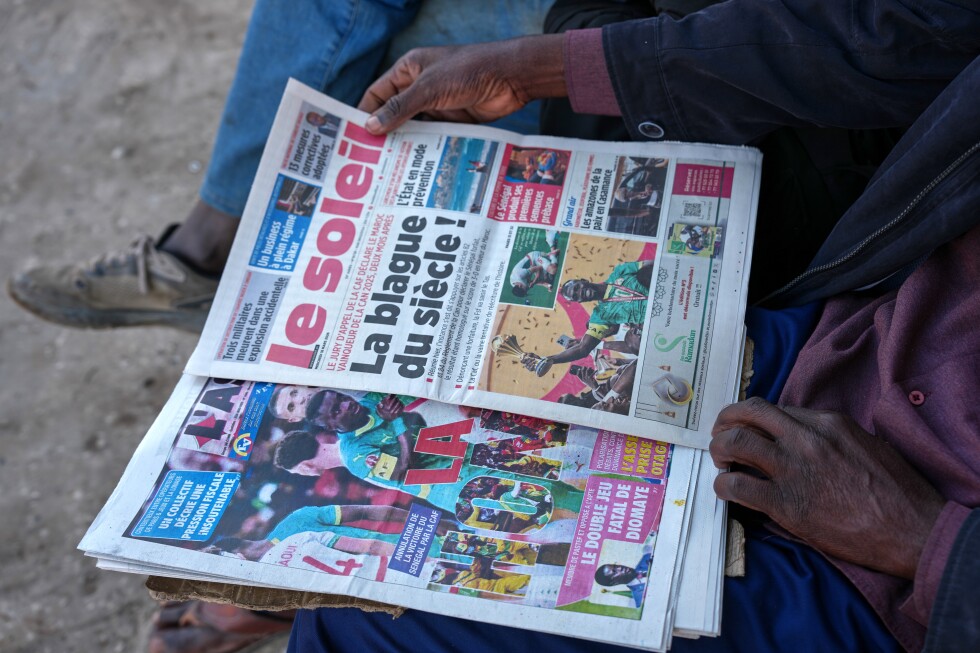
The Confederation of African Football (CAF) has plunged continental soccer into unprecedented controversy after its appeals board overturned Senegal’s Africa Cup of Nations victory, awarding the title to Morocco instead. The dramatic reversal comes two months after the chaotic final that saw Senegalese players temporarily leave the pitch amid fan protests.
CAF’s judicial body ruled that Senegal forfeited the match by exiting the field without referee authorization during the extended stoppage, granting Morocco a default 3-0 victory. This decision has ignited fierce backlash across Senegal, with the government announcing plans to pursue “all appropriate legal avenues” to challenge the verdict while calling for an international investigation into “suspected corruption” within CAF.
The original match featured extraordinary drama: Senegalese players abandoned the field for nearly ten minutes as their supporters clashed with stewards following a controversial penalty award to Morocco. When play resumed, Morocco missed the penalty, and Senegal ultimately secured victory with an extra-time goal.
The controversy has transcended sports, straining the historically strong relations between the two nations. Morocco and Senegal have maintained deep connections through shared religious traditions, substantial economic investments, and cultural exchanges. However, the diplomatic fallout has intensified following the sentencing of 19 Senegalese fans to prison terms of up to one year in Morocco for stadium-related offenses.
CAF President Patrice Motsepe has publicly denied allegations of favoritism toward Morocco, which is preparing to co-host the 2030 World Cup and has significantly invested in football development. “Not a single country in Africa will be treated in a manner that is more preferential than any other,” Motsepe asserted in an official video statement.
The decision has provoked strong emotional reactions from citizens of both nations. In Dakar, students expressed disillusionment with Moroccan relations, while in Casablanca, some business owners reported growing animosity toward Senegalese and sub-Saharan African migrants. Despite these tensions, community leaders emphasize the need to preserve long-standing friendships, acknowledging that while football evokes passion, it should not undermine decades of cooperation between brotherly nations.