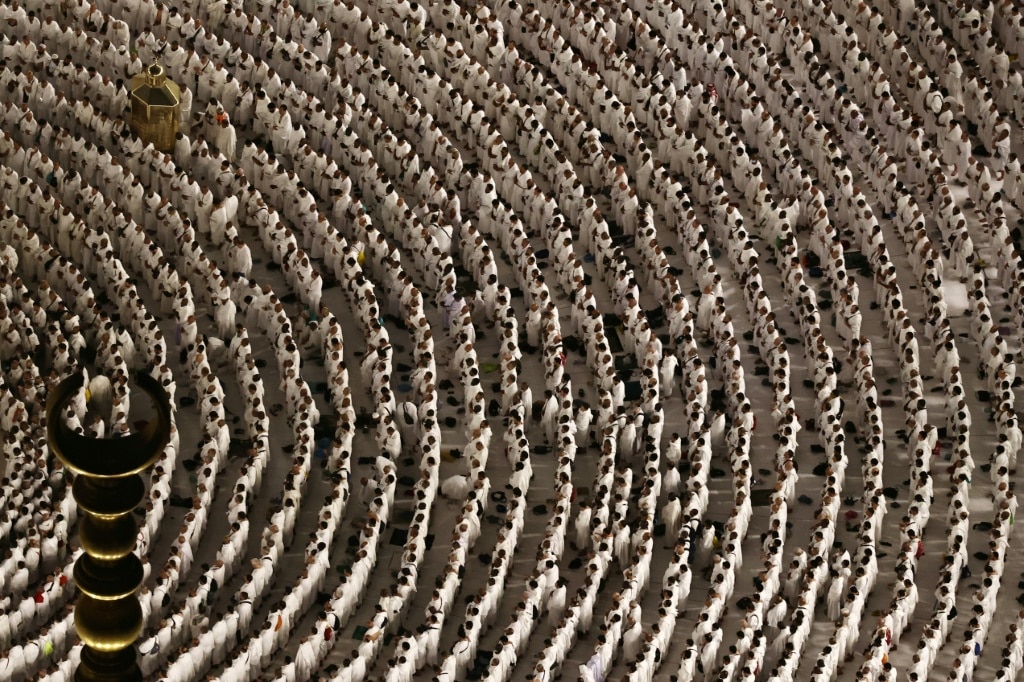
As record-breaking temperatures soar to 45 degrees Celsius across Mecca during this year’s annual Hajj pilgrimage, Saudi Arabian health authorities have turned to cutting-edge drone technology to address a critical logistical challenge: delivering life-saving medical supplies to hundreds of clinics treating pilgrims suffering from extreme heat exposure. For centuries, the sacred rituals of the Hajj have remained largely unchanged, but the 21st century influx of more than 1.5 million pilgrims from across the globe has pushed traditional logistics methods to their limit, prompting officials to integrate modern digital and autonomous technologies into crowd and resource management. Drones have emerged as the most transformative solution among these new tools, solving the persistent problem of supply delivery through congested road networks packed with pilgrim crowds. Prior to the adoption of drone delivery systems, ground vehicle drivers often spent more than an hour navigating gridlocked routes to restock clinics running low on heat exhaustion treatments and emergency medications. Today, 127 clinics spread across the holy sites of Mecca, Mina, and Arafat receive consistent, timely restocks via unmanned aerial vehicles, cutting delivery times dramatically and ensuring patients can access care when they need it most. Fahd Al-Bathi, chief operating officer of the National Unified Procurement Company (NUPCO), the public body overseeing medical supply logistics for the pilgrimage, told reporters that the core mission of the new drone program is to deliver fast, reliable service to the millions of pilgrims gathering for the sacred event. Preparations for the 2024 Hajj medical support operation began nine months in advance, with logistics teams mapping out flight routes, testing drone payload capacities, and training staff to manage the automated delivery network. NUPCO operations officer Turki Al-Obaidi explained that his teams work around the clock throughout the pilgrimage, with staff monitoring every drone delivery in real time from a central command center equipped with a large integrated data display. For large-scale crowd events like the Hajj, speed of access to medical care is a critical factor in preventing avoidable harm, Al-Obaidi added. The central logistics hub now coordinates all drone missions, loading medications, heat relief supplies, and other medical necessities onto aircraft before they launch for their designated clinics. Staff also use electric scooters to move quickly around the sprawling hub, keeping the delivery pipeline running smoothly. “We are seeking to integrate new innovations through which we can ensure that medical supplies arrive safely, as quickly as possible, and with the highest quality,” Al-Bathi said. Drones are just one component of a broader technology-driven overhaul of Hajj management designed to address the unique challenges of the region’s scorching desert climate. Artificial intelligence systems are also being deployed to analyze footage from thousands of security and surveillance cameras across Mecca, helping officials identify crowd congestion hotspots and respond to emergencies faster. These high-tech solutions work alongside traditional heat mitigation strategies that have long been used to protect pilgrims, including giant cooling fans, mobile water trucks distributing free drinking water, and misting systems that lower ambient temperatures for gathered crowds. Saudi health official Jamil Abu Al-Aynayn noted that heat exhaustion and heat stroke remain one of the most common and pressing health threats during the hot-weather pilgrimage, but authorities have maintained a state of constant high readiness to respond to cases, supported by the new technology infrastructure that speeds up access to care across all pilgrimage sites.