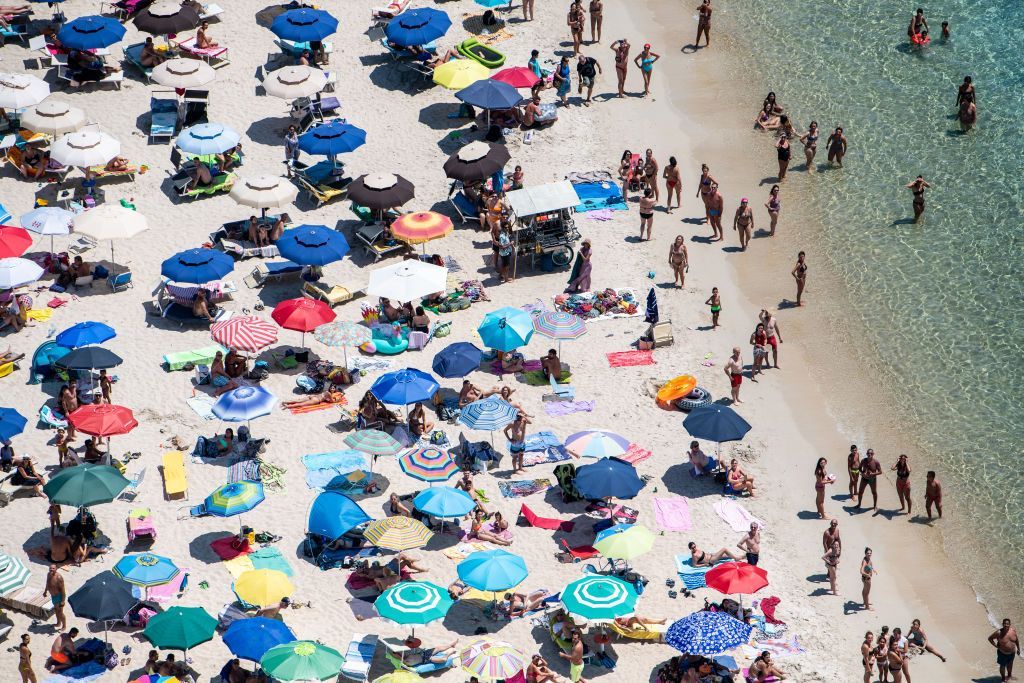
Nestled along the sun-drenched southeastern coast of Sardinia, one of Italy’s most beloved Mediterranean islands, Punta Molentis Beach has long been celebrated as a hidden gem — a quiet, ecologically rich stretch of sand framed by delicate coastal dunes and crystalline Tyrrhenian Sea waters. But just under a year after a devastating wildfire tore through the area, incinerating the beach car park, damaging fragile dune ecosystems and forcing hundreds of sun-seekers to escape by boat, local authorities have implemented sweeping new access restrictions designed to prevent further environmental harm and support the area’s recovery.
The disaster, which unfolded in late July 2025, saw flames advance all the way to the shoreline, with thick black smoke pouring out over the open sea. Dozens of vehicles parked in the beach’s main car park were completely destroyed by the blaze, leaving local officials scrambling to address the severe damage done to Punta Molentis’ already fragile ecosystem.
In the wake of the fire, the municipal government of Villasimius, the local town that administers the beach, approved the new set of regulations that will remain in force through October 31. The most notable change is a hard cap on daily visitor numbers: no more than 150 people will be allowed on the beach at any one time, and vehicle access is limited to just 70 cars per day. All visitors must make advance reservations to enter, and entry fees have also been introduced: travelers arriving by land will pay €10 (approximately £8.60) per person, while those coming by private watercraft will be charged €5 per person.
Arguably the most controversial new rule is a near-total ban on personal parasols and beach umbrellas. The restriction carves out exceptions for only two groups: visitors aged 65 and older, and families traveling with children under the age of 10.
Local officials have defended the measures, framing them as a necessary step to protect the irreplaceable coastal environment. “The ecosystem of Punta Molentis is one of the most valuable in our territory but also one of the most fragile,” the official municipal notice reads. The policy statement adds that limiting human activity is critical to safeguarding the natural heritage site for future generations to enjoy. This crackdown on overcrowding is not an isolated move for Sardinia, whose iconic postcard-perfect beaches have struggled with unsustainable tourism volumes for years; a growing number of popular coastal spots across the island have introduced similar access limits this summer.
Despite the official justification, the new rules have sparked pushback from both locals and frequent visitors. Critics have taken to social media to question the fairness and practicality of the umbrella restriction, with one local resident commenting on the Villasimius municipal government’s official social media page that visitors may soon have to “rent” a child or senior citizen to gain access to basic sun protection. Other critics argue that the restrictions do not go far enough, claiming that the only way to allow the fire-damaged ecosystem to fully recover is to close the beach to all visitors for multiple years, rather than just implementing incremental limits.
As one of Sardinia’s most sought-after summer travel destinations, Punta Molentis’ new rules highlight a growing tension across popular European coastal destinations: balancing the economic benefits of mass tourism with the urgent need to protect vulnerable natural environments that draw visitors in the first place.