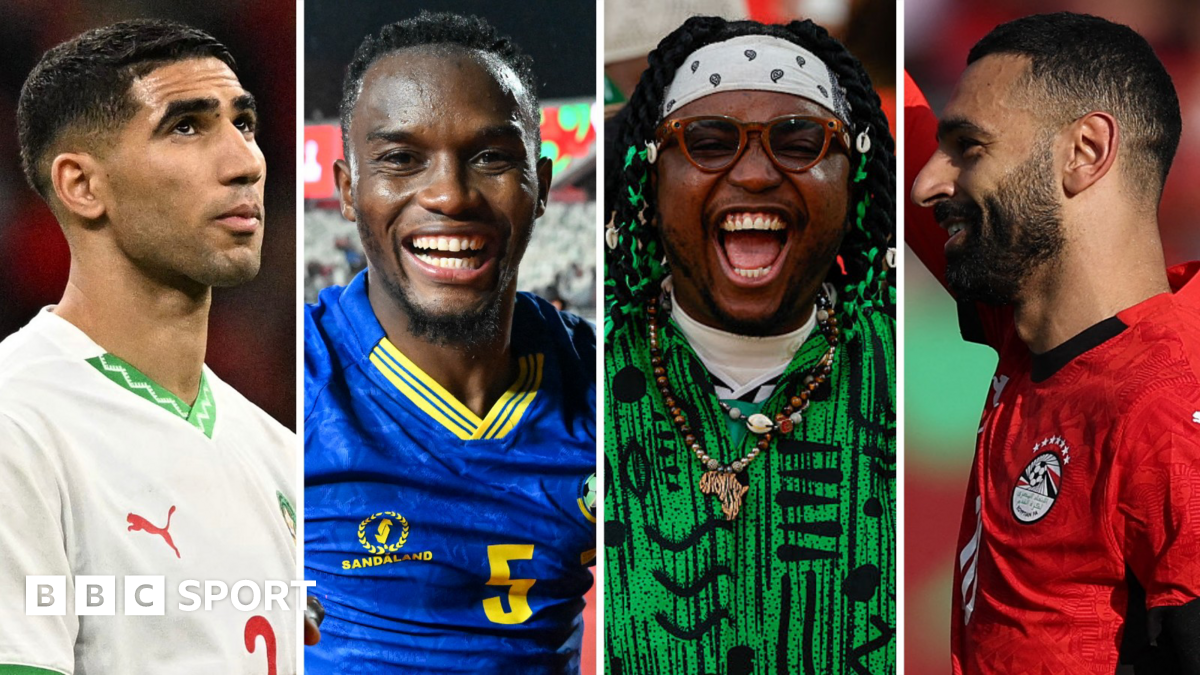
The 2025 Africa Cup of Nations (Afcon) transitions into its high-stakes knockout phase, setting the stage for dramatic encounters after a group stage that saw continental powerhouses assert their dominance. Tournament hosts Morocco, alongside formidable contenders Algeria, Nigeria, Egypt, Senegal, and Ivory Coast, all secured top spots in their respective groups without suffering a single defeat, signaling their intent to claim the prestigious title.
Algeria’s captain, Riyad Mahrez, emerges as the tournament’s current top scorer with three crucial goals, while Egypt’s iconic forward Mohamed Salah has already matched his personal best Afcon tally with two decisive strikes, including a masterful ‘Panenka’ penalty against South Africa.
Despite the commanding performances from favorites, the tournament narrative has been enriched by remarkable underdog stories. Mozambique, ranked 102nd globally, achieved a historic first-ever Afcon finals victory to advance, while Sudan’s national team, operating against the devastating backdrop of an ongoing civil war that forced them to play all qualifiers overseas, heroically reached the last 16 for only the second time since their 1970 championship triumph.
Tanzania created their own piece of history by progressing to the knockout stage with just two points—the lowest total ever for a third-placed team since the tournament expanded to 24 teams in 2019. Benin also ended a 15-match wait for their first Afcon victory in regular time, earning a challenging matchup against Egypt.
Significant subplots continue to unfold, particularly regarding the fitness of Morocco’s star defender and reigning African Footballer of the Year, Achraf Hakimi. The Paris St-Germain full-back made his long-awaited return from an ankle injury as a substitute against Zambia, though questions remain about his readiness for starting intensity.
The tournament has been notably affected by uncharacteristic weather conditions for North Africa, with persistent torrential downpours and cold temperatures creating challenging playing environments. Despite the adverse weather, Morocco’s state-of-the-art facilities—developed in preparation for co-hosting the 2030 World Cup with Spain and Portugal—have impressively withstood the conditions, providing excellent pitches throughout the group stage.