DAKAR, Senegal — In a significant development within the ongoing Eastern Congo conflict, Rwanda-backed M23 rebels have declared their intention to withdraw from the strategically vital city of Uvira, which they captured last week. This announcement comes despite escalating violence that threatens to undermine a U.S.-brokered peace agreement between Congolese and Rwandan leadership.
Corneille Nangaa, head of the Congo River Alliance that incorporates M23, characterized the planned withdrawal as a “unilateral trust-building measure” requested by American mediators to revitalize stalled peace negotiations. The rebel statement outlined specific conditions for lasting de-escalation, including complete demilitarization of Uvira, guaranteed protection for civilians and infrastructure, and implementation of neutral forces to monitor ceasefire compliance. Notably, the declaration stopped short of confirming whether rebel withdrawal would proceed without these prerequisites being met.
Local Uvira residents reported Tuesday that M23 fighters maintained their presence in the city despite the announced withdrawal plan. The rebel offensive, launched earlier this month, has already exacted a devastating humanitarian toll with approximately 400 casualties and nearly 200,000 displaced persons according to regional authorities.
This renewed violence directly contradicts the peace accord signed by Congolese and Rwandan presidents in Washington earlier this month under U.S. mediation. The United States recently accused Rwanda of violating this agreement by supporting the rebel offensive in mineral-rich Eastern Congo, warning of potential actions against “spoilers” of the diplomatic process.
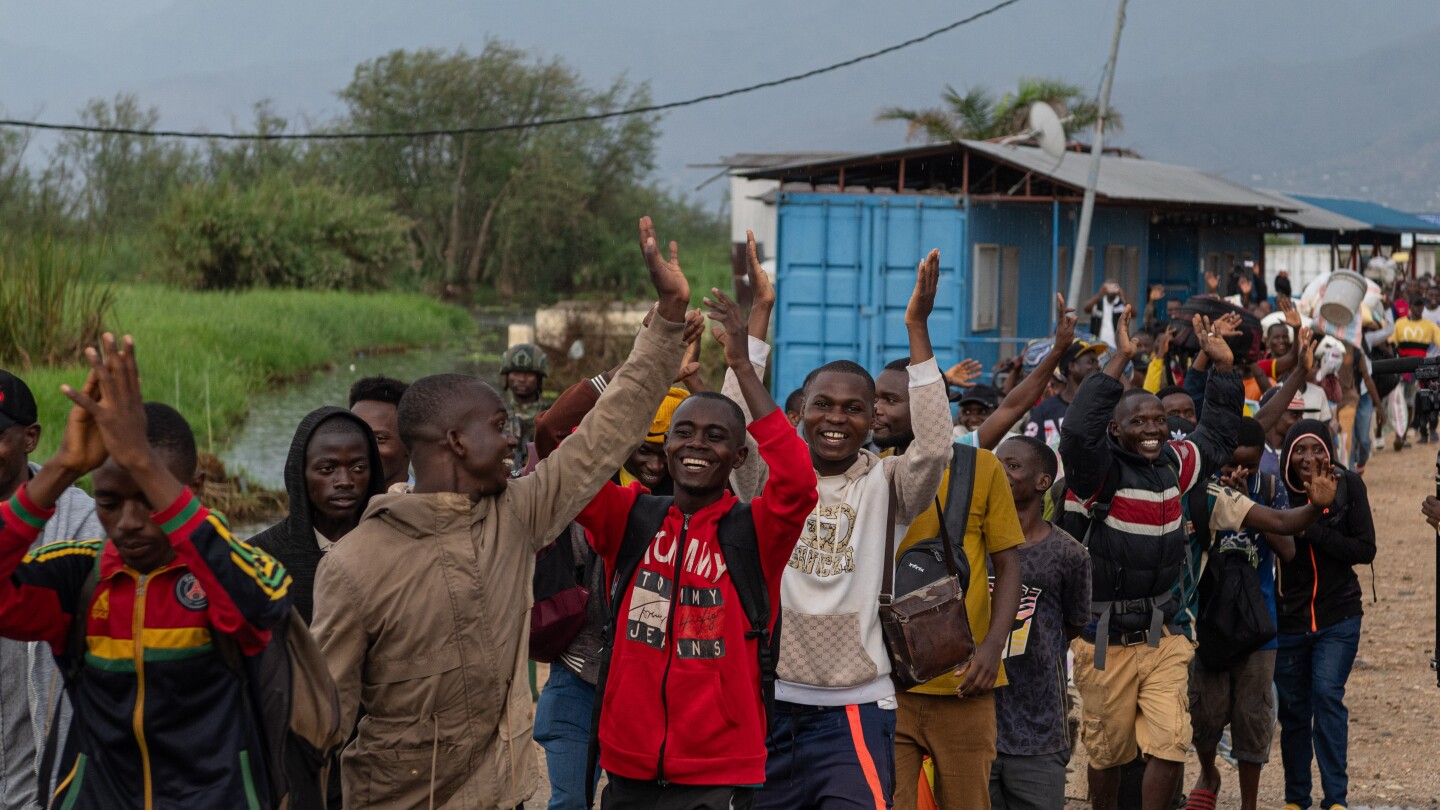
The conflict’s expansion has now reached the border of Burundi, prompting cross-border refugee movements and raising concerns about regional escalation. Burundi’s Foreign Ministry confirmed at least 30,000 Congolese citizens have crossed into its territory since December 8, with reports of artillery shells landing in the border town of Rugombo.
United Nations experts estimate M23’s forces have expanded dramatically from hundreds of fighters in 2021 to approximately 6,500 combatants today. The Eastern Congo region hosts over 100 armed groups competing for control near the Rwandan border, with the resulting humanitarian crisis displacing more than 7 million people according to UN refugee agencies.