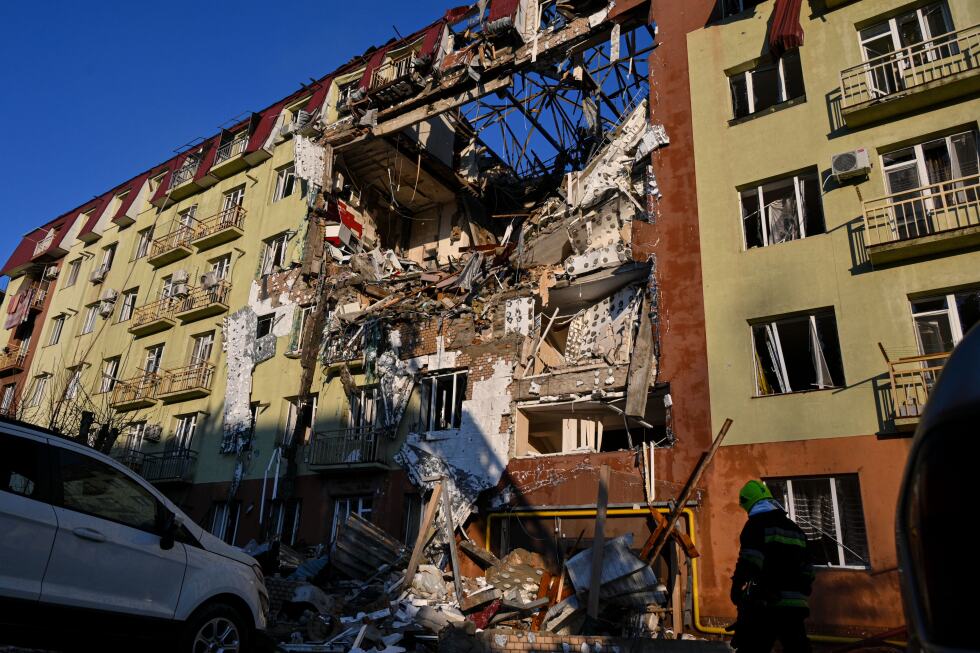
In a pre-ceasefire escalation that has heightened tensions ahead of the Orthodox Easter holiday, Russian overnight drone attacks on the strategic Black Sea port city of Odesa left at least two civilians dead and two more injured, Ukrainian local authorities confirmed Saturday. The assault, which targeted a residential neighborhood, caused extensive damage to multiple apartment blocks, private homes, and a nearby kindergarten, just hours before a 32-hour truce broached by Russian President Vladimir Putin was scheduled to take effect.
According to Ukraine’s Air Force statement, Moscow launched a massive wave of 160 drones across Ukrainian territory overnight, with 133 of the unmanned aerial vehicles successfully intercepted and destroyed by Ukrainian air defenses. In a simultaneous counterclaim, Russia’s Defense Ministry announced that its own forces shot down 99 Ukrainian drones across Russian territory and the Moscow-occupied Crimean Peninsula overnight.
Putin first announced the planned holiday ceasefire on Thursday, ordering all Russian combat forces to cease offensive and defensive hostilities starting at 4 p.m. local time Saturday through the end of Sunday for the Orthodox Easter observance. Ukrainian President Volodymyr Zelenskyy confirmed Saturday that Kyiv would respect the truce, framing the pause in fighting as a potential opening to advance diplomatic efforts toward lasting peace. However, he issued a clear warning that any violation of the ceasefire by Russian forces would be met with an immediate, robust military response.
“Easter should be a time of silence and safety. A ceasefire at Easter could also become the beginning of real movement toward peace,” Zelenskyy wrote in an official online post Saturday. “We all understand who we are dealing with. Ukraine will adhere to the ceasefire and respond strictly in kind.”
The proposed truce follows an earlier Ukrainian proposal to Russia for a mutual pause in strikes on each side’s energy infrastructure over the Orthodox Easter period. Past attempts to implement ceasefires between the two warring parties have largely failed, with both sides repeatedly accusing one another of violating the terms of agreed pauses within hours of them taking effect.
Kremlin spokesperson Dmitry Peskov framed Putin’s ceasefire announcement as a humanitarian gesture Friday, but reiterated that Moscow remains unwilling to move toward a comprehensive peace settlement unless its longstanding core demands are met — a sticking point that has blocked any meaningful diplomatic progress since the full-scale invasion began in 2022, now in its third year (correction from the original text: the invasion entered its third year in 2024, not fifth).
Beyond the ceasefire, discussions have also been held to carry out a new round of prisoner exchanges over the Easter weekend. Russian human rights ombudswoman Tatyana Moskalkova confirmed last week that negotiators from both sides are currently working to finalize details for the swap. Periodic prisoner exchanges have stood as one of the only areas of consistent progress in months of U.S.-brokered negotiations between Moscow and Kyiv, which have failed to deliver breakthroughs on the core political and territorial issues that stand in the way of ending the full-scale invasion.