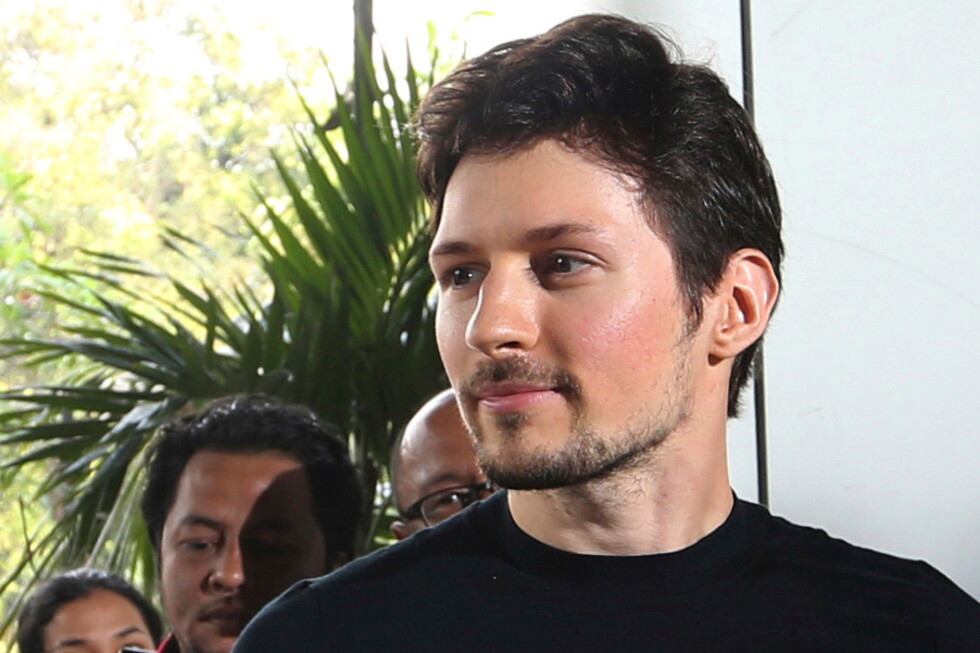
In a major escalation of Russia’s years-long campaign to tighten state control over digital spaces, the country’s top domestic security body announced Wednesday that Telegram founder Pavel Durov has been formally charged with aiding terrorism and placed on an international wanted roster. The move comes amid growing restrictions on Telegram, one of the last remaining widely used major messaging platforms in Russia, and fits into a broader crackdown on independent online activity that has accelerated sharply since Moscow launched its full-scale invasion of Ukraine in February 2022.
The Federal Security Service (FSB), Russia’s main domestic security agency, laid out its accusations in an official statement, claiming Telegram’s leadership has refused to take down dozens of channels, group chats and automated bots that the agency says are exploited by Ukrainian intelligence, terrorist groups and extremist organizations. According to the FSB, these tools are used to plan and carry out acts of sabotage, terrorist attacks, mass killings and cyberfraud within Russian borders, acts the agency claims have led to multiple deaths.
The FSB specifically called out a popular dating chat bot hosted on Telegram, alleging Ukrainian security services use it to bait and recruit Russian citizens to carry out sabotage and terrorist operations. The agency added that since July 2025, 46 people between the ages of 12 and 22 who used the bot have been detained across multiple regions of Russia.
Durov, who was born in Russia and launched his tech career in the country before relocating abroad years ago, has pre-emptively pushed back against the charges. Earlier this year, he confirmed Russian authorities had opened a criminal investigation against him, and accused the Kremlin of fabricating false pretenses to restrict Telegram access as part of a broader push to eliminate online privacy and censor free speech in the country. If Durov is ultimately convicted by Russian courts, he could face a sentence of life in prison.
Wednesday’s announcement is the latest development in a multifaceted, years-long effort by the administration of President Vladimir Putin to rein in unregulated internet activity within Russia. Russian lawmakers have passed a raft of restrictive digital laws, blocked access to websites and platforms that refuse to comply with state demands, and invested heavily in technology to monitor and control online traffic for the state.
To date, dozens of major global social platforms have been fully banned in Russia, including Meta-owned Facebook and Instagram, as well as X (formerly Twitter). YouTube has had its access speeds severely throttled to discourage use, while competing messaging apps Signal and Viber have been fully blocked. Even widely used domestic favorites WhatsApp and Telegram have faced growing access restrictions. While many Russian internet users have attempted to bypass these blocks using virtual private network (VPN) tools, Russian authorities have moved systematically to block most popular VPN services as well.
Parallel to these restrictions on independent platforms, the Russian government has heavily promoted a homegrown “national” messaging app called MAX, which critics warn is designed explicitly for widespread state surveillance. Marketed by developers and state officials as an all-in-one tool for private messaging, accessing government services, processing digital payments and more, MAX openly states it will share user data with law enforcement and security agencies upon official request. Security experts also note the platform lacks end-to-end encryption for user communications, leaving all content open to state monitoring.
This is not the first time Durov has faced criminal scrutiny outside of Russia. In 2024, he was arrested in Paris over similar claims that the Telegram platform was being used to facilitate illegal activity, including drug trafficking and the distribution of child sexual abuse material. This story has been corrected to update the potential penalty Durov faces in Russia: the charges carry a maximum sentence of life imprisonment, not 15 years as initially reported.