In the tranquil village of Ambohidava, Madagascar, a crimson wooden post symbolizes an impending transformation that threatens to dismantle generations of agricultural tradition. This marker designates the path of a controversial $1 billion highway project linking the capital Antananarivo to Toamasina, the nation’s primary port city.
The proposed infrastructure promises to revolutionize Madagascar’s economy by slashing the current 16-hour journey between these key cities to merely three hours. Government projections indicate the highway could triple activity at Toamasina port, facilitate exports of premium commodities like vanilla, and generate substantial employment opportunities along its 260-kilometer corridor.
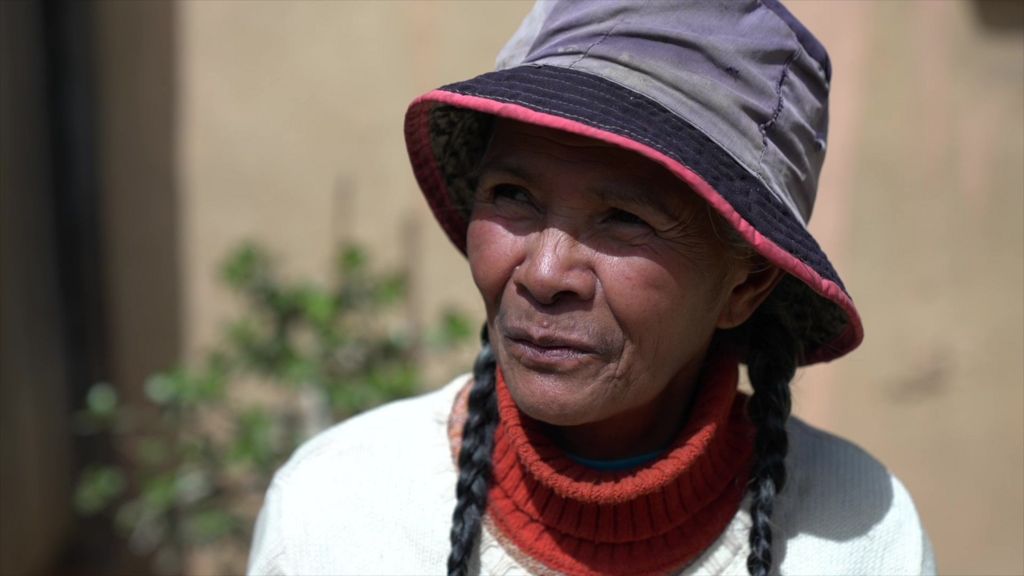
However, this development exacts a profound human cost. Seventy-year-old Neny Fara, whose family has cultivated rice and pineapples in Ambohidava for generations, faces the potential destruction of her ancestral farmlands. “I feel stabbed in the back,” she expresses, highlighting the absence of official communication regarding compensation. Her concerns echo throughout the community, where multiple farmers report similar uncertainties despite governmental assurances of restitution within one year of the road’s completion.
The project’s implementation continues despite recent political upheaval that deposed initial proponent President Andriy Rajoelina. The current administration maintains commitment to the venture, financed through a combination of state funds (20%) and international sources including the Arab Bank for Economic Development in Africa.
Environmental considerations have undergone significant revision since the project’s inception. Originally feared to encroach upon pristine rainforests housing Madagascar’s unique biodiversity, the route now primarily traverses previously cleared agricultural zones. Egyptian construction firm Sancrete further claims the improved road could reduce transportation emissions by up to 30%.
Yet cultural tensions persist. Villagers voice distress over potential desecration of ancestral burial grounds, considered sacred in Malagasy tradition. An impromptu community gathering, led by Neny Fara, revealed determined opposition to the current plans.
Former Environment Minister Max Fontaine defended the balance between preservation and progress, emphasizing parallel initiatives to formalize land ownership and prevent corporate land grabs. “This highway will radically change the face of Madagascar,” he stated, acknowledging both the transformative potential and necessary safeguards for affected communities.
As construction advances on the initial 8-kilometer segment, Ambohidava embodies the complex dilemma facing developing nations: reconciling economic advancement with environmental conservation and cultural heritage preservation.