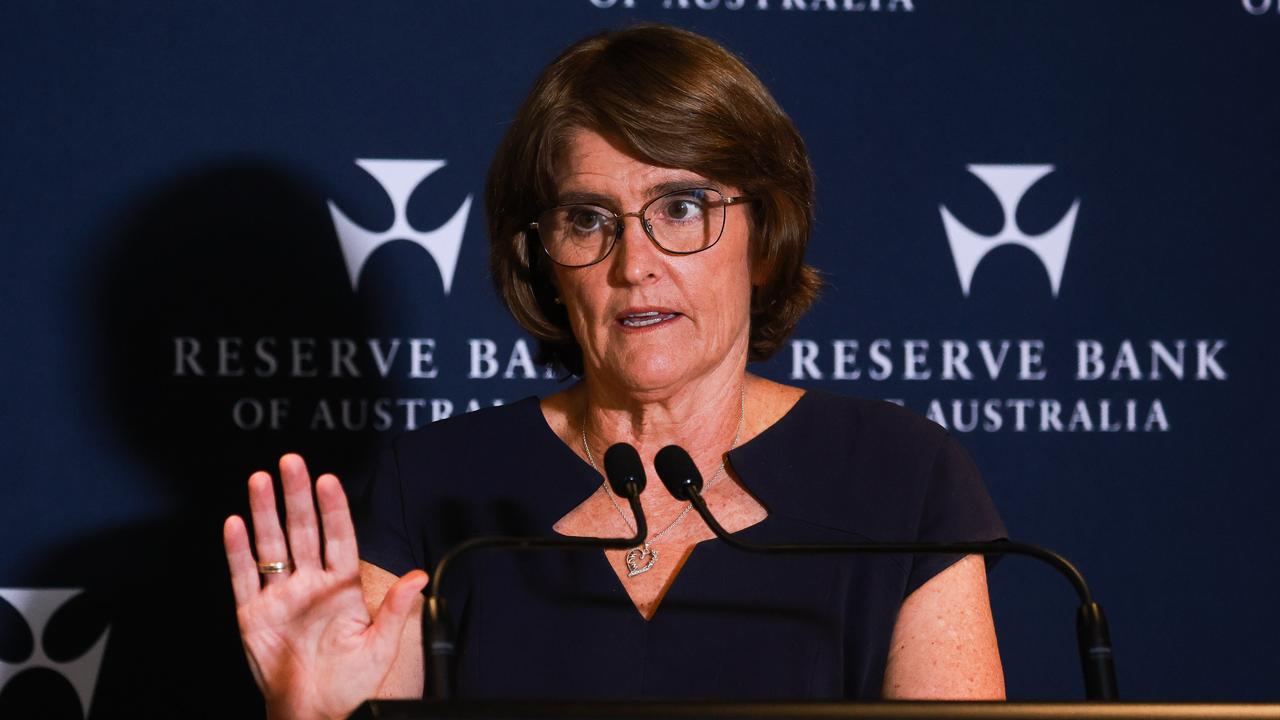
Newly released minutes from the Reserve Bank of Australia’s May monetary policy board meeting have revealed policymakers see clear room to hold interest rates steady next month, breaking a streak of three consecutive rate hikes that kicked off 2026.
At the early May gathering, a majority of 8 out of 9 board members voted in favor of a 25-basis-point hike that pushed the official cash rate to 4.25%, leaving the current benchmark at that level heading into June. The meeting’s deliberations, made public on Tuesday, center on balancing persistent above-target inflation with growing economic uncertainty triggered by the ongoing Middle East conflict.
The minutes note that even before the conflict escalated, inflation had run far above the RBA’s 2-3% target range. However, the regional instability has delivered a sharp, unanticipated shock to the global economic outlook, driving up fuel prices and creating new near-term inflationary pressures that monetary policy is powerless to mitigate in the short term.
“Having decided by majority to raise the cash rate target by 25 basis points, members considered what their deliberations implied for upcoming decisions … (they) agreed that the decision would give the board space to see how the conflict in the Middle East develops and Australian households and businesses respond,” the minutes read.
Across multiple scenarios tied to the conflict’s trajectory, underlying inflation is projected to remain above the RBA’s target for an extended period. Policymakers emphasized that keeping monetary policy restrictive remains critical to preventing broader, long-lasting inflationary spillover from energy cost shocks and keeping medium- to long-term inflation expectations anchored. The RBA’s current baseline forecasts project headline inflation will return to the target range by mid-2027, with less volatile underlying inflation hitting the 2-3% band by mid-2028. That outlook, however, hinges on two key assumptions: a rapid resolution of the Middle East conflict that pulls oil prices lower, and a gradual easing of domestic capacity pressures across the Australian economy.
Speaking at a Sydney Bloomberg forum on the same day the minutes were released, RBA Chief Economist Sarah Hunter added new context to the central bank’s outlook, noting policymakers are closely monitoring the housing market for cooling effects following changes to negative gearing and capital gains tax discounts announced in the recent federal budget. Hunter confirmed the RBA expects the pace of dwelling construction activity to slow over the forecast horizon, a trend consistent with the cumulative impact of previous rate hikes. Higher energy prices have already eroded Australian households’ real incomes, she added, a headwind that will likely weigh heavily on consumer spending in coming months. Hunter stressed that significant uncertainty remains around the inflation outlook: oil prices could stay elevated far longer than current market pricing suggests, and a wider escalation of the Middle East conflict could trigger prolonged global supply chain disruptions that push inflation even higher.
The RBA’s cautious, wait-and-see approach has drawn criticism from some market analysts, who argue the central bank has repeatedly fallen behind the curve on tackling inflation. Marc Jocum, a strategist at Global X ETFs, argued that the RBA’s delayed response to persistent inflation has forced the stop-start pattern of rate adjustments this year, after rate cuts in 2025. Jocum noted that February inflation data and April cost pressures already made clear that broader inflationary pressure was spreading through the Australian economy months ago. “The RBA is again arriving late to the party, like a pilot announcing turbulence after passengers have already spilt their drinks on board,” he said. “The RBA no longer needs a telescope to spot the inflation iceberg, as it’s now right in front of them.” While he acknowledged the Middle East conflict was an unforeseen shock that upended projections, Jocum said the RBA’s inconsistent policymaking raises questions about the central bank’s credibility, making it harder for households and businesses to plan for future economic conditions.
The dissenting board member who voted against the May hike shared concerns over downside demand risks, arguing that domestic capacity pressures were weaker than RBA staff projections suggested and that the risk of inflation expectations becoming unanchored was overstated.
Major bank economists have broadly aligned with the RBA’s signal that a June pause is the most likely outcome. Commonwealth Bank forecasts the RBA will hold rates steady for the remainder of 2026, with senior CBA economist Ashwin Clarke noting the minutes confirm the central bank wants time to assess the impact of three consecutive hikes and the ongoing Middle East conflict before moving again. While CBA expects rates to remain on hold over the next year, Clarke added that risks to the rate path remain tilted to the upside.
ANZ’s economics team also shares the view that a June rate hike is increasingly unlikely, and projects the RBA will hold the cash rate steady at 4.35% for an extended period. “The board thinks that financial conditions are tight but is uncertain on the extent of this and so is in more of a ‘wait and see’ mode with respect to developments, both with domestic activity and the Middle East conflict,” ANZ’s economists noted. Market consensus currently leans toward a pause in June, with a small share of analysts still projecting one final rate hike by November to bring inflation under control faster.