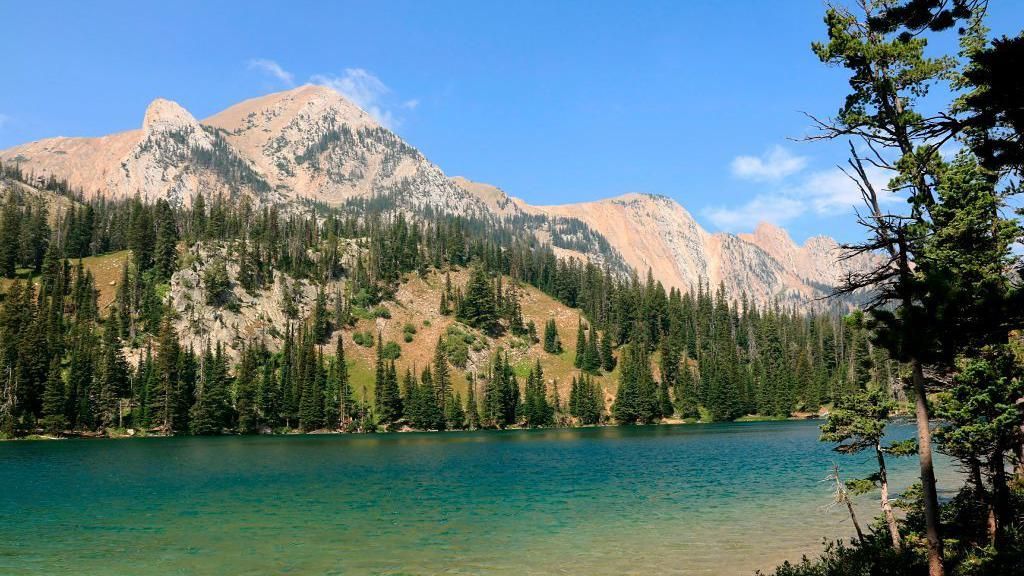
Nestled in the shadow of the snow-capped Rocky Mountains, the rugged, unspoiled beauty of Bozeman, Montana has long drawn dreamers and outsiders seeking a different way of life. For decades, that tight-knit community fit the small-town Western ideal: a mix of back-to-the-land idealists, working cowboys, college students, and seasonal ski workers who called this quiet rural outpost home. Today, that sleepy charm has been replaced by a constant hum of construction, orange traffic cones lining once-quiet streets, and license plates from every corner of the country marking a seismic shift that has split the town along socioeconomic lines.
Since the start of the COVID-19 pandemic, Bozeman’s population has surged by roughly 20% – an explosive increase for a town that counted fewer than 50,000 residents in 2019. This unprecedented wave of migration has been driven by a perfect storm of overlapping factors. For years, Montana has attracted conservative transplants from across the U.S., drawn to the state’s long-held cultural celebration of rugged individualism and self-reliance, as well as its tax policies that eliminate sales, luxury, and inheritance taxes. That trickle of new arrivals turned into a flood during the public health crisis, as thousands fled dense, locked-down coastal cities on the East and West Coests for open space and lower restrictions. “Their numbers increased exponentially as droves began fleeing the Covid mess … on the East Coast and West Coast,” explains Mark Corner, president of Southwest Montana Realtors.
One major cultural catalyst that accelerated outside interest has been dubbed the “Yellowstone Effect.” The hit Paramount drama *Yellowstone*, starring Kevin Costner, depicts sweeping, cinematic shots of Montana’s dramatic landscapes and romanticized ranching life, drawing millions of viewers who fell in love with the state on screen. “Everyone in Montana believes the Yellowstone television show, with its dramatic scenery and montages of Montana life and how beautiful it is here… had an impact on the housing market,” says Jeff Michael, director of the Bureau of Business and Economic Research at the University of Montana.
The result has been a skyrocketing of real estate and rental prices that has priced generations of local working-class residents out of the market. Corner notes that home values jumped 40% across the region in just two years, and costs continue to climb. During the pandemic, local buyers were routinely outbid by all-cash offers from out-of-state purchasers, many of whom bought homes sight unseen. The trend became so common that the Montana Association of Realtors was forced to add a new disclosure form to its standard contract library to address the practice.
Downtown Bozeman has been transformed in lockstep with the housing market. Long-standing local small businesses have been displaced by upscale boutiques, custom cowboy hat shops catering to tourists, and bespoke steakhouses that cater to new wealth and out-of-state visitors. The city’s airport, currently undergoing a major expansion, now regularly sees 80 to 100 private jets parked on its tarmac on any given day, most shuttling wealthy guests to the exclusive Yellowstone Club in nearby Big Sky – a gated resort community where A-list celebrities including Justin Timberlake and Tom Brady own multi-million-dollar vacation properties.
For working-class renters and low-income homeowners, the shift has been devastating. One-bedroom apartments now routinely rent for $2,000 or more per month, a rate out of reach for many single-income local households. Many long-term residents have been forced to leave Bozeman entirely, while those who stay often work two or three jobs to make ends meet, share homes with roommates, or commute long distances from more affordable communities outside city limits. Even residents who own their own mobile homes, a historically affordable housing option, have not escaped the crisis. Lot rents, the monthly fee mobile home owners pay to park their homes on community land, have surged across the city.
Seventy-three-year-old Sara Folger, a former city grants administrator who has lived in the Mountain Meadows mobile home park for 17 years and now works part-time at Montana’s first Whole Foods (which opened in 2023), has watched her lot rent nearly double over the course of her tenure. For many of her neighbors, the mobile home park is the last affordable option in the city. “There are so many people here [for whom] this is their last stop,” Folger says. “They have no place to go. They don’t have the money to pay the rent. There’s no housing for them that they can afford. There’s nothing. Where are they going to go?”
In May 2024, residents of two Bozeman mobile home parks organized Montana’s first rent strike in 50 years, pushing back against a planned $100 monthly increase in lot rents. After the strike, the park was sold to a new management company based in California, leaving the long-term future of residents and their homes uncertain. For many owners, moving an aging mobile home is not a viable option: “You can’t move a mobile home that’s been sitting for 25 years. It will disintegrate,” says 35-year-old Mountain Meadows resident Ben Moore, who moved to the park as a high school student with his father. “The only equity I have is in this trailer. It’s the same for a lot of people … even if we could move the trailer, where are you supposed to move it to?”
The growing anger over the housing crisis and the displacement of working-class locals has sparked a grassroots political shift in the city. In November 2023, 28-year-old Joey Morrison, a progressive candidate who ran on a platform of expanding affordable housing, was elected mayor. Morrison, who grew up in eastern Montana to a nurse mother and incarcerated father, was a founding member of Bozeman Tenants United, the local union that helped organize the mobile home park rent strike. He personally understands the impact of skyrocketing rents: a decade ago, he paid $333 per month for a room in a duplex; that same room now rents for $900. Today, he still lives with his fiancée and two roommates to afford housing in the city he leads.
Morrison’s election was part of a broader wave of young progressive candidates winning office on promises to defend working-class Montanans. In December 2023, 25-year-old local activist Katie Fire Thunder was appointed to a seat in the Montana House of Representatives, and 31-year-old union leader and former smokejumper Sam Forstag recently defeated an establishment candidate to win the Democratic nomination for Montana’s 1st congressional district. “Young people have seen, right in front of our very eyes, the way that our leaders currently are not making decisions that are protecting us,” Fire Thunder says. “They are making reactionary, short-term decisions that are benefiting… the wealthiest in this state, while we are all watching and are like: This is not how Montana works or Montana runs.”
Today, the stark divide between old and new Bozeman is visible everywhere, from the crowded downtown coffee shops full of remote workers coding on laptops, to the $170 whiskey pours on offer at swanky new downtown eateries. When a Colorado visitor visiting for his son’s Montana State University orientation noted the whiskey list was priced four times higher than what he pays at home, a nearby out-of-state sales rep summed up the new reality simply: “That’s Bozeman.”