The cricketing world faces unprecedented diplomatic turmoil as Pakistan’s threatened boycott of its T20 World Cup match against India draws severe criticism from Indian opposition leader Shashi Tharoor, who labeled the politicization of sports “pretty disgraceful.” The escalating crisis now threatens the integrity of the upcoming global tournament scheduled to commence on February 7, 2026.
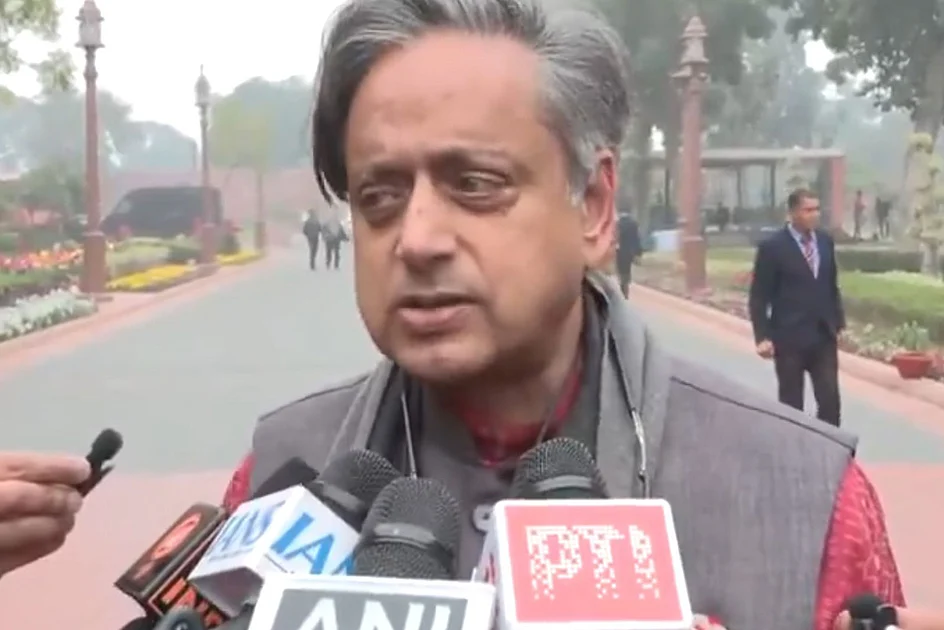
Tharoor, speaking to reporters, condemned the cross-border political interference affecting cricket, particularly referencing Pakistan’s solidarity with Bangladesh following the controversial denial of Bangladeshi pacer Mustafizur Rahman’s IPL contract with Kolkata Knight Riders. “It is pretty disgraceful that sport has been politicized in this way on both sides,” Tharoor stated, characterizing the situation as “spiraling out of control” despite cricket’s potential to unite nations.
The Congress MP issued an urgent appeal for emergency negotiations between cricket boards, suggesting the International Cricket Council (ICC) serve as mediator to resolve what he termed “this nonsense.” Tharoor emphasized that cricket’s profound cultural significance across South Asia should transcend political divisions, particularly on the playing field.
Pakistan’s proposed boycott carries significant competitive consequences, including automatic forfeiture of two points if they refuse to play India. Additional complications arise regarding potential knockout-stage encounters between the arch-rivals. The ICC has expressed concern over Pakistan’s “selective participation” stance, noting that while respecting governmental authority in national policy matters, such decisions undermine global cricket and disadvantage fans worldwide, including millions in Pakistan.
This confrontation continues strained India-Pakistan relations that nearly escalated into full-scale military conflict last year. Bilateral cricket remains suspended between the nuclear-armed neighbors, with ICC previously brokering neutral-venue arrangements for their tournament meetings.
The current impasse mirrors previous geopolitical tensions affecting cricket, including Bangladesh’s withdrawal from the tournament over safety concerns in India (replaced by Scotland) and last year’s Asia Cup controversy where Indian players declined handshakes with Pakistani opponents and refused the trophy from Pakistan’s interior minister Mohsin Naqvi, who also chairs the Pakistan Cricket Board.
PCB supported Bangladesh’s unsuccessful request to relocate matches to Sri Lanka, which ICC rejected while affirming security assurances for Bangladeshi players and fans. Naqvi nevertheless extended best wishes to Pakistan’s squad, expressing hope they would “return with the T20 World Cup trophy” despite the brewing controversy.