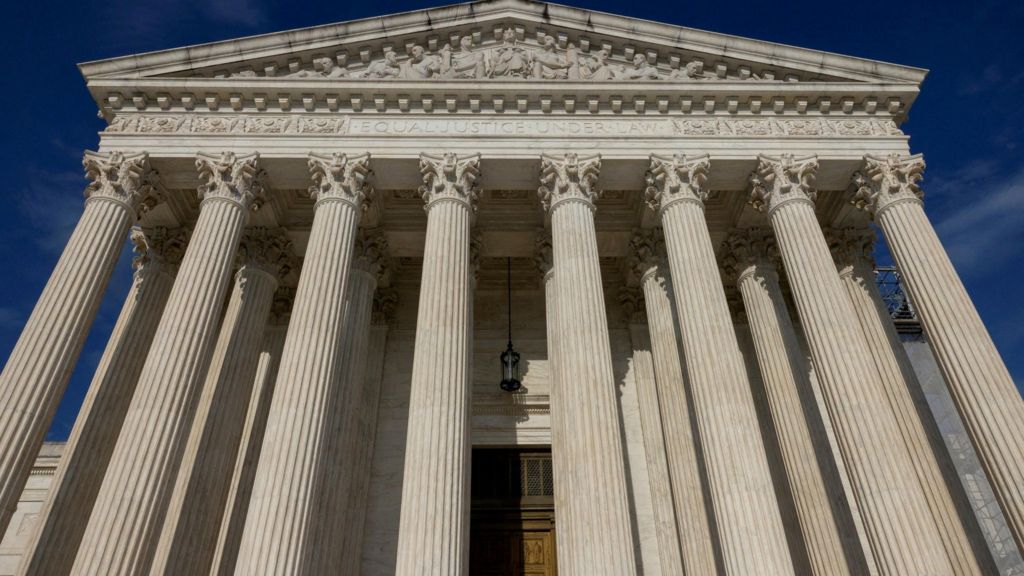
The U.S. Supreme Court on Wednesday engaged in intense scrutiny of former President Donald Trump’s expansive use of tariffs during the first nine months of his second term. The case, which centers on the constitutionality of unilateral tariff impositions, saw Chief Justice John Roberts and Justices Amy Coney Barrett and Neil Gorsuch—conservative jurists considered pivotal in this matter—question U.S. Solicitor General John Sauer, who defended the administration’s stance. The court’s liberal justices also expressed skepticism, challenging whether federal law and the Constitution grant the president such sweeping authority. The debate hinges on the 1977 International Emergency Economic Powers Act (IEEPA), which Trump’s legal team argues empowers the president to impose tariffs during emergencies. Critics, however, contend that the Constitution explicitly reserves tariff authority for Congress. Sauer argued that the nation faced ‘country-killing’ crises necessitating emergency action, warning that a ruling against Trump could expose the U.S. to ‘ruthless trade retaliation’ and severe economic consequences. The case has significant implications for $90 billion in import taxes already collected, with potential ramifications for U.S. trade policy and presidential powers. A decision is expected by June, with the administration reportedly preparing alternative strategies should the court rule unfavorably.
Power behind Trump’s tariffs under microscope in Supreme Court arguments