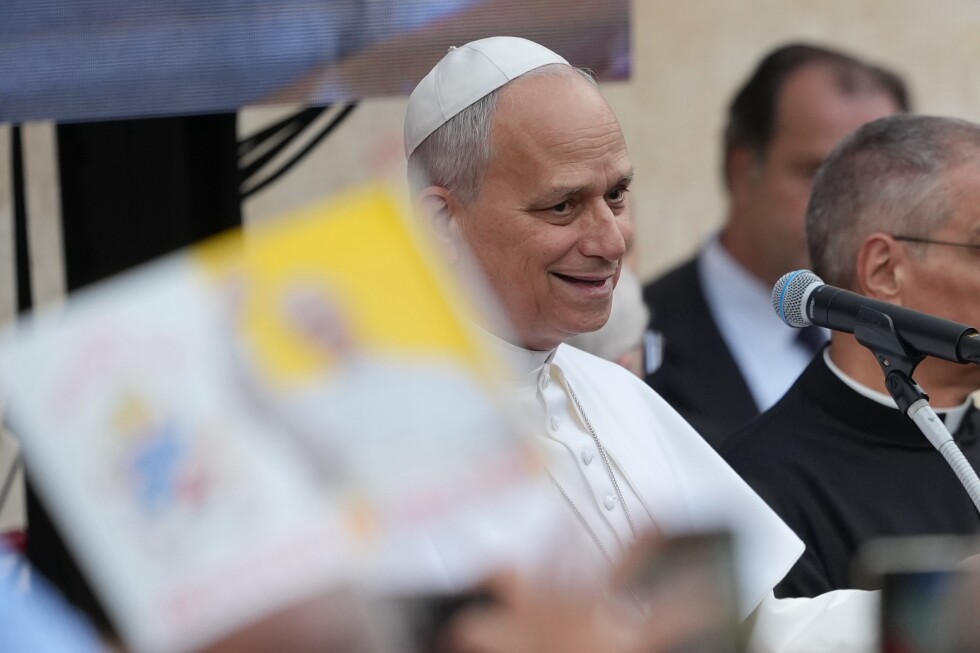
The Vatican has unveiled comprehensive details for Pope Leo XIV’s forthcoming diplomatic journey across four African nations, scheduled from April 13-23. This significant tour will emphasize Christian-Muslim reconciliation, offer solace to victims of violence, and engage with Catholic communities in countries with complex colonial histories.
The pontiff’s itinerary begins with a groundbreaking visit to Algeria, marking the first papal visit in the nation’s history. In Algiers, His Holiness will conduct high-level meetings with government officials, tour the renowned Great Mosque, and engage with local Catholic faithful. The Algerian leg continues in Annaba (ancient Hippo), the final resting place of St. Augustine, where Pope Leo will convene with Augustinian religious orders and celebrate Mass at the capital’s St. Augustine Basilica.
Cameroon represents the tour’s second stop, where the Pope will host a major ‘peace meeting’ in Bamenda on April 16. This northwestern region has suffered devastating violence since 2017, with English-speaking separatists clashing with government forces, resulting in over 6,000 fatalities and 600,000 displacements according to International Crisis Group data. The visit occurs amid political tensions following President Paul Biya’s controversial re-election, with some activists expressing concern about potential political instrumentalization of the papal visit.
Angola, a predominantly Christian former Portuguese colony, will welcome the Pope to its capital Luanda and the significant Marian shrine at Muxima. This 16th-century sanctuary, originally established by Portuguese colonizers, served as a baptismal site for enslaved Africans before their transatlantic passage, representing both deep religious significance and colonial legacy.
The final destination, Equatorial Guinea, maintains one of Africa’s highest Catholic populations at approximately 70%. Pope Leo will visit three dioceses, meet with prison inmates, and pray at a memorial for victims of the 2021 military barracks explosion that claimed over 100 lives. The nation’s political landscape remains dominated by President Teodoro Obiang Nguema Mbasogo, Africa’s longest-serving leader, who has maintained power since 1982 amid allegations of autocratic rule despite the country’s oil wealth and widespread poverty.