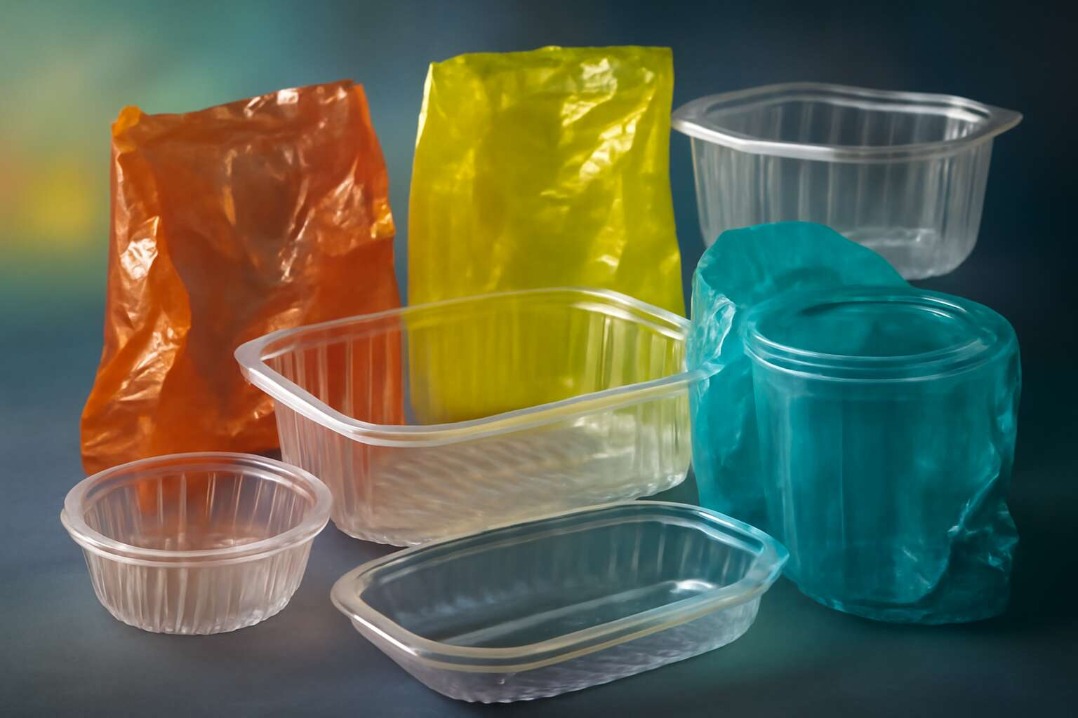
The ongoing Iran conflict has triggered an unexpected shake-up in Asia’s $200 billion packaging industry, disrupting critical plastic raw material supplies, sending polymer prices soaring to four-year highs, and accelerating a long-discussed shift toward eco-friendly paper-based alternatives that environmental campaigners have pushed for decades.
The disruption traces back to the conflict’s impact on Middle Eastern energy and petrochemical exports—supply chains that Asia, the world’s largest plastic consuming and producing region, is deeply dependent on for raw feedstock. With oil and petrochemical flows choked off, plastic input costs have skyrocketed, forcing businesses across multiple sectors to reevaluate their reliance on conventional single-use plastic packaging.
South Korean cosmetic packaging manufacturer Yonwoo, which has long offered a line of sustainable paper-based tubes and pouches, has emerged as an early beneficiary of the market shift. Senior manager Kim Min-sang, who works at parent company Kolmar Korea—a supplier to global beauty giant L’Oreal—told reporters that inquiries for the firm’s paper packaging options have tripled since the conflict escalated. Unlike traditional plastic packaging, Yonwoo’s paper tubes for products such as sunscreen and body lotion use just 20% of the plastic found in conventional alternatives. While initial demand for these options came almost exclusively from brands prioritizing sustainability goals, Kim says growing interest is now being driven entirely by plastic supply uncertainty, with further demand growth expected if supply chain disruptions drag on.
Across the region, the crisis is exposing just how deeply reliant Asian economies have become on plastic, even as the region grapples with a global plastic pollution crisis that it contributes to disproportionately. According to a 2025 study published in *Nature* by researchers from Tsinghua University, Asia accounts for more than one-third of all plastic waste that leaks into global ecosystems, driven by inadequate waste management infrastructure in many low-income Southeast Asian nations. Per capita, Japan ranks second only to the United States in plastic production and consumption, making the country particularly vulnerable to current supply disruptions.
Japanese retailers are already sounding alarm bells over impending shortages of core plastic products including food trays and shopping bags. Kensuke Takahashi, product manager at Marutake Supermarket located in Saitama, just outside Tokyo, says industry wholesalers have repeatedly warned of incoming supply gaps. “We now have to discuss how to sell our products if trays are no longer supplied at all,” Takahashi said. “I’m very worried. We really don’t know what will happen.” Major Japanese plastic manufacturers including Mitsubishi Chemical and Sanipak, which produce plastic bags and food cling wrap, have announced that they will hike prices for selected products by roughly 30% in the coming weeks to offset spiking raw material costs.
The disruption has already pushed some companies to make abrupt switches to alternative packaging. In Malaysia, leading dairy producer Farm Fresh has confirmed it has temporarily transitioned to paper-based milk cartons to avoid production halts. But for many small and medium-sized manufacturing firms, switching to alternatives is not a quick or simple option.
Gaone, a 20-year-old South Korean firm that produces plastic packaging for face masks, is already facing extended order delays. Sales team manager Han Kyung-hun says the company is now warning clients of order lead times stretching to eight weeks, and projects that the supply crunch will hit its annual revenue significantly. “I hope things return to normal as soon as possible,” Han said, noting that even if the Iran conflict ends immediately, full supply chain recovery could still take up to two months.
The current crisis comes as global progress on curbing plastic production remains stalled. Negotiations for a binding global treaty to address plastic pollution broke down last year, after the United States and major plastic-producing nations rejected a proposal led by the European Union to implement mandatory caps on new plastic production. While the current market-driven shift to paper alternatives has moved faster than years of policy negotiations, many industry analysts note that the transition is still largely a reactive short-term fix, rather than a permanent, structured shift toward sustainable packaging.