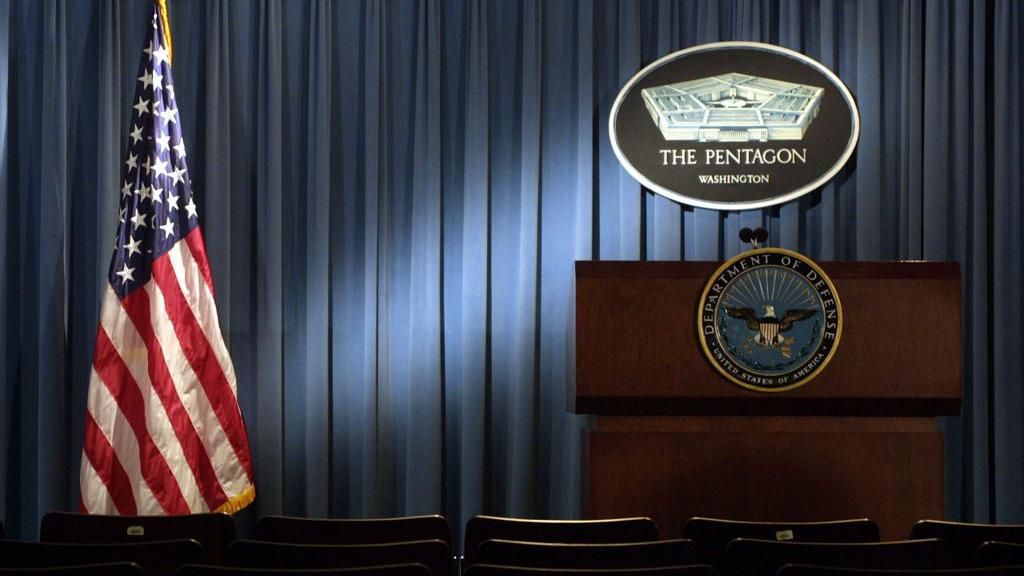
In a landmark ruling for press freedom, a U.S. federal court has invalidated key components of the Department of Defense’s controversial media access policy. District Judge Paul L. Friedman determined that the Pentagon’s regulations, enacted in October, infringed upon constitutional protections under the First and Fifth Amendments.
The legal challenge was initiated by The New York Times after the department implemented stringent controls limiting journalists’ ability to gather and publish information from defense facilities. The policy mandated that reporters sign an agreement requiring pre-approval for all information releases, including unclassified material. Major news organizations including CBS News, ABC News, NBC News, CNN, Fox News, and BBC News refused to comply and consequently lost their access privileges.
Judge Friedman’s decision specifically targeted provisions that allowed the Pentagon to bar journalists for ‘soliciting’ sensitive information—a fundamental aspect of reporting. ‘To state the obvious, obtaining and attempting to obtain information is what journalists do,’ Friedman noted in his opinion, emphasizing that routine journalistic practices could be misinterpreted as security risks under the vague policy.
The court also rejected the Defense Department’s characterization of press access as a ‘privilege’ rather than a right, asserting that the Pentagon cannot deny access ‘unreasonably or on the basis of viewpoint.’ However, the ruling maintained certain practical restrictions, including the requirement for escorted access to secure areas of the building.
The Pentagon expressed disagreement with the decision, with spokesman Sean Parnell announcing plans for an immediate appeal. The department had originally defended the policy as necessary for national security protection and preventing unauthorized leaks of sensitive information.
The Pentagon Press Association celebrated the ruling, calling it a victory for constitutional principles and requesting the immediate reinstatement of credentials for all affected members. The case highlights ongoing tensions between government security concerns and media freedom in the United States.