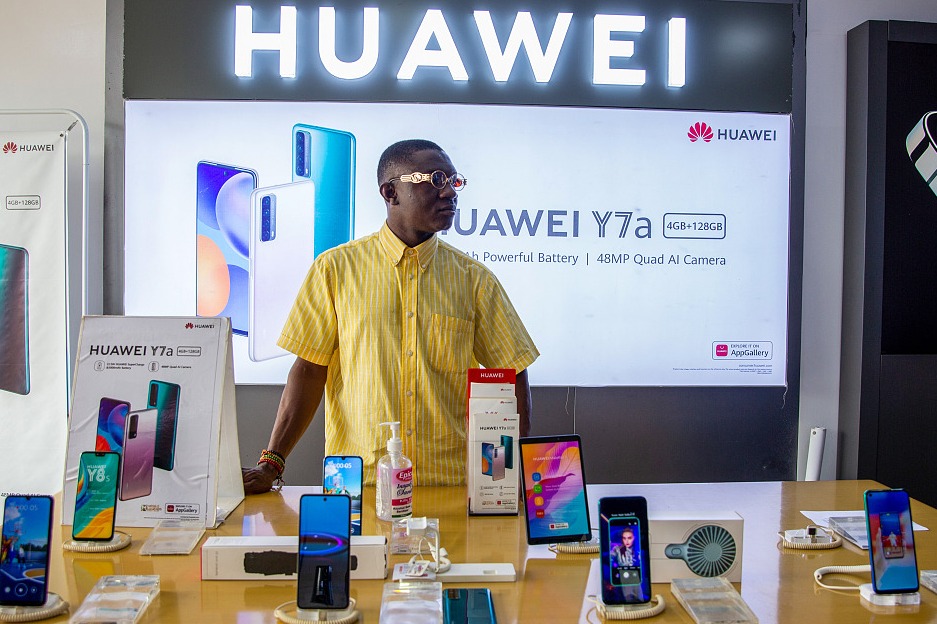
As Africa strives to overcome its digital divide, policymakers and technology leaders have highlighted the pivotal role of deepening technological cooperation with China in accelerating the continent’s digital transformation. From affordable smartphones to expanding broadband networks and skills development, this partnership is proving instrumental in bridging the connectivity gap and fostering a more inclusive digital future. According to the World Bank, Africa’s digital economy is projected to reach $712 billion by 2050, underscoring the significance of these collaborations. Aliyu Yusuf Aboki, Executive Secretary of the West Africa Telecommunications Regulators Assembly, emphasized the need for substantial investment to drive infrastructure and reduce device costs to the $20-$30 range, a tipping point for widespread adoption. He noted that Chinese companies are uniquely positioned to help achieve this goal. Despite rising mobile penetration, millions of Africans remain offline due to high device costs and limited rural connectivity. Collaborations with Chinese manufacturers and telecom giants are addressing these challenges by offering affordable smartphones and extending broadband networks into remote areas. In Uganda, partnerships with Chinese firms are enhancing access to digital services and strengthening the country’s ICT backbone. Godfrey Baluku Kabyanga, Uganda’s Minister of State for ICT and National Guidance, praised China’s willingness to share technology, citing Huawei’s role in expanding Uganda’s national backbone fiber network as a prime example of practical cooperation. Analysts have lauded this pragmatic model, which avoids burdensome political or financial preconditions, making China an attractive partner for African nations pursuing rapid digital transformation. Through companies like Huawei, ZTE, and Transsion, Chinese investment has contributed to the development of data centers, 5G infrastructure, e-government systems, and smartphone manufacturing across the continent. Bashir Gwandu, Chairman of the Commonwealth ITU Group, emphasized Africa’s openness to collaboration, welcoming any company that can enhance economic well-being and bridge the technology gap. As Africa positions itself for a more connected future, leaders anticipate that these partnerships will extend beyond infrastructure to encompass skills development, innovation hubs, and green digital solutions. ‘Africa’s digital transformation is not just about connectivity; it’s about creating opportunities for every citizen to participate in the global digital economy — and China’s cooperation is helping make that possible,’ Aboki concluded.